Tag: science communication
-
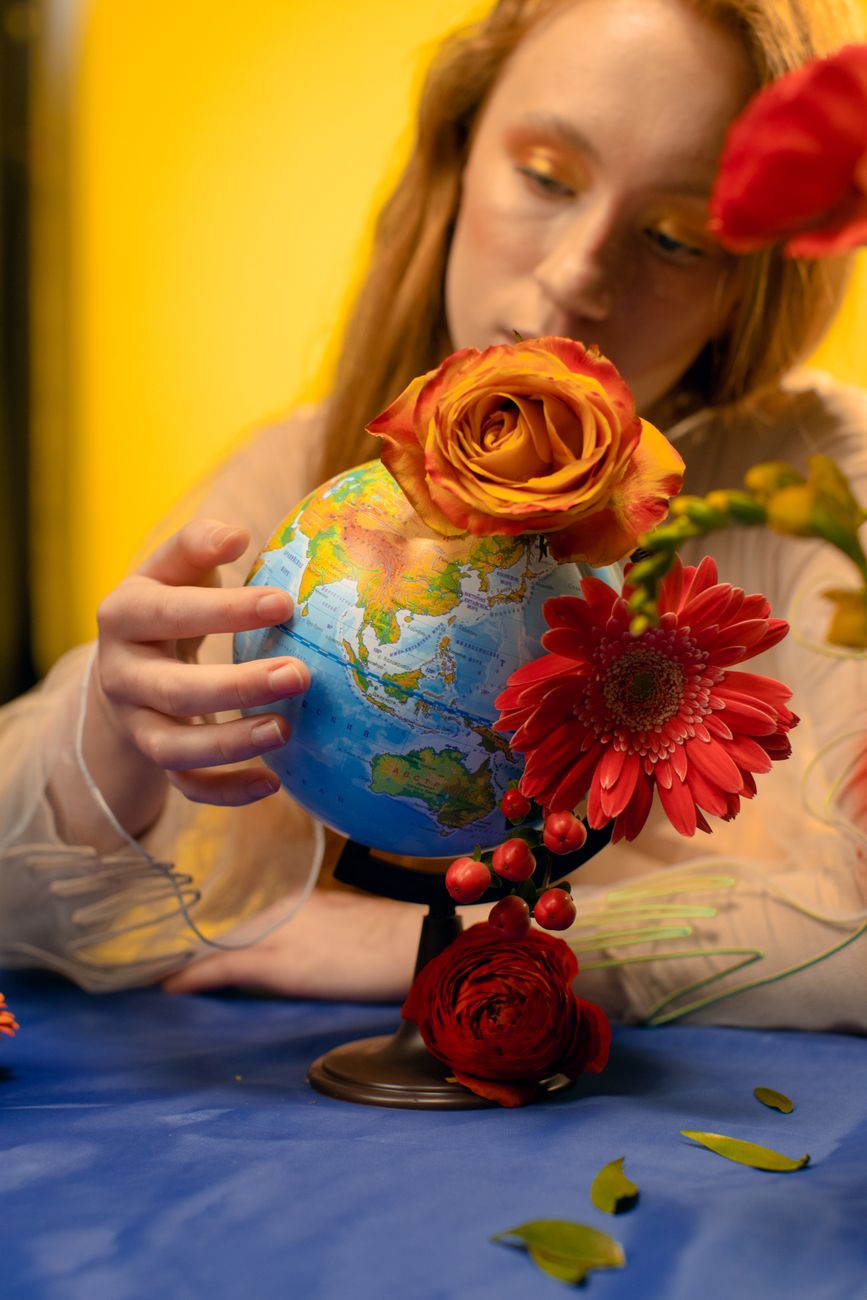
Flowers: Planet- and people-producers
David George Haskell’s “How Flowers Made Our World” explores the vital role of flowers and flowering plants in shaping Earth’s ecosystems and human connections. Comprising scientific insights, Haskell’s engaging narrative highlights plant biology, ecology, and the historical interrelation between flora and humanity, making an overwhelming case for their importance in,…
-
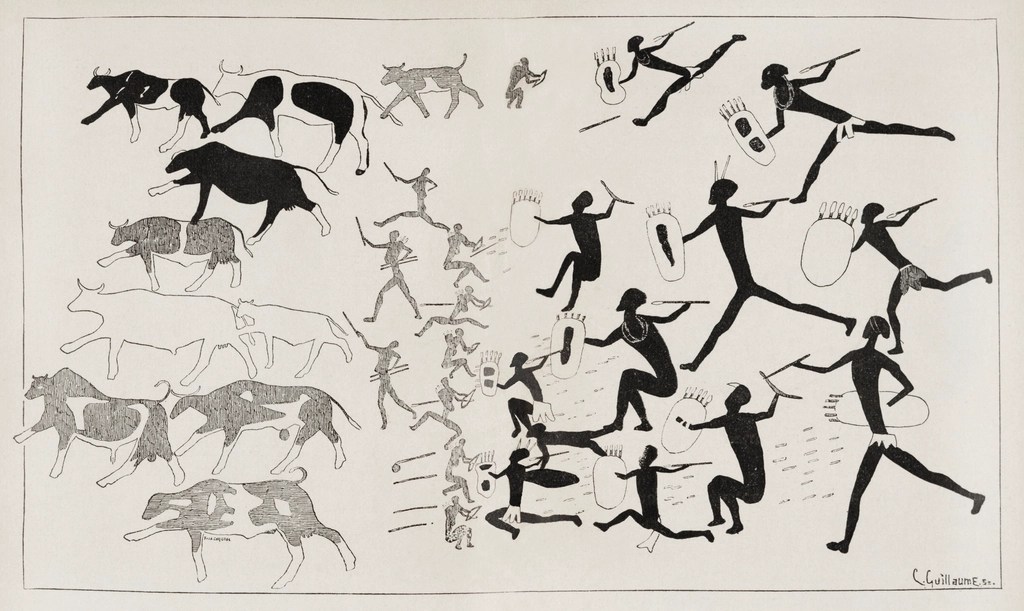
The original illuminati?*
This post’s main focus is the study by Arobba et al. that investigates how five hunter-gatherers in Italy used small pine twigs for lighting caves over 14,000 years ago. This research combines analysis of ancient remnants and experimental archaeology, showing that the twigs provided sufficient light for navigation, enhancing our…
-
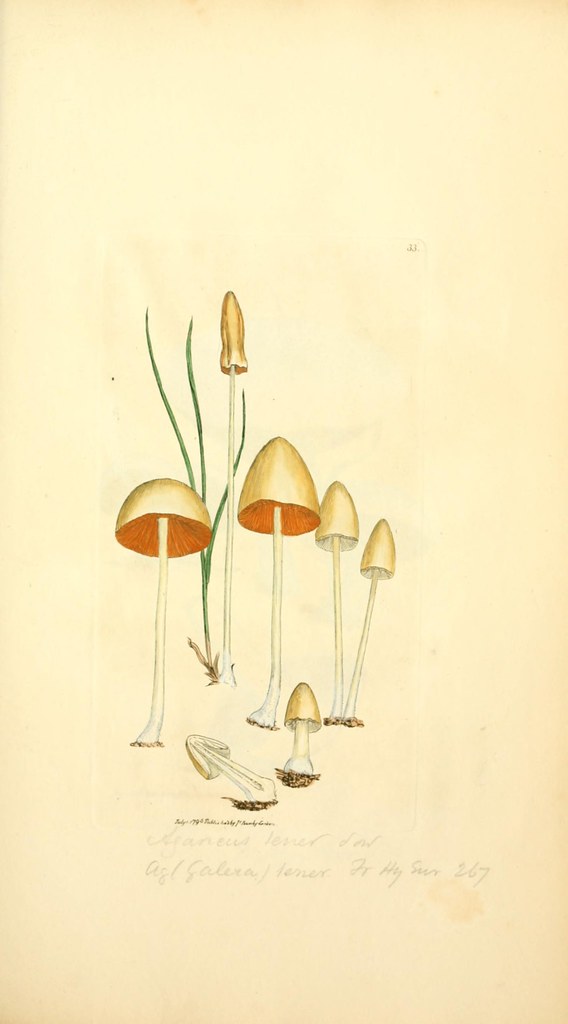
Money, the mushroom fun-guy…
Nicholas Money’s “Fungi and human life” explores the profound connections between fungi and humanity, revealing their essential roles in health, nutrition, and the ecosystem. The book combines engaging storytelling with scientific insights, emphasising the significant, yet often overlooked, impact of fungi on humanity and highlighting their untapped health-helping potential.
-

Chapter 10 Spices, slavery, smoking, Stalinism, and sugar: A darker side to plants and people
The relationship between humans and plants, particularly regarding cash crops like sugarcane, tobacco, and cotton, reveals a complex history of exploitation and suffering. The industrial-scale cultivation of these plants has ties to slavery and has contributed to modern health issues, while simultaneously shaping ideologies such as communism and capitalism.
-
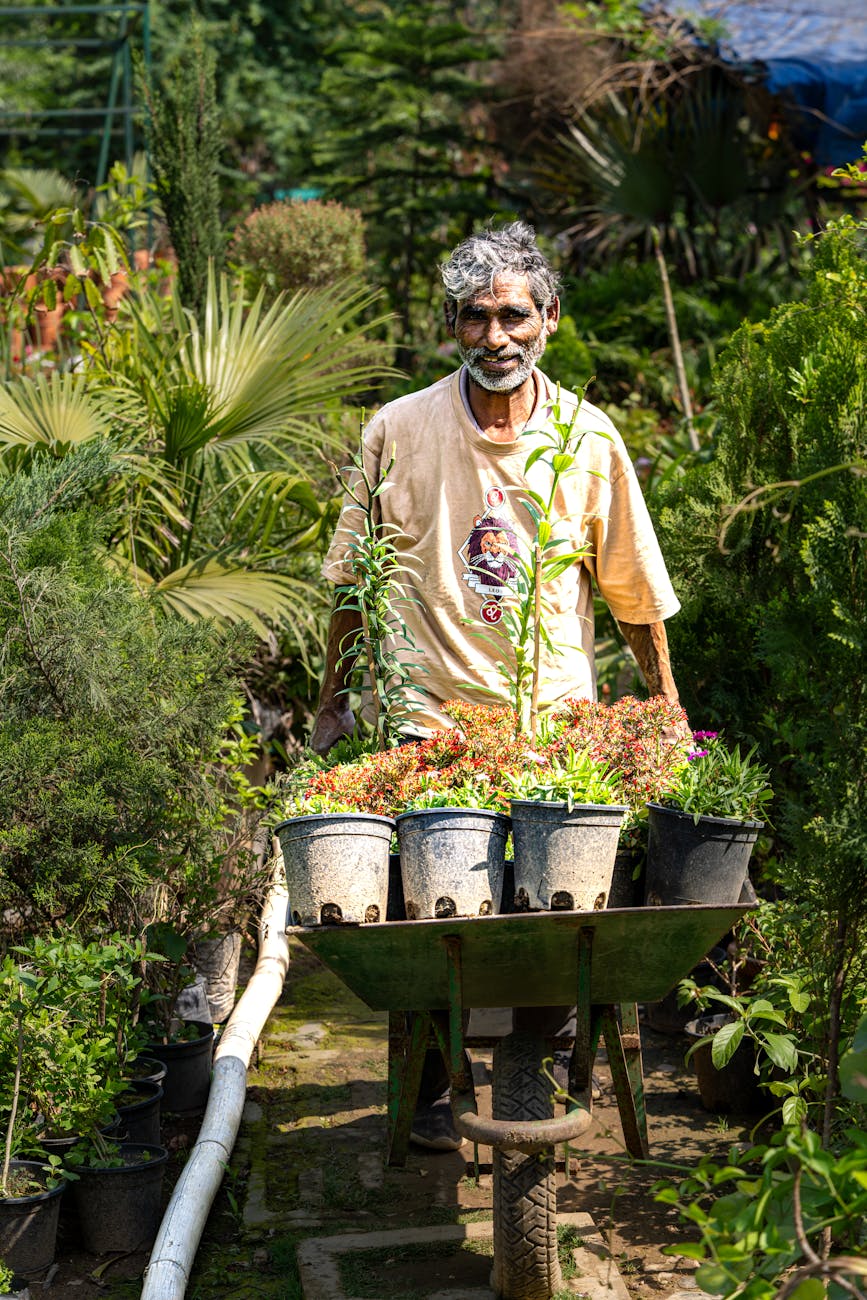
Chapter 8 Health-giving plants
This post explores the multifaceted roles of plants beyond food, emphasising their contributions to leisure activities, health, and well-being. It highlights the importance of grasses in sports, the psychological benefits of green spaces, and the historical significance of gardens. Ultimately, it underscores how plants enhance the lives of people.
-
Chapter 7b Plants and the artistic imperative
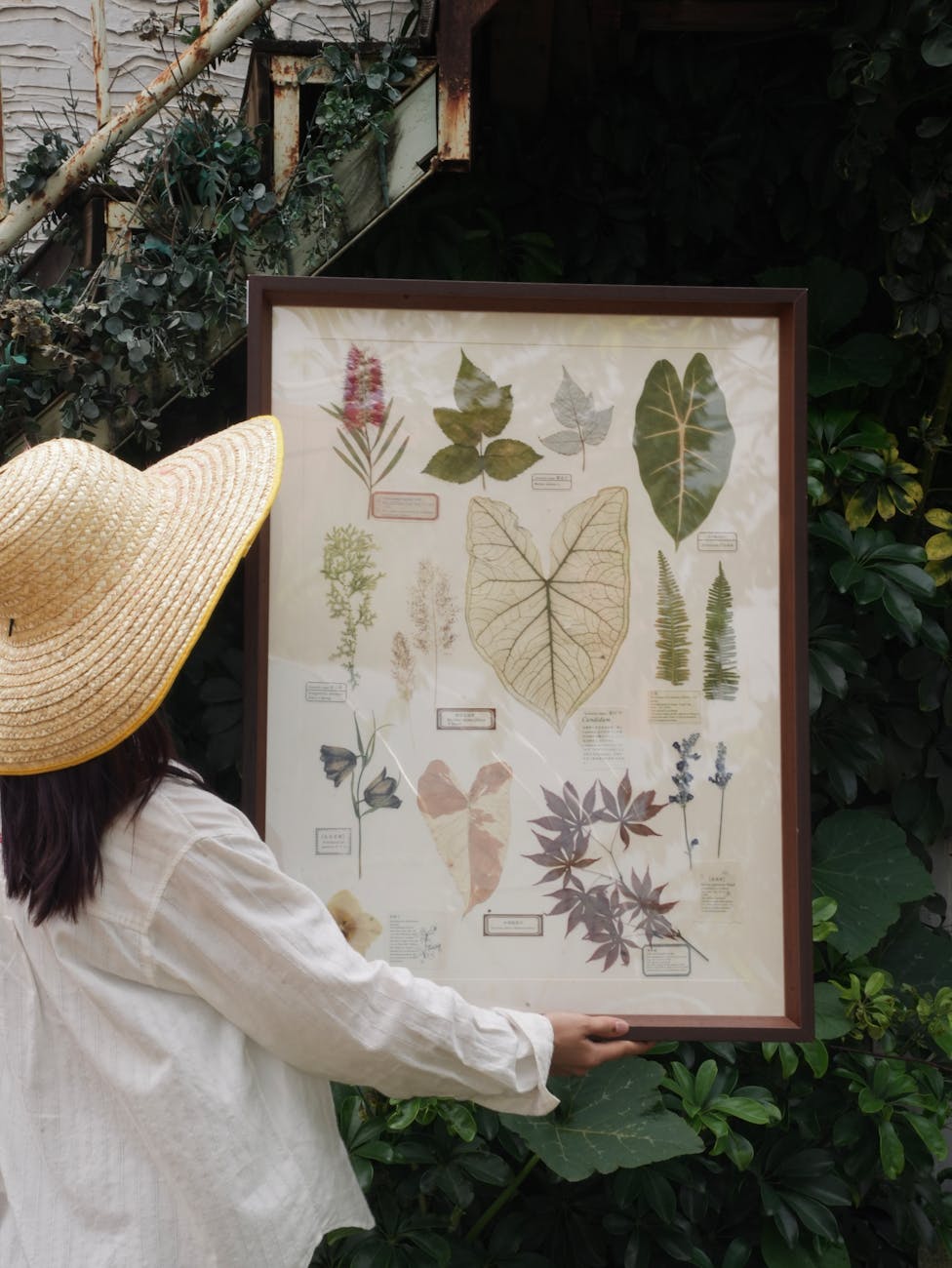
The post explores the multifaceted cultural significance of plants in art, writing, and plant names. It highlights examples like Cheilanthes lindheimeri’s reclassification to Gaga, the presence of plants in poetry from Ovid to Darwin (Erasmus), and their portrayal in art ranging from van Gogh to botanical illustrations. Plants have influenced…
-
Chapter 7a Plants and the agricultural imperative
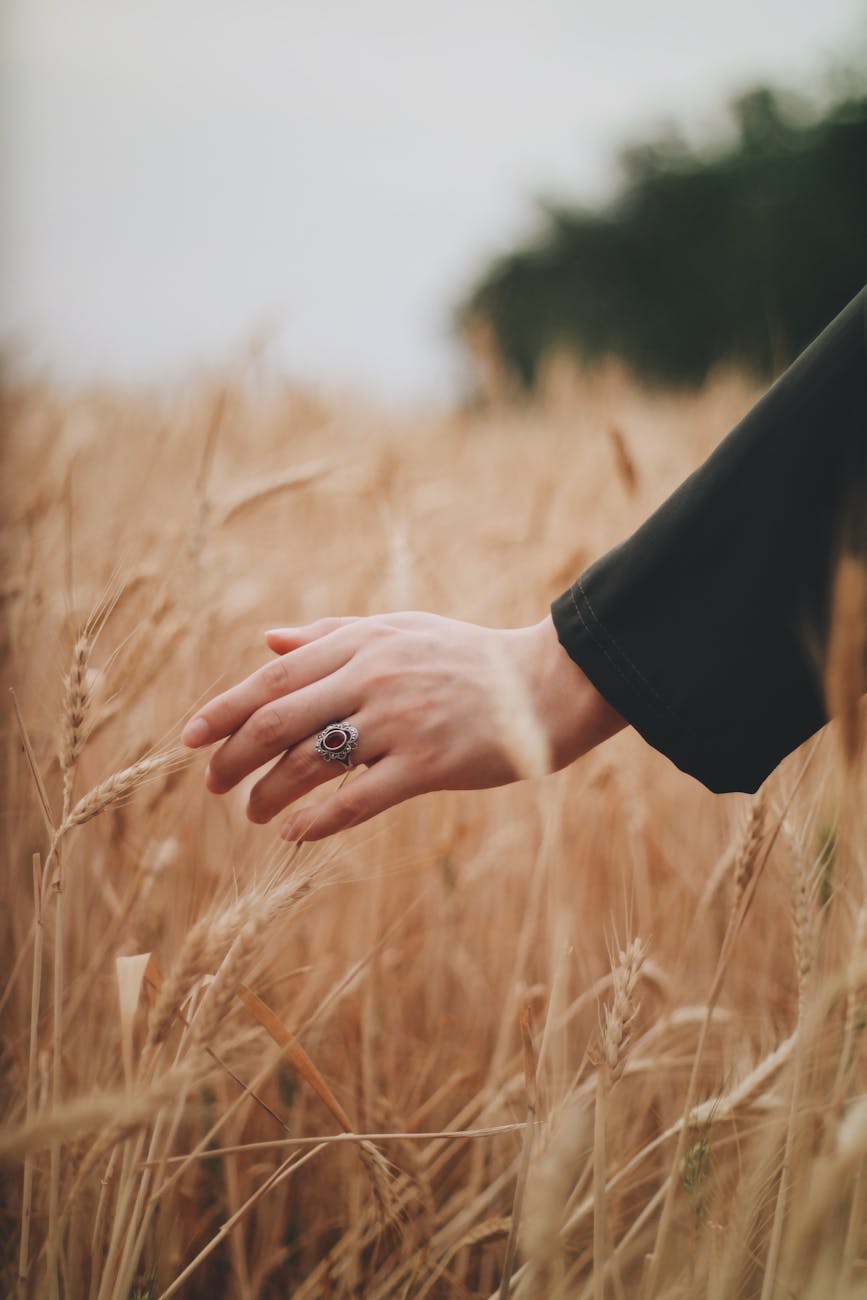
Rice, a vital food staple, supports half of the global population and illustrates the integral role of agriculture in human survival and civilisation. While agriculture fosters artistic development, reliance on a few crops raises concerns about food security. Challenges include disease risks and environmental sustainability, emphasising the need for diverse…
-

Chapter 6 The intelligent plant(?)
This chapter explores the controversial concept of plant intelligence, examining how plants utilise other organisms for vital processes like pollination. It discusses debates surrounding definitions of intelligence and the potential for plants to influence human behaviour. ‘Plant neurobiology’ is discussed, in the hope of prompting reevaluation of plant capabilities and…
-

Chapter 5 The sensitive plant
This chapter examines how plants possess sensory capabilities akin to human senses, exploring their ability to perceive touch, sight, smell, sound, and taste. Through mechanisms like thigmomorphogenesis, phototropism, and chemical signaling, plants adeptly interact with their environment, showcasing their sensitivity and survival strategies despite their immobile nature.
-
Chapter 3 The economical and efficient design of plants
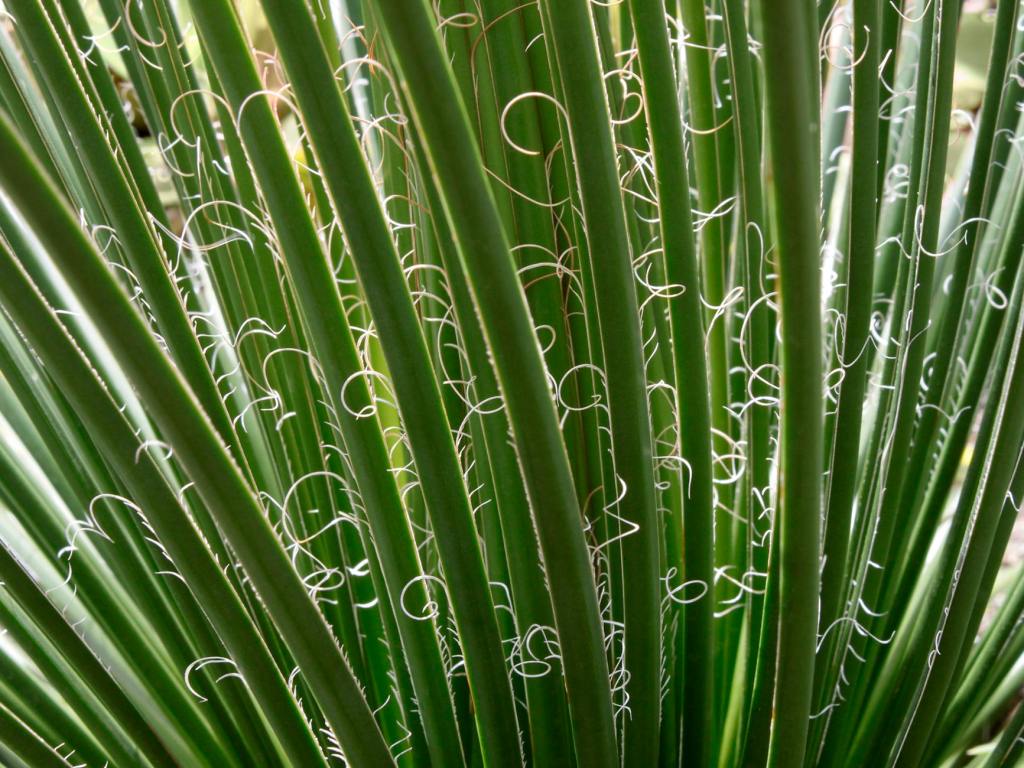
Taxodium, a remarkable gymnosperm, exemplifies nature’s design with its three essential tissue systems—dermal, vascular, and ground. These systems enable plants to achieve tremendous diversity and size while fulfilling human material needs, such as fibres for textiles. Plant structures also inspire innovative solutions in human engineering through biomimetics.

