Tag: science communication
-

A timely appreciation of plants
Christopher Woods’ book, “In Botanical Time,” explores the astonishing lifespans of the world’s oldest plants, illustrating their biology and ecology across 230 pages. Although well-written and richly illustrated, the book lacks source citations, which detracts from its scientific credibility. Nonetheless, it captivates readers with tales of remarkable plant longevity.
-

Lichens and humans cement a friendship
The post discusses a study by Nisha Rokaya et al. exploring a synthetic lichen system to address concrete cracking. This approach combines fungi and algae/cyanobacteria to create a self-healing solution by producing calcium carbonate for repair. The research shows potential for sustainable construction but requires further testing for effectiveness in…
-
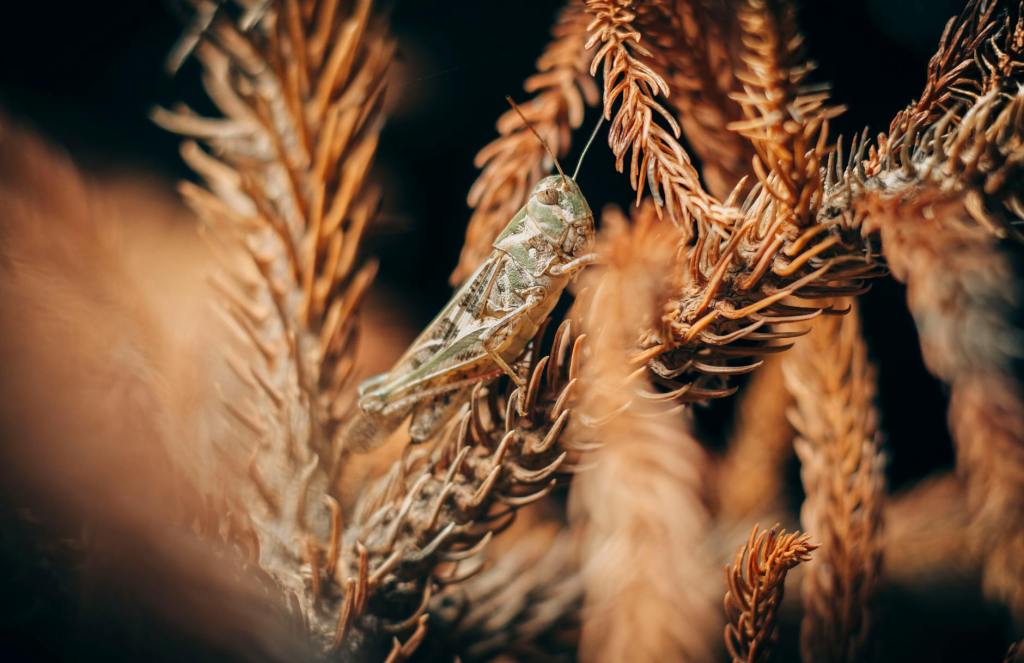
Locusts are not fish (please, bear with me…)
Research by Touré et al. (2026) indicates that increasing millet’s protein content through nitrogen fertiliser application reduces locust damage…
-
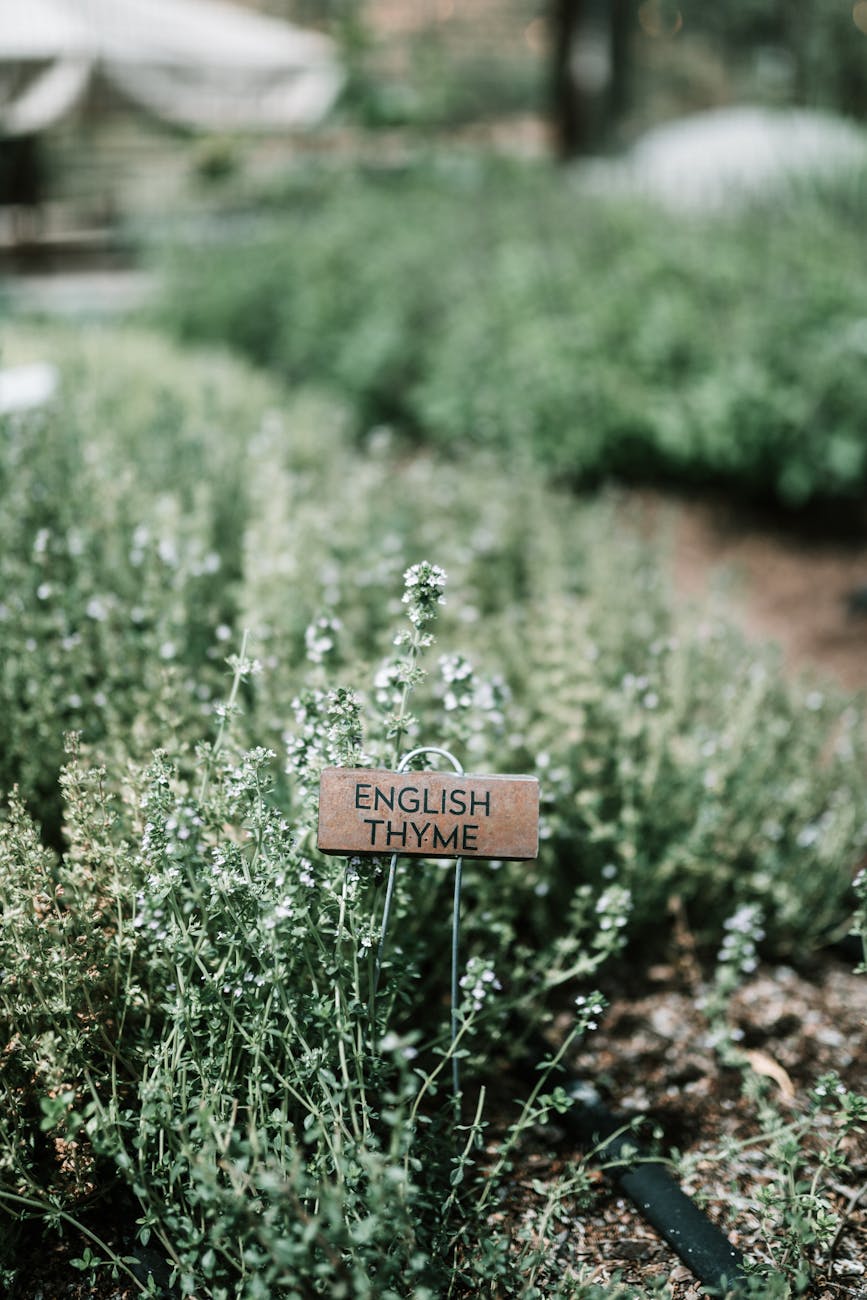
Masking the medicinally malodorous…
The post discusses an Ancient Roman glass unguentarium that contained human faeces, suggesting medicinal use in antiquity. It highlights the incorporation of aromatic herbal compounds to mask the odour while aligning with classical medicinal practices noted by prominent ancient figures. The exact medicinal application remains speculative.
-
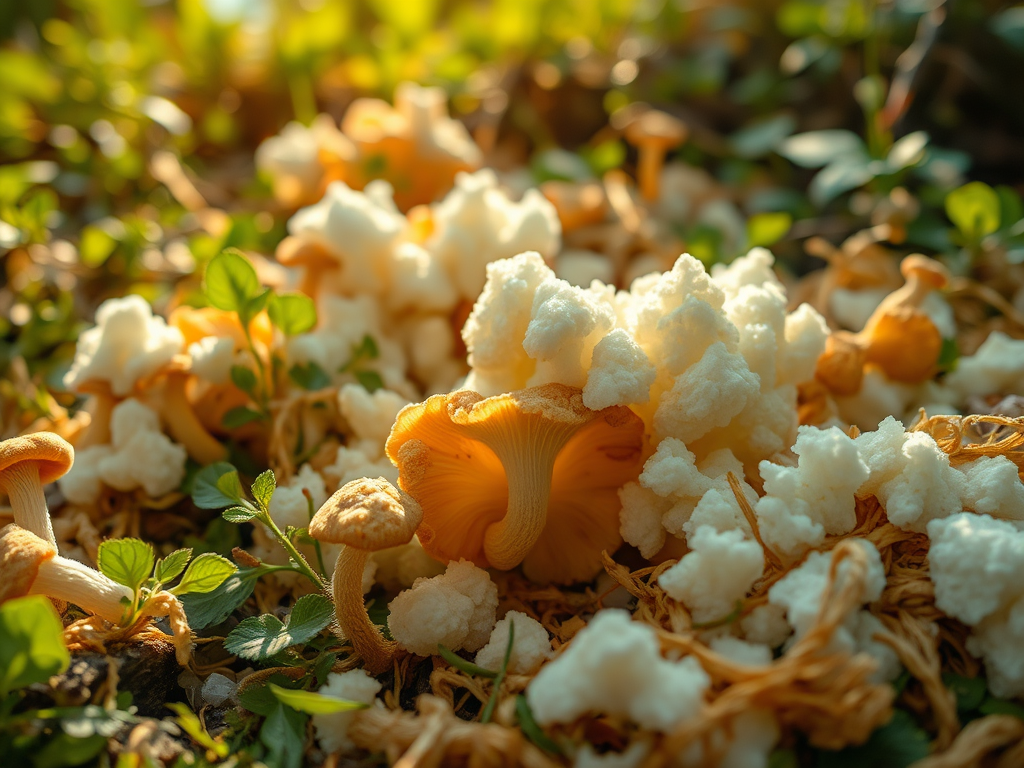
Mycology manages mattress mountain…
Every day, over 50,000 mattresses are discarded in the US, contributing significantly to landfill waste as they take up to 120 years to decompose. Innovative research explores use of fungi to convert mattress materials into sustainable insulation, highlighting potential benefits for recycling and environmental sustainability in the mattress industry.
-

Hedging your climate change bets (or, betting your climate-change hedge..?)
The “Superbloom at Carrizo Plain National Monument, 2017” highlights the transient beauty of desert blooms. However, a re-vegetation initiative in the Taklamakan Desert has shown promise as a long-term solution to combat desertification and mitigate climate change by creating a carbon sink. The project emphasises careful management due to potential…
-

Wood Age technology unearthed in southern Greece
The discovery at Marathousa 1 in Greece by Annemieke Milks et al. reveals evidence of the earliest known use of wooden handheld tools by hominins, dated to 430,000 years ago. Researchers analysed two distinct wooden artefacts suggesting functions like digging and possibly processing animal carcasses. The findings highlight the ingenuity…
-

Getting to the bottom of elite coffees
Kopi luwak is a speciality coffee with a unique flacvour, made from ‘beans’ ingested and excreted by the Asian palm civet. Research by Mitra et al. (2025) suggests significant chemical differences between civet and traditional coffee, largely influenced by microbial fermentation in the civet’s gut. Understanding these differences could lead…
-
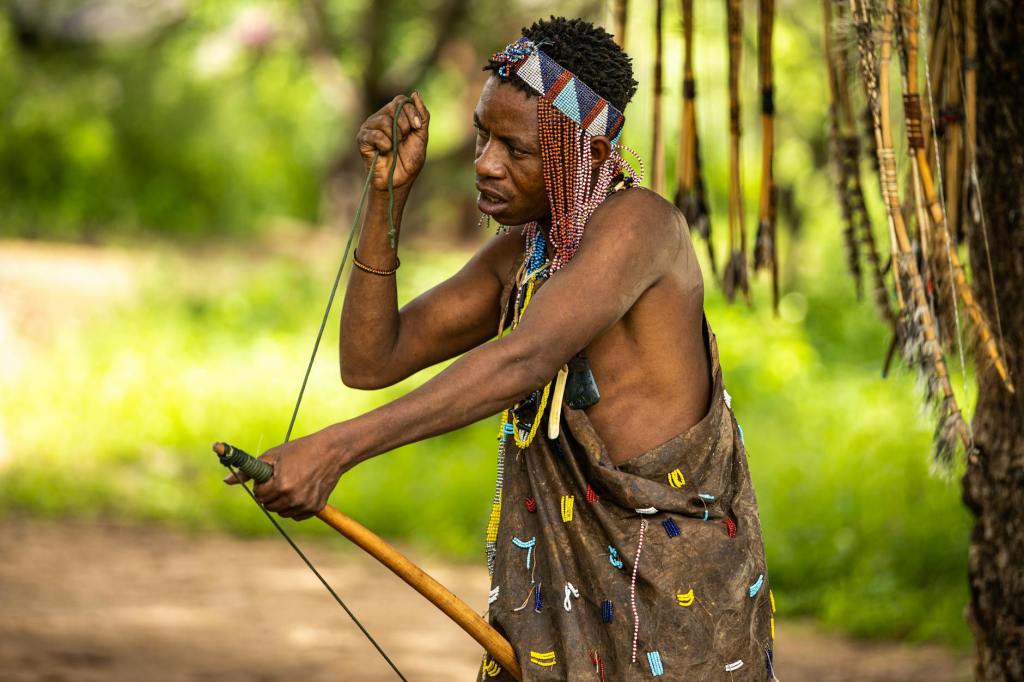
Plant-based tips for hunting
Sven Isaksson et al. have identified toxic alkaloids on stone arrowheads from a rock shelter in Kwa-Zulu Natal. The most likely source of the alkaloids is the ‘poison bulb’, Boophone disticha. Dated to 60,000 years ago, this is the oldest-known evidence of hunting with poisoned arrows in the world.
-

The essentials of plant biology
Essential Plant Biology by Alison Smith et al. offers a comprehensive overview of modern plant biology, emphasizing molecular genetics and biochemistry, crucial for understanding plant function today. Divided into six parts, the book covers topics from plant evolution to environmental interactions, targeting undergraduates with a foundation in molecular biology.

