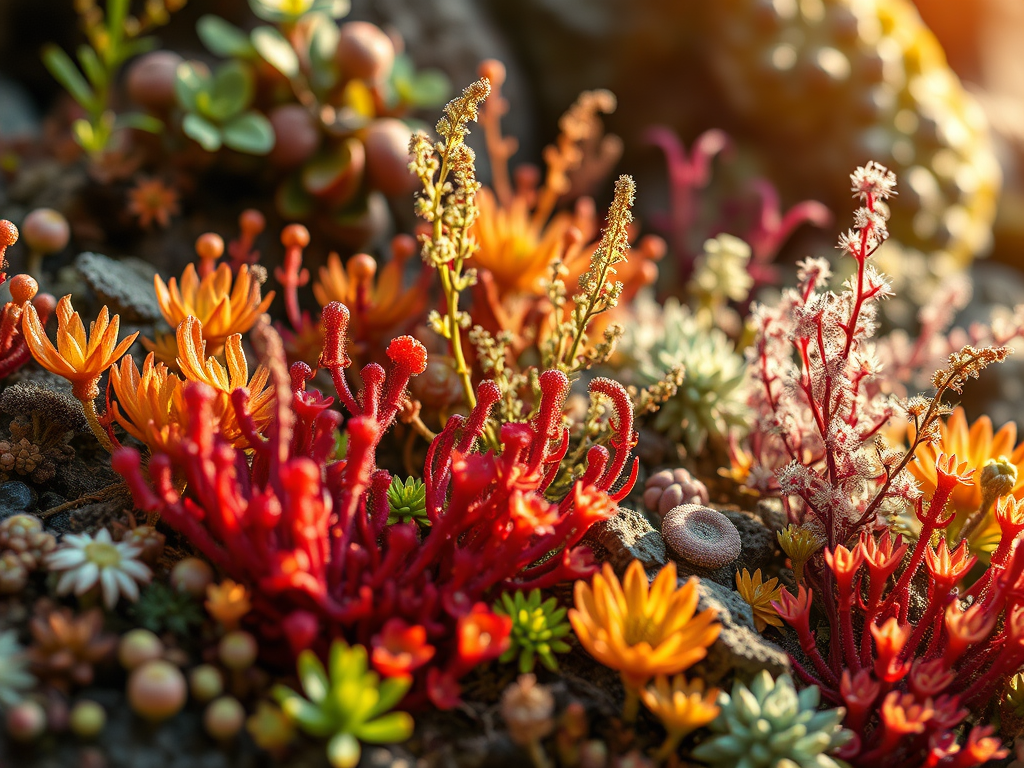
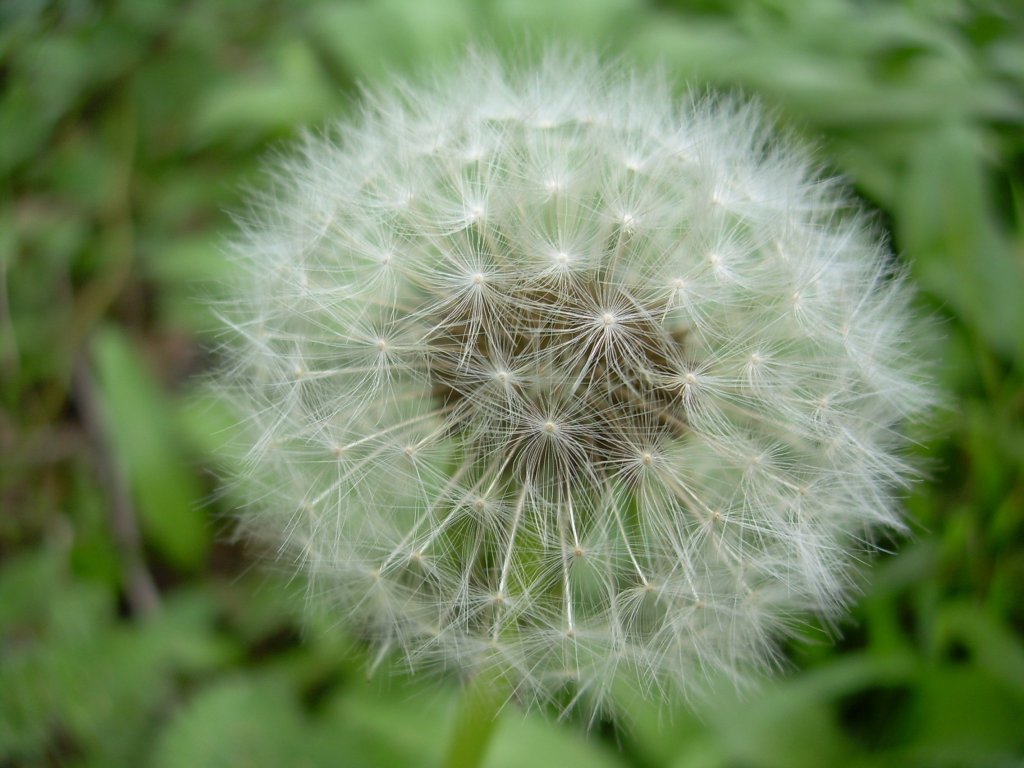
With upwards of approx. 369,400 species, angiosperms are the great success story of the Plant Kingdom. This is due in no small measure to their seed habit, exemplified here in the seed head of Taraxacum sp. (dandelion).
Plants: Redefined and Reconsidered…
The numerical inspiration for this chapter comes from challenging the widespread notion there is such a thing as a generic ‘plant’. There isn’t; there’s no such thing as ‘a typical plant’. In doing so it reveals the tremendous diversity of form, etc. amongst the members of the Plant Kingdom. This it does via a tour of the 12 groups of so-called land plants with named examples and indications of their importance to humanity and the planet more generally. The concept of a plant, and an enhanced appreciation of plant diversity, is further increased by inclusion of the green and red algae. And this project’s notion of a ‘plant’ is extended to other organisms that release oxygen via photosynthesis such as diatoms (well, all algae actually…) and cyanobacteria. This chapter also makes the point that plants rarely exist on their own, and are often more resilient and better able to withstand the environment when in association with other organisms in cross-Kingdom partnerships (e.g., lichens, legume’s nodules of nitrogen-fixing bacteria). Arguably, none of these mutually-dependent relationships is more important than mycorrhiza, which root-based, intimate plant-fungus association may well have been instrumental in facilitating the development of our land flora in the first place. And once terrestrial plants had become established, much of the landscape we have on Earth today is due in no small way to plants – in their more generic guise as vegetation – and, importantly, to humanity’s relationship with it.
Where do plants fit into the grand scheme of living things?
Before we talk about plants specifically, it is helpful to give some though to living things more generally and how the range of lifeforms on our planet fit together.
Classification of Earth’s Biodiversity
Although still in a state of considerable flux and lacking unanimity, a partial current consensus envisages that all living things can be classified in three Domains, namely the Archaea (Thomas Niederberger), Eubacteria, and Eukarota (Eugene Koonin, 2010). The smallest unit from which organisms in those three categories is constructed is known as a cell. The complete organism may be just a single cell, or a larger entity consisting of more than one cell. Cell structure of both the Archaea and Eubacteria is prokaryotic – i.e., one that lacks a membrane-bound nucleus and membrane-bound organelles, and the organisms within these groups are typically unicellular, consisting of a single cell. Although prokaryotes have DNA, ribosomes, and can have quite appreciable development of internal membranes – e.g., light-absorbing structures of cyanobacteria – this level of cell organisation contrasts markedly with that of eukaryotes, and which typifies all of the organisms in the Domain Eukaryota.
The Eukaryota contains Kingdoms such as Animalia, and Fungi (Vernon Ahmadjian). It also includes the Kingdom Protista, which contains unicellular animal-like organisms – protozoa – such as amoeba (Tyler Biscontini), and both unicellular (e.g., diatoms) and multicellular (e.g., seaweed) algae. Or, to put it another way – and one which underlines the rather hotchpotch, mixed-up nature of this grouping – protista are “a group of all the eukaryotes that are not fungi, animals, or plants” (or, “Eukaryotic organisms that did not fit the criteria for the kingdoms Animalia, Fungi, or Plantae” (Samantha Fowler et al.).
The Eukaryota also includes the Kingdom Plantae (Hans Lambers et al.). Whilst we must acknowledge that no classification scheme of living things is perfect (Emma Moulton & Emily Zhang), it serves a purpose, which is to allow us humans to get some sort of handle on the biodiversity that exists on the planet. But it is not straightforward, especially when one tries to pin down what is meant by a plant. A perfectly sensible and straightforward question you might think. But, no…
What is a plant?
Most textbooks are perfectly happy to talk of the Kingdom Plantae (e.g., Ray Evert & Susan Eichhorn, 2013), and its 12 extant [i.e., living today, rather than extinct] Divisions (or Phyla)[Ed. – these rather technical terms refer to distinct groupings of plants united by shared characteristics], the so-called ‘land plants’. As an assortment of organisms, ‘Plant kingdom’ is nice and tidy, and fits in with a relatively narrow definition of land plants, the so-called Embryophytes.
However, recognising their evolutionary heritage – as all good classification schemes should – the concept of a plant ought to be widened to Green Plants (a category also known as the Viridiplantae), which includes land plants [i.e., those within the Kingdom Plantae] AND all organisms commonly known as green algae. This has the merit of acknowledging the near-consensual view that land plants were evolutionarily derived from green algal progenitors (e.g., Louise Lewis & Richard McCourt, 2004; Ruth Timme & Charles Delwiche, 2010; Sabina Wodniok et al., 2011).
But, that is not the end of the story. A further broadening is proposed with the group Archaeplastida, which consists of glaucophytes [“a small group of microscopic algae found in freshwater environments” – Patrick Keeling, 2004], red algae, green algae and land plants (Sina Adl et al., 2012). And that is almost the sense in which ‘plants’ are referred to in this project. ‘Almost’ , because…
… this review will occasionally broaden even further that already broadened definition of ‘plants’ to include other protistan photosynthesisers such as diatoms, because of their fundamental plant-like, photosynthetic role as primary producers (Christopher Gough, 2011) [and, whilst we’re at it, all algae will be embraced in the spirit iof ‘plantness’]. I will also stretch credibility – but only a little – and include the photosynthetic cyanobacteria occasionally as honorary plants. This can be justified on historical grounds – because these prokaryotes were for many years counted amongst the algae (and therefore as protists) as ‘blue-green algae’ (Sergei Markov; Corie Richter) and legitimately studied by botanists not bacteriologists. Whilst that may just look like somebody playing with words, it is more defensible on the grounds that the chloroplasts within the cells of plants are considered to have been ultimately derived from free-living cyanobacteria (Sven Gould et al., 2008).
[Ed. – essentially, what Mr Cuttings has done here is to treat as plants all of the photosynthetic organisms whose names are governed by the International Code of Nomenclature for algae, fungi, and plants, whose current – 2025 – version is known as the Madrid Code]
So, what is a plant in the context of this review?
By way of summary, ‘plants’ as used in this project include land plants (members of the traditional Plant Kingdom), photosynthetic protists (algae and seaweeds), and cyanobacteria. However, there is a bias towards angiosperms – flowering plants – in view of their economic importance to Mankind [Ed. – this capitalised term – along with Man – is used in this project as a shorthand for humans and humanity generally; it is not intended – and should not be inferred – to only include the male of our species – ‘man’ – to the exclusion of the female]
A brief survey of Kingdom Plantae
Having set the scene with the foregoing comments, it is appropriate here to provide a short summary of the 12 major groupings (Phil Ganter) within the traditional Plant Kingdom, the land plants (also known as the embryophytes), which forms the main group of interest for much of this review.
Largely reflecting the perceived stages in evolutionary advancement within the Kingdom Plantae, we first have the small, anatomically rather simple, nonvascular, spore-reproducers. Collectively known as the bryophytes (Wilfred Borden Schofield), this assemblage consists of three distinct groups, mosses, liverworts, and hornworts.
Next we have the larger, vascularised, but still seedless, groups, the lycopods (or lycopsids) (Ernest M Gifford), whisk ferns (George Yatskievych), horsetails, and true ferns (John Merle Coulter & Gilbert Van Ingen; Ernest M Gifford) [Ed. – in more modern – or, at least, different – schemes, whisk ferns, horsetails and true ferns are categorised as one fern grouping (Samantha Fowler et al.), which reduces my list of 12 to just 10 major groupings within the Plant Kingdom. But, since our understanding of how these organisms should be categorised is in a state of considerable flux and debate, as long as one’s terms are defined, Mr P Cuttings is happy to stick with his chosen 12…].
Then there is a major jump in anatomical complexity to the highly vascularised, frequently extremely large, naked-seed-reproducing quartet known as gymnosperms. Gymnosperms is a collective term that covers four separate and distinct groups, the conifers (James Emory Eckenwalder), ginkgoes (Ernest M Gifford), cycads (Knut J Norstog), and gnetophytes. Finally, we have the enclosed-seed-bearing, highly vascular, and extremely diverse flowering plants, the angiosperms.
[Ed. – although sub-dividing the Plant Kingdom in this way is relatively straightforward, in practice it is bedevilled with a multiplicity of names, some for the same group of plants, others for different ways of categorising the various groupings. We’ve already had an example of this with the Land Plants being known alternatively as the Embryophytes. Another example is the flowering plants, which are also known as angiosperms (Dennis William Stevenson), and as Magnoliophyta, and Anthophyta, depending on which source you consult. Trying to keep track of it all probably requires reference to a diagram or spreadsheet, or just a very good memory. Whilst Mr Cuttings is trying to minimise the multiplicity of names within this project, it would be remiss of him not to alert readers to the existence of these alternatives…]
Accompanying their anatomical and morphological diversity, each group has its own role in a wider ecological context or human exploitation capacity [Ed. – for avoidance of confusion or doubt, morphology refers to the external or surface features or outward appearance of a plant, e.g., the surface of the bark, size and shape of flowers and leaves; anatomy is concerned with internal structure, e.g., the cells that comprise the tissues of which the plant is constructed, the arrangement of veins in a leaf, or the fine-detailed ultrastructure of chloroplasts or mitochondria].
For example the moss Sphagnum is a major component of peat, which has considerable economic value as compost in horticulture (Wilfred Borden Schofield and as a carbon-rich fuel. However, over-exploitation of this material has resulted in habitat loss and concerns over associated ecological deterioration that might ensue, in places such as Ireland. As important contributors to ecological succession (John N Thompson) [the progressive changes in vegetation of a place over time], bryophytes are important in initiating soil formation on barren terrain, in maintaining soil moisture, and in recycling nutrients in forest vegetation (Wilfred Borden Schofield).
Whilst nowadays they are comparatively small herbaceous plants, historically the lycophytes were much more substantial and the fossilised remains of tree-like extinct members of this group, such as Lepidodendron (Nan Crystal Arens) – along with ferns (Otto C Kopp), fern-allies, and cycads – form the coal beds of the Carboniferous Period (Walter L Manger). Although not of great economic importance in themselves, aquatic ferns such as Azolla increase productivity of rice paddies because they harbour the nitrogen (N)-fixing cyanobacterium Anabaena azollae (George Yatskievych). On the down side, presence of the fern bracken (Pteridium aquilinum) often spoils the grazing value of various lands, and is considered a noxious weed in many countries (George Yatskievych). And water ferns (genus Ceratopteris), which have relatively short life cycles and for which many mutations have been characterised, have become model organisms (Leslie G Hickok et al., 1995) for plant research (Rebecca Chasan, 1992; George Yatskievych).
The slow-growing, but long-lived, cycads have long been prized and sought after as ornamental plants for home, office and garden, which has resulted in the over-harvesting of many species from the wild (Knut J Norstog). Despite international trade in cycads being controlled by CITES (the Convention on International Trade in Endangered Species of Wild Fauna and Flora), threats to cycad habitats and illegal trade in these gymnosperms mean that several species are nearly extinct in nature, and a number are critically endangered (John Donaldson). And such plant trading has a double-negative effect; it not only depletes native populations and diminishes natural biodiversity, it can also damage new environments if such ‘alien’ plants are carelessly introduced into habitats far from their natural home (e.g., Patrick Shirey & Gary Lamberti, 2011), which may also impoverish biodiversity.
The gingko, or maidenhair tree (Ginkgo biloba), has been widely planted in many parts of the world as an attractive, fungus- and insect-resistant ornamental tree. Additionally, like many other gymnosperms, it tolerates cold weather but – unlike most gymnosperms – can survive the adverse atmospheric conditions of urban areas. And, apart from a long history of use in Chinese Traditional Medicine (François Chassagne et al., 2019), it also holds some promise as it may contain chemicals that could be used in the treatment of Alzheimer’s Disease (Ernest M Gifford).
Gnetophytes include the weird-looking Welwitschia mirabilis that survives the extreme aridity of south-western Africa’s Namib Desert, and Ephedra, the original source of the decongestant ephedrine (Ernest M Gifford). Another claim to fame for this group is that Ephedra gerardiana grows at an altitude of 5,300 m making it the highest recorded gymnosperm species (Christopher J Earle).
The conifers have both an ecological status and economic importance that befits their immense stature; for example, they provide approx. 45% of the world’s timber (James Emory Eckenwalder); the alcoholic spirit gin is flavoured with the ‘berries’ of juniper; they provide Christmas trees the world over; they are – amongst [Ed. – Mr Cuttings has no wish to start a fight with those who support eucalyptus’ claim to fame in that metric] – the tallest living things on the planet (Christopher J Earle); they are amongst the longest-lived individuals – more than 5,000 years for the aptly-named Pinus longaeva (Christopher J Earle); and they dominate the vast expanses that constitute the northern hemisphere’s boreal forest (known alternatively as Taiga (Glenn Patrick Juday) (Christopher J Earle).
Angiosperms, a group apart
The ecological and economic value of the Plant Kingdom has been hinted at above, but even that impressive catalogue pales into near-insignificance when compared to that of the angiosperms. Indeed, the potential of this group is so enormous that it permeates almost every part of this review and will only be fleetingly considered in this section.
However, it is ably summarised by Pam Soltis et al. (2005): “The angiosperms, or flowering plants… with at least 260,000 living species…occupy every habitat on Earth except extreme environments such as the highest mountaintops, the regions immediately surrounding the poles, and the deepest oceans. They live as epiphytes (i.e., living on other plants), as floating and rooted aquatics in both freshwater and marine habitats, and as terrestrial plants that vary tremendously in size, longevity, and overall form. They can be small herbs, parasitic plants, shrubs, vines, lianas, or giant trees. There is a huge amount of diversity in chemistry…, reproductive morphology, and genome size and organization that is unparalleled in other members of the Plant Kingdom. Furthermore, angiosperms are crucial for human existence; the vast majority of the world’s crops are angiosperms, as are most natural clothing fibers. Angiosperms are also sources for other important resources such as medicine and timber” (quoted from their entry on that group in the now – which, and very sadly – is no-longer-available (David Maddison) account of angiosperms on the Tree of Life site [Ed. – fortunately, Mr P Cuttings saved the text before it was lost to us all]. Although some of the specifics may have changed since that was written – e.g., there are now an estimated 369,400 species of angiosperms – the nature, scale and importance to mankind, of this plant group’s achievements remain undiminished.
On top of this is the realisation that much of this tremendous diversity of form, etc. seemingly came almost from nowhere in the Cretaceous about 130 MYA [millions of years ago] (Carol S Radford), an explosion of species diversity famously known as ‘Darwin’s abominable mystery’ (T Jonathan Davies et al., 2004; William Friedman, 2009; Richard Buggs, 2021). Whilst, evolutionarily, there were fore-runners to those fossil forms, the profusion of species at that time prompts the question of how this came about. One answer rests upon the ability of plants to co-evolve (Joe Arnett; Bee Redfield) with their pollinating organisms (Frederick M Surowiec & Christina J Moose) – principally insects, but possibly also with dinosaurs (Paul Barrett & Katherine Willis, 2001). Such co-evolution is symptomatic of the deftness with which plants of all types interact with other living things, as will be explored next.
Interactive plants
To date, some of the earliest evidence of plants on land is from the early Middle Ordovician (c. 463–461 MYA) from rocks in present-day Argentina (Claudia V Rubinstein et al., 2010). That ‘move’ from an aquatic to terrestrial existence required considerable adaptation (e.g., Elizabeth Waters, 2003) and development of new structures (Jamie Boyer). And, “The origin of land plants was one of the most important events in the history of life on Earth. It was a major macroevolutionary event in its own right, with profound ecological consequences, but it also had enormous effects on the environment of planet Earth, altering atmospheric composition, weathering and soil formation, etc., and hence climate and biogeochemical cycles” (Charles Wellman, 2010). [Ed. – not only that, but “land plants evolved once” (Jan de Vries & John M. Archibald, 2018), arguably, the single most important and transformative event on, and for, planet Earth.].
But the evolutionary history and significance of land plants is as much about their interactions with other entities as their own impressive anatomical, reproductive and ecological prowess. Space does not permit a fuller account of land plant evolution and interactions here, but the examples that follow give an idea of the manifold and various ways in which this happened, and continues to take place. The plant interactions that exist run the full range of the spectrum of symbioses – from parasitism (from the plant or the other organism’s point of view) through commensalism to mutualism, and with members of all of the other Kingdoms (including the Plant Kingdom), and even viruses.
However, one association that stands out above all others is the mycorrhiza, a mutually beneficial association between roots of plants and fungi, which greatly extends the surface area of the root. In this partnership the plant benefits from enhanced water and nutrient uptake – due in large part to the greatly extended soil volume that can thereby be exploited – and the fungus benefits from receipt of some of the host plant’s products of photosynthesis. And let us not overlook the widely accepted notion that establishment of symbiosis with fungi – primitive mycorrhiza-like associations – was crucial to the successful colonisation of land by plants (M-A Selosse & F Le Tacon, 1998; Claire P Humphreys et al., 2010; Martin I Bidartondo et al., 2011). And the importance of this relationship is evident in the observation that approx. 80-90% of extant terrestrial plant species (Marc-André Selosse et al., 2006; B Wang & Y-L Qiu, 2006) are mycorrhizal.
Intra-Kingdom interactions: Angiosperms and Gymnosperms specifically
From the Late Devonian to the Late Cretaceous Period (approx. 385 – 65.5 MYA), the gymnosperms were the dominant group of vascular plants in most habitats, but from their earliest – known – diversification within the Cretaceous Period (145.5 – 65.5 MYA), the angiosperms rapidly came to dominate the land flora (Wei Wang et al., 2016; Jamie Boyer; Elizabeth Pennisi; Michael Benton et al., 2022). If Frank Berendse & Marten Scheffer (2009) are correct, this supplanting of gymnosperms by angiosperms may have an ecological explanation. Berendse & Scheffer (2009) propose that the higher growth rates of angiosperms enables them to profit more rapidly from increased nutrient supply than gymnosperms, and this nutrient supply is enhanced by angiosperms producing litter that is more easily decomposed. This positive feedback can be viewed as a particularly effective – if quite subtle – form of ‘ecosystem engineering’ tipping the ecological scales in favour of flowering plants and against their former competitors.
Although to some extent gymnosperms nowadays may be considered marginalised and much subjugated by angiosperms, they do put up a good fight. In particular, they fare considerably better than their flowering plant competitors as their better cold-tolerance allows them to survive in higher latitudes northwards and southwards towards the Poles, and at higher elevation than angiosperms (WJ Bond, 1989). Indeed, gymnosperms dominate the taiga (Glenn Patrick Juday), Earth’s far-northern boreal forest [Ed. – although, as a group, “Gymnosperms (comprising ginkgo, conifers, cycads, and gnetophytes) are one of the most threatened groups of living organisms” (Félix Forest et al., 2018)].
General plant-plant interactions
Larger plants frequently play host to smaller ones that ‘piggy-back’ upon them. Those ‘hitch-hiking plants’ are known as epiphytes. An epiphyte is defined as “a plant or plant-like organism that grows on the surface of another plant or plant-like organism”, primarily for physical support (Melissa Petruzzello). Mosses, lichens (Laia Barres Gonzalez), ferns (Mariela Shahanova, 2010), and angiosperms (Melissa Petruzzello) have epiphytic members, and 70% of the estimated 28,000 species of orchids are epiphytic (Guojin Zhang et al., 2023). Whilst this epiphytic lifestyle may elevate the smaller ‘partner’ to heights that mean it receives more illumination, e.g., above the floor of the rainforest, it also brings its own problems of water and nutrient acquisition, but which have been overcome.
The host seemingly does not suffer as a result of giving would-be competitors a bit of a leg-up in this way. But, that is not the case for hemi-parasitic and parasitic plants, which use the nutrients and water of the host to its detriment (Dan Nickrent, 1997), and can be as harmful as microbial infections. For example, Witchweeds (Striga spp.) – the ‘violet vampire’ – have a greater impact on humans worldwide than any other parasitic plant, because their hosts are subsistence crops grown widely in Africa and Asia, e.g., maize, sorghum, millets, and legume crops such as cowpea (Daniel Nickrent & Lytton Musselman, 2004).
Plants interacting with microbes (and viruses)
Interactions with fungi and bacteria provide some of the most beneficial and some of the most detrimental biotic interactions to plants. On the one hand we have mutually beneficial relationships with fungi – e.g., mycorrhiza (discussed above), and with bacteria – e.g., of the N-fixing genus Rhizobium in legumes (J Allan Downie, 2007; 2014). In root nodules some of the N that is fixed by the microbe is passed to the angiosperm host, whereas some of the host’s photosynthate is used by the microbiont. A similar relationship exists between many woody plant species and the actinomycete bacterium Frankia (David Benson). Mutualism between bryophytes and cyanobacteria is also well documented with the former receiving the benefits of extra N from the cyanobiont’s N-fixation activities (David Adams & Paula Duggan, 2008).
On the other hand there are some very one-sided interactions involving the plant diseases caused by fungi (Lori Carris et al., 2012) and bacteria (AK Vidaver & PA Lambrecht, 2004). Although from a plant’s point of view these events are harmful, from a selfish human perspective such interactions can be extremely damaging, both immediately and economically, and in terms of long-term food security (e.g., Matthew Cock; David Rizzo et al., and here).
Plant interactions with viruses generally end badly – in disease – for the plant (Rose Gergerich & Valerian Dolja, 2006). And in view of the wide range of agents which can carry viruses – e.g., insects (Alberto Ferres & Benjamin Raccah, 2015), other invertebrates and fungi (Arne Eppler et al., 2001), and nematodes (Alison B Roberts, 2014) – plants can be involved in some quite complicated multi-organism interactions. Although virus infection can cause serious crop losses and economic damage (Karen-Beth Scholthof et al., 2011), it is interesting to note that some highly patterned tulips (unbeknownst to people at the time but caused by virus infection) were highly sought after during the Tulip Mania of mid-17th century Europe (Doug Ashburn).
Importantly, one bacterial infection of plants – crown gall disease caused by Agrobacterium tumefaciens (Eric C Bullard) – is a natural event of genetic engineering (Marc van Montagu, 2011) and has been exploited by Mankind in his own attempts at genetic engineering (GE)/modification (GM) of plants (Nigel G Halford, 2014). However, plants are not helpless, impassive, unwilling infectees in the face of this continual onslaught, and an array of defences has been developed (Brian Freeman & Gwyn Beattie, 2008). This latter has been likened to an evolutionary ‘arms race’ (Jonathan Anderson et al., 2010; Kriti Tyagi & Ashish Ranjan, 2025) between would-be infectious agent and plant driving evolution in both protagonists.
And in between those parasitism-mutualism extremes is the role played by a veritable army of largely saprophytic fungi in decomposition of plant material (Charles McClaugherty & Björn Berg, 2011). This important fungal intervention helps to ensure that biogeochemical cycles continue to cycle (Geoffrey Michael Gadd (Ed.), 2006) and ecosystems working and ticking-over nicely – and as nature intended.
Plants interact on many levels and with many different groups of microbes. Apart from the examples above, many of these associations are largely unseen – not least because of the size of the associated organisms, but also because of their location – e.g., endophytes living within the tissues of the plant, both fungal, and bacterial (Barbara Reinhold-Hurek & Thomas Hurek, 2011). Indeed, these intimate cross-Kingdom associations are so ubiquitous that the microbe-free plant is probably the exception (Laila Partida-Martínez & Martin Heil, 2011). And the roles these fungi play in the life of the plant are many and varied, although their ecological significance is poorly understood (RJ Rodriquez et al., 2009). However, they are known to have profound impacts upon plant communities that can both increase their fitness – e.g., by conferring tolerance of biotic and abiotic stresses, increasing biomass, and decreasing water consumption, and decrease their fitness – e.g., by altering the allocation of resources (RJ Rodriquez et al., 2009). And as Thomas Taylor & Michael Krings (2005) remind us, microbes are critical to today’s bio- and geosphere and probably played similar roles in the past. Furthermore, such organisms – particularly in association with land plants from the Devonian and Carboniferous Periods – have played a major role in evolution and sustainability of ecosystems (Thomas Taylor & Michael Krings, 2005).
Plants interacting with animals
Like some other plant interactions those with animals can be two-sided from the plant’s perspective – e.g., whilst many plants are widely consumed by herbivores (e.g., Allen Herre), this can result in their seed being removed to another location by a frugivore (John P Rafferty) where it might germinate and survive. And some plant interactions can be bad for animals as in the case of plant carnivory (Wolf-Ekkehard Lönnig, 2016; Bartosz Płachno, 2023]; Jonathan McLatchie, 2024), which is probably more widespread in the plant kingdom than is generally acknowledged (Mark Chase et al., 2009). Keeping with a nutrition theme, intimate photosynthetic symbioses between algae and cyanobacteria and animals are well-known and numerous (AA Venn et al., 2008). Indeed, interactions with some animal groups have arguably been very good from the plant perspective and may well have been instrumental in the development of the great variety of flowering plant species we continue to enjoy today, e.g., co-evolution between flowers and insect pollinators (Heather Whitney & Beverley Glover, 2013), or with ants (L Mucina & JD Majer, 2012). In any event plant interactions – of whatever shade – helped to drive evolution by providing selection ‘pressures’ (e.g., Peter H Thrall et al., 2001).
Bigger scale interactions
Hints at multiple interactions involving plants have been mentioned above, but they tend to be relatively small-scale affairs. An example of a bigger impact of plants on several groups of organisms almost simultaneously, is provided by Karen Stagoll et al. (2012). They underline the importance of large trees as ‘keystone structures’ in today’s urban parks in providing “crucial habitat resources for wildlife”, especially birds. Keystone structures are ‘distinct spatial structures providing resources, shelter or “goods and services” crucial for other species’ (J Tews et al., 2004), and are distinct from the more familiar concept of keystone species (John Thompson). This research emphasises the ecosystem services (Robert Costanza et al., 1997; Trista Patterson, 2011; Reagan Pearce)’s role of trees, one which is probably as ancient as the tree habit itself.
Even bigger scale interactions
Although important, the immediately preceding example was still rather small-scale, short-range interactions between individuals. But, plants are also active on much bigger scales, vertically in time in a given location and horizontally in space over the surface of the planet. The former gives rise to the concept of succession (M Pidwirny, 2006; Will Moseley) whereby different plant assemblages are succeeded by others until some sort of climax vegetation is attained (Michael Allaby, 2018). The latter is bound up with the notion of biomes – “natural communities of wide extent, characterized by distinctive, climatically controlled groups of plants and animals” (Ray Evert & Susan Eichhorn, 2013, p. 9), which in turn change with time, especially as they interact with factors such as climate and human activities.
In addition to the foregoing ‘subtle’ changes to Earth’s surface, plants have also been implicated in more direct landscape engineering, e.g., trees influencing development of rivers (Neil Davies & Martin Gibling, 2011; Brian Collins et al., 2012; Martin Gibling & Neil Davies, 2012). Thus, by dint of a combination of more ancient evolutionary succession and more contemporary ecological succession, and in keeping with Aristotle’s maxim that nature abhors a vacuum (EnglishClub), plants have taken upon themselves the task of clothing as much of the bare land as they can. In so doing biomes have resulted. And plants are the undisputed prime landscape architects in that regard; of the 14 biomes in the WWF (World Wide Fund for Nature) system of ecological land classification (David Olson et al., 2001), 13 are identified by the dominant vegetation types.
Biomes are generally extremely large-scale units, but each of them is an example of an ecosystem – “the complex of living organisms, their physical environment, and all their interrelationships in a particular unit of space”. Instrumental to the proper functioning of all ecosystems is the cycling of the chemical elements that constitute the matter from which all organisms are constructed. These biogeochemical cycles are so-called because they involve the movement of chemicals – many of which are ultimately derived from the geology of the earth – between living biological organisms and inanimate, inorganic compartments. Plants play a major role in all of the cycles that are essential to the maintenance of life, e.g., carbon (Paul Falkowski, 2012), nitrogen (Thomas Kätterer, 2002; Bess Ward, 2012), oxygen (James Kasting & Donald Canfield, 2012), phosphorus (P) (Holm Tiessen, 2001), sulphur (Donald Canfield & James Farquhar, 2012), and iron (Brian Kendall et al., 2012). The terrestrial biosphere – and the vegetation component in particular – is a key regulator of atmospheric chemistry and climate (Almut Arneth et al., 2010). Even more broadly, plants have well established roles as ‘geobiological’ agents (David Beerling & Nicholas Butterfield, 2012) throughout their evolutionary history, and are pre-eminent examples of ‘ecosystem engineers’ (Jorge Gutiérrez & Clive Jones, 2008).
Those manifold interactions between plants and other organisms and the abiotic factors of the environment – grouped together as ecology – are intimately concerned with how the Earth looks and works today, and have done since life first evolved on the planet. So, whether or not one subscribes to the Gaia Hypothesis (Carlos de Castro & Arthur Lauer, 2025) or Theory (James Lovelock, 2003; Ian Enting; Jonathan Watts) – that the living and non-living components of the Earth are a complex interacting, self-regulating system that can be thought of as a single organism – there is evidently an ancient and deep-rooted inter-connectedness between the biotic and abiotic components of the Earth, in which plants play an extremely important part. Indeed, it is a view that Earth is largely as it is because of its plants (Editorial, 2012).
Plants and people interactions
Missing from the catalogue of interactions above is the plant-people dimension. In many ways that is the main theme of this review, examples of this relationship are therefore developed further in subsequent chapters. However, a major aspect of that relationship needs to be introduced here.
Since the advent of Mankind on Earth – approx. 200,000 years ago (Bernard Wood & Jennifer Baker, 2011) – s/he has had a marked – and probably disproportionate – impact on both flora and fauna, which is dramatically seen in the extinctions of large mammals that often accompany Man’s entry into a new area. For example, Susan Rule et al. (2012) (and commentary thereupon by Matt McGlone) propose that human arrival caused extinction of Australia’s megafauna approx. 40,000 years ago. A consequence of the removal of megafauna – many of which were herbivores – was much-reduced grazing pressure on vegetation. This, when combined with increased presence of fire in the landscape, triggered replacement of mixed rainforest by sclerophyll vegetation (characterized by hard, leathery, evergreen foliage that is specially adapted to prevent moisture loss). Rule et al. (2012) suggest that this shift in ecosystems was as large as any effect of climate change over the last glacial cycle, dramatically indicating the magnitude of the role that humans can have in and on the landscape. Further evidence of human-influenced change is provided in Central Africa by Germain Bayon et al. (2012) (and a perspective thereupon by Lydie Dupont, 2012) who ascribe replacement of rainforest by savannah in that area approx. 3,000 years ago at least in part to human land-use intensification.
That historical role of Man as the major biotic force driving terrestrial landscaping is underpinned today by an essential link to plants as s/he extends prairies and grasslands at the expense of forests to grow more efficient cereals and grasses or for grazing animals (Stuart Pimm), or as food crop acreages are replaced by hectares of biofuel crops (Karl-Heinz Erb et al., 2009). And these impacts are not small-scale, local interventions. Rather, they are played out all over the planet and constitute a major force for change (and not always for the good!) as graphically demonstrated by Helmut Haberl et al. (2007) whose maps quantify human-induced changes in ecosystems and thereby emphasise land use as a pervasive factor of global importance. Such anthropogenic land use transforms Earth’s terrestrial surface, resulting in changes in biogeochemical cycles (Jessica Boddy; Robert J Charlson et al., 1992; Yi Zhou & Baojing Gu, 2014) and in the ability of ecosystems to deliver services critical to human wellbeing (Helmut Haberl et al., 2007; Josep Penuelas & Jordi Sardans, 2023).
And if that doesn’t sound ‘doom-and-gloom’ enough, then I present the words of Karl-Heinz Erb et al. (2009), “Humanity’s role in shaping patterns and processes in the terrestrial biosphere is large and growing. Most of the earth’s fertile land is used more or less intensively by humans for resource extraction, production, transport, consumption and waste deposition or as living space. Biomass production on cropland, grazing areas and in managed forests dominates area requirements, but other processes such as soil degradation, human-induced fires and expansion of settlements and infrastructure play an increasingly important role as well. The growing human domination of terrestrial ecosystems contributes to biodiversity loss as well as to a reduced capability of ecosystems to deliver vital services such as buffering capacity, soil conservation or self-regulation.”
Anthropocene
As is inevitable given the time-scale of events covered in this chapter – and the next – there is abundant mention of geological times – Periods, Eras and the like. To help readers locate those terms I suggest reference to the international chronostratigraphic chart. However, one term not used so far in this review [Ed. – and which does not appear on the ICS chart – yet] is the Anthropocene, “the most recent period in the earth’s history, when human activities have a very important effect on the earth’s environment and climate (= weather conditions)” (Liana Chua et al., 2023).
This word has been created to recognise that we are now – and have been for some time – in a phase of Earth history that is more influenced by human activities than any other. And, as a dramatic demonstration of that, the term anthrome (a contraction of ‘anthropogenic biome’) has been invented as indication that many – if not most – of the biomes recognised on the planet have been affected by human activity (Erle Ellis et al., 2010). Henceforward, it is our impacts upon the planet and the effect that they might have on plants, plus our agricultural interventions, that will likely shape the course and nature of our future interactions with plants, and hence it is the angiosperms of all plant groups which truly need to be ‘celebrated’.
Notwithstanding the difficulty of defining a ‘plant’, and our own often troubled relationship with them, we should rightly celebrate plants for their variety and activity, which has been a major force in making the planet look the way it does.
Conclusion
This chapter has considered the tremendous diversity of form, etc. amongst the members of the Plant Kingdom, which is increased further if we rightly include the green and red algae and extend it to other photosynthetic autotrophs such as diatoms and the cyanobacteria. This chapter also makes the point that plants are often stronger when in associations with other organisms in cross-Kingdom partnerships. Arguably, none of which is more important than mycorrhiza, which may well have been instrumental in facilitating the development of our land flora in the first place. And once established, much of the landscape we have on Earth today is due in no small way to plants – in their more generic guise as vegetation – and, importantly, to Mankind’s relationship with it.


 Plant Cuttings
Leave a comment