Tag: plant science
-

Clever things that plants do: No. 2, Carnivory you can count on…
This post explores the Venus flytrap’s ability to exhibit intelligent behaviour by counting prey interactions. It highlights the plant’s unique mechanism for trapping insects, requiring multiple sensory hair stimulations for digestive enzyme production. This ability demonstrates both the plant’s arithmetic skills and its adaptation to nutrient-poor environments, showcasing its carnivorous…
-
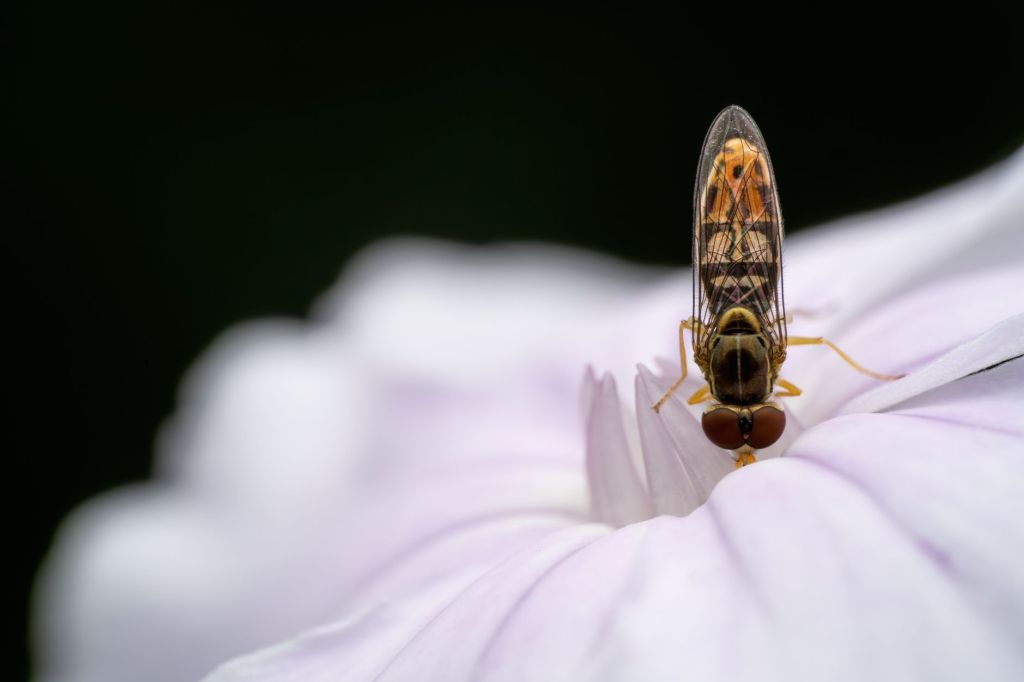
Clever things that plants do: No. 1, Colourful sex
Draft book chapter 6 explored the concept of plant intelligence, but was devoid of examples. We begin to remedy that deficiency here with the first of a series of posts focusing on examples of plants exhibiting “clever” behaviours. This post highlights how Saxifraga fortunei changes the colour of its pistils…
-
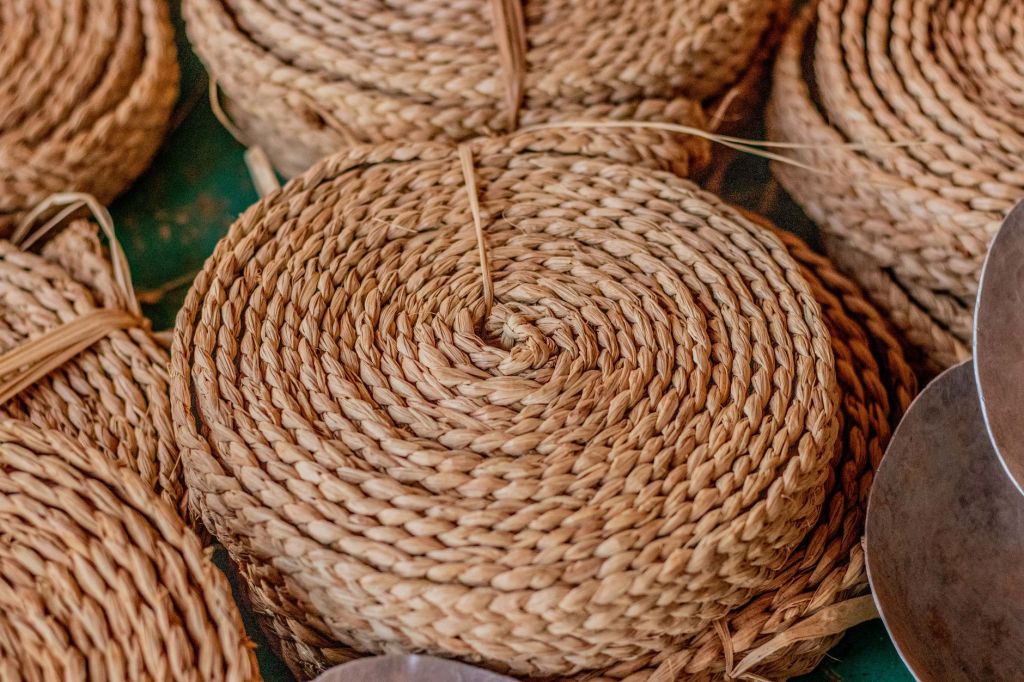
Dead men’s shoes don’t walk, but they do talk…
Macarena Bustamante-Álvarez et al., uncovered ancient sandals made from esparto grass at an Iron Age mining site in Spain, dating back 2,400 years. The footwear exhibits skilled craftsmanship with precise design, demonstrating the significance of plant fibres in ancient economies. Unique preservation conditions allowed these artifacts’ survival. [But! there’s so…
-

Flowers: Planet- and people-producers
David George Haskell’s “How Flowers Made Our World” explores the vital role of flowers and flowering plants in shaping Earth’s ecosystems and human connections. Comprising scientific insights, Haskell’s engaging narrative highlights plant biology, ecology, and the historical interrelation between flora and humanity, making an overwhelming case for their importance in,…
-

“miserable, naked, hungry”, concluding a timely celebration of plants
The book emphasises the importance and diversity of plants, showcasing their roles in ecosystems, photosynthesis, and human relationships. It explores plants’ structural ingenuity, adaptability, and intelligence, while addressing their contributions to food security, art, and medicine. Ultimately, it advocates for increased awareness and funding for plant research to ensure a…
-
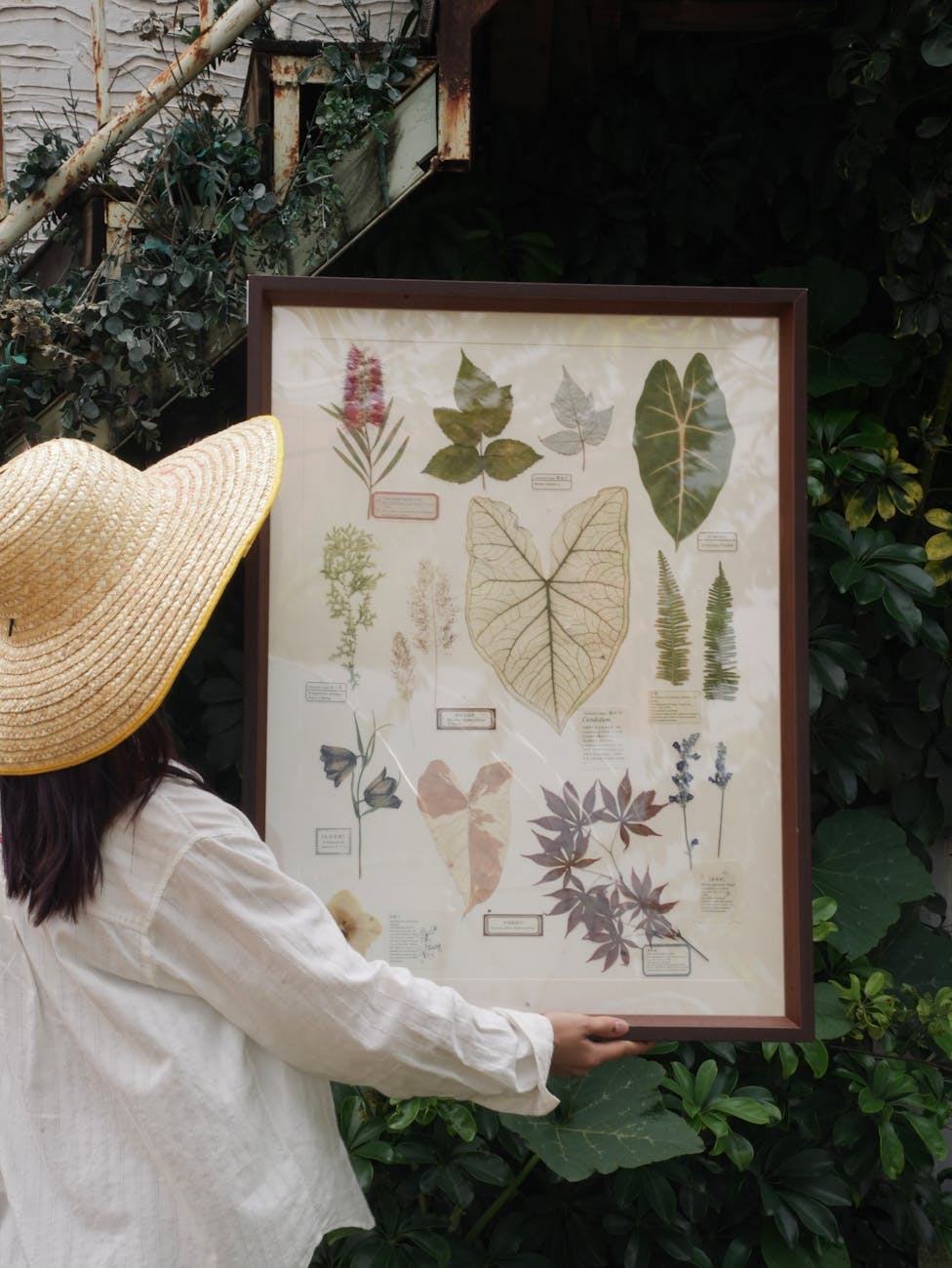
Chapter 7b Plants and the artistic imperative
The post explores the multifaceted cultural significance of plants in art, writing, and plant names. It highlights examples like Cheilanthes lindheimeri’s reclassification to Gaga, the presence of plants in poetry from Ovid to Darwin (Erasmus), and their portrayal in art ranging from van Gogh to botanical illustrations. Plants have influenced…
-

Chapter 7a Plants and the agricultural imperative
Rice, a vital food staple, supports half of the global population and illustrates the integral role of agriculture in human survival and civilisation. While agriculture fosters artistic development, reliance on a few crops raises concerns about food security. Challenges include disease risks and environmental sustainability, emphasising the need for diverse…
-

Chapter 6 The intelligent plant(?)
This chapter explores the controversial concept of plant intelligence, examining how plants utilise other organisms for vital processes like pollination. It discusses debates surrounding definitions of intelligence and the potential for plants to influence human behaviour. ‘Plant neurobiology’ is discussed, in the hope of prompting reevaluation of plant capabilities and…
-
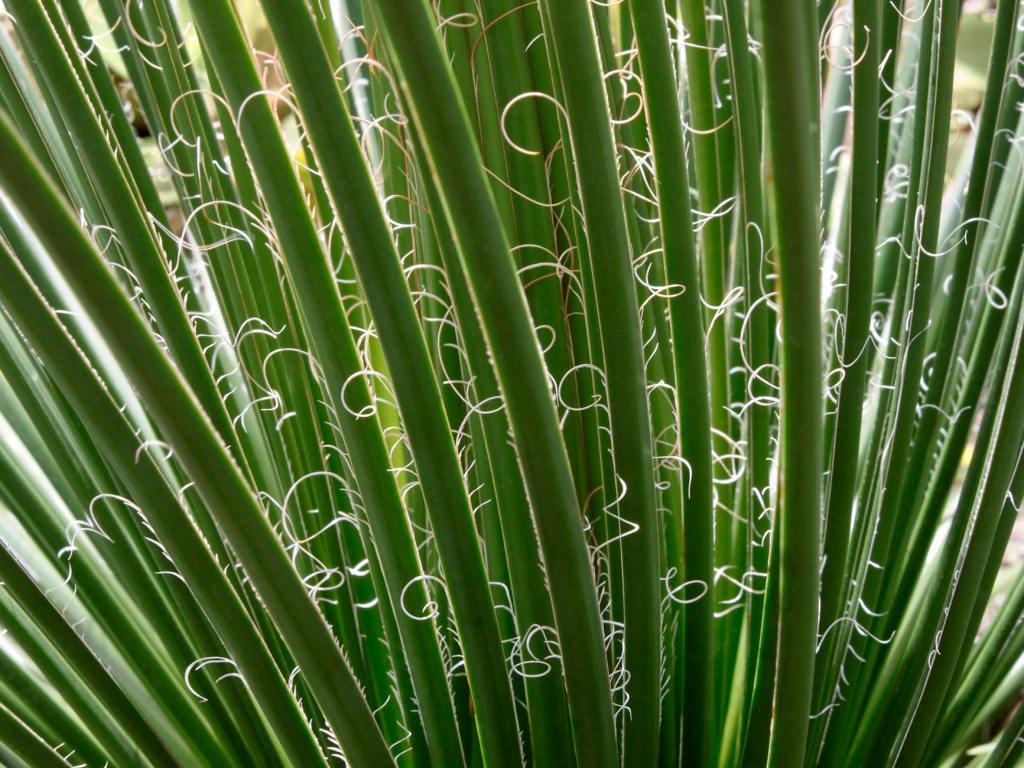
Chapter 3 The economical and efficient design of plants
Taxodium, a remarkable gymnosperm, exemplifies nature’s design with its three essential tissue systems—dermal, vascular, and ground. These systems enable plants to achieve tremendous diversity and size while fulfilling human material needs, such as fibres for textiles. Plant structures also inspire innovative solutions in human engineering through biomimetics.
-
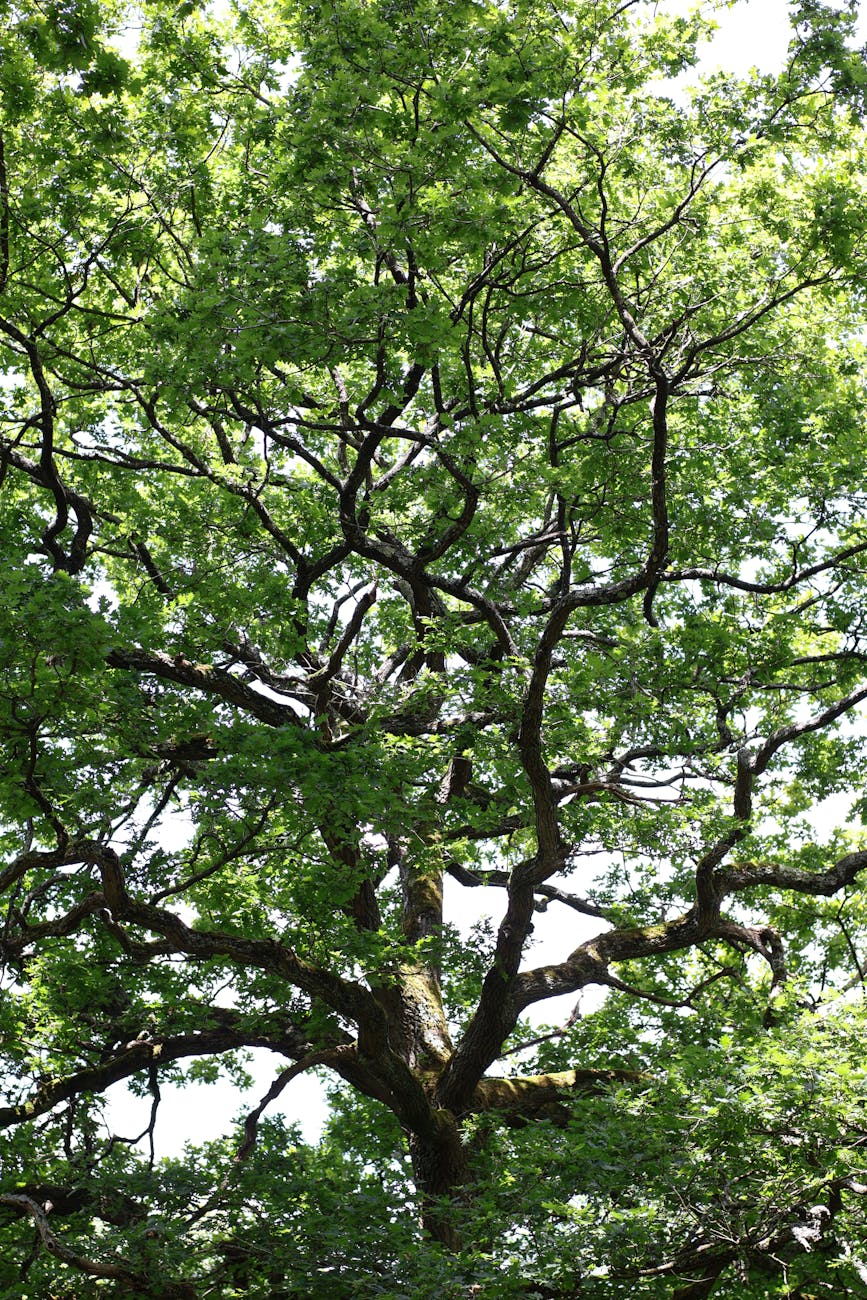
Chapter 2 Oxygen, the planet’s most precious waste product
Plants, through photosynthesis, produce vital oxygen and organic compounds that support life on Earth and enabled the evolution of complex organisms. This chapter highlights the importance of photosynthesis in ecosystems and discusses potential improvements to increase efficiency for a growing human population, emphasising the need for more plant scientists in…

