Tag: botany
-

Clever things that plants do: No. 2, Carnivory you can count on…
This post explores the Venus flytrap’s ability to exhibit intelligent behaviour by counting prey interactions. It highlights the plant’s unique mechanism for trapping insects, requiring multiple sensory hair stimulations for digestive enzyme production. This ability demonstrates both the plant’s arithmetic skills and its adaptation to nutrient-poor environments, showcasing its carnivorous…
-
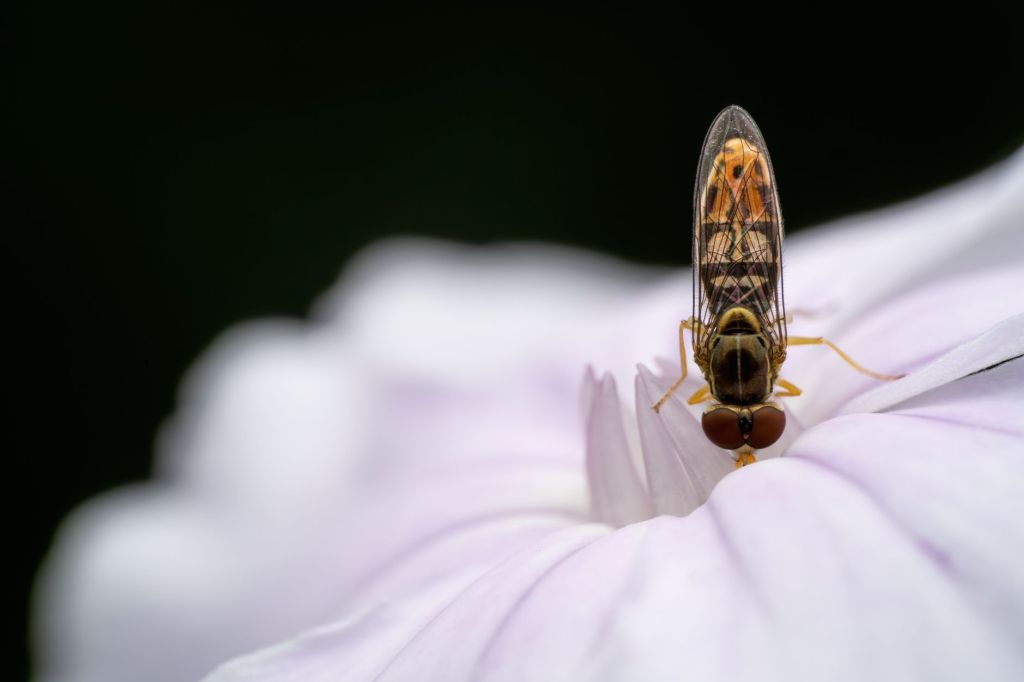
Clever things that plants do: No. 1, Colourful sex
Draft book chapter 6 explored the concept of plant intelligence, but was devoid of examples. We begin to remedy that deficiency here with the first of a series of posts focusing on examples of plants exhibiting “clever” behaviours. This post highlights how Saxifraga fortunei changes the colour of its pistils…
-

Reading nature’s medicine cabinet
Nature’s Apothecary by Margaret Willes explores the historical roles of apothecaries and the medicinal value of 100 plants, with emphasis upon British herbal traditions. The well-crafted text is full of fascinating insights and illustrations, though it lacks comprehensive sourcing for some claims. Overall, it is an enriching resource on herbalism.
-

Urgent message for humanity: Sea kelp(!)
David Helvarg’s “Forest of the Sea” emphasises the significance of kelp ecosystems and their perilous decline, paralleling the challenges faced by coral reefs. The book interweaves the biology of kelp with human stories and ecological narratives, urging readers to recognise and advocate for the preservation of these vital underwater forests,…
-
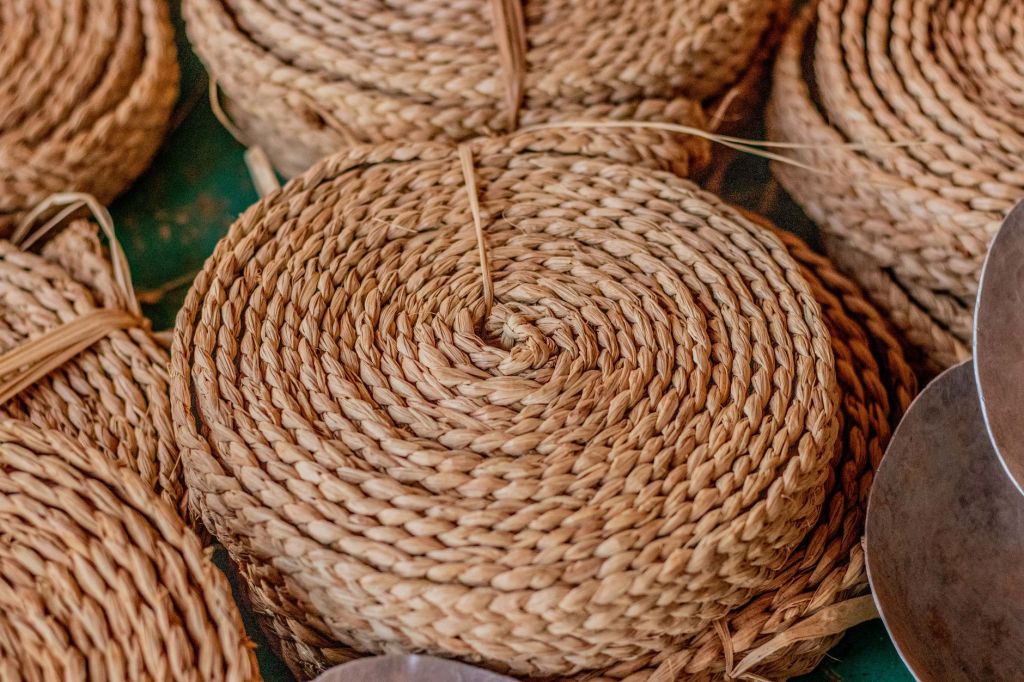
Dead men’s shoes don’t walk, but they do talk…
Macarena Bustamante-Álvarez et al., uncovered ancient sandals made from esparto grass at an Iron Age mining site in Spain, dating back 2,400 years. The footwear exhibits skilled craftsmanship with precise design, demonstrating the significance of plant fibres in ancient economies. Unique preservation conditions allowed these artifacts’ survival. [But! there’s so…
-
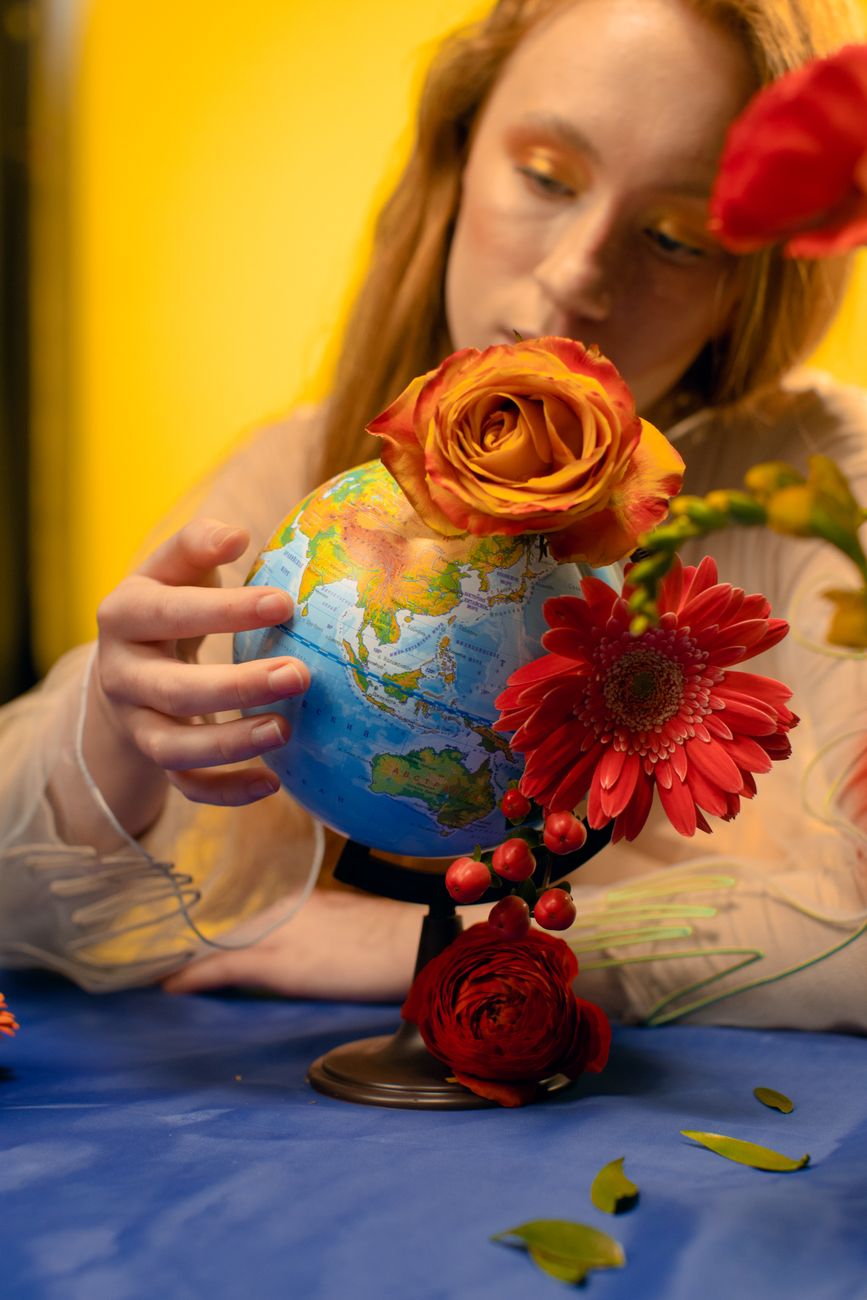
Flowers: Planet- and people-producers
David George Haskell’s “How Flowers Made Our World” explores the vital role of flowers and flowering plants in shaping Earth’s ecosystems and human connections. Comprising scientific insights, Haskell’s engaging narrative highlights plant biology, ecology, and the historical interrelation between flora and humanity, making an overwhelming case for their importance in,…
-
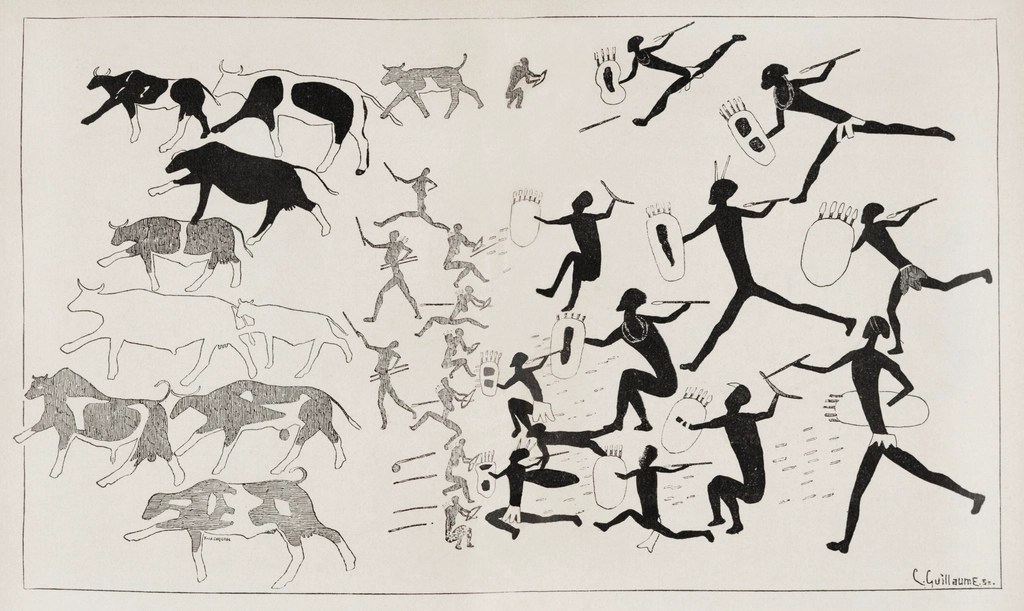
The original illuminati?*
This post’s main focus is the study by Arobba et al. that investigates how five hunter-gatherers in Italy used small pine twigs for lighting caves over 14,000 years ago. This research combines analysis of ancient remnants and experimental archaeology, showing that the twigs provided sufficient light for navigation, enhancing our…
-
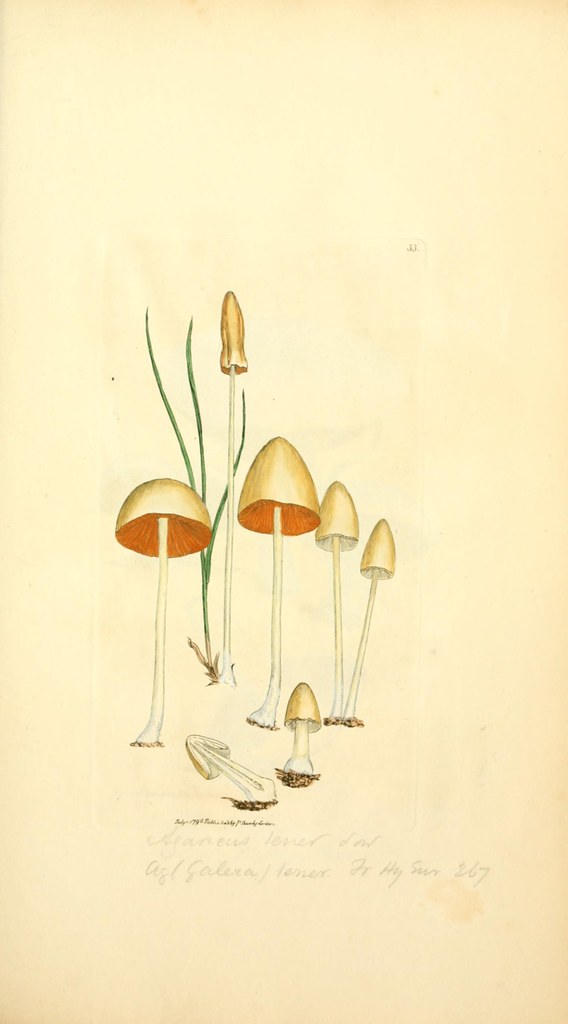
Money, the mushroom fun-guy…
Nicholas Money’s “Fungi and human life” explores the profound connections between fungi and humanity, revealing their essential roles in health, nutrition, and the ecosystem. The book combines engaging storytelling with scientific insights, emphasising the significant, yet often overlooked, impact of fungi on humanity and highlighting their untapped health-helping potential.
-

“miserable, naked, hungry”, concluding a timely celebration of plants
The book emphasises the importance and diversity of plants, showcasing their roles in ecosystems, photosynthesis, and human relationships. It explores plants’ structural ingenuity, adaptability, and intelligence, while addressing their contributions to food security, art, and medicine. Ultimately, it advocates for increased awareness and funding for plant research to ensure a…
-

Chapter 10 Spices, slavery, smoking, Stalinism, and sugar: A darker side to plants and people
The relationship between humans and plants, particularly regarding cash crops like sugarcane, tobacco, and cotton, reveals a complex history of exploitation and suffering. The industrial-scale cultivation of these plants has ties to slavery and has contributed to modern health issues, while simultaneously shaping ideologies such as communism and capitalism.

