Tag: plants
-
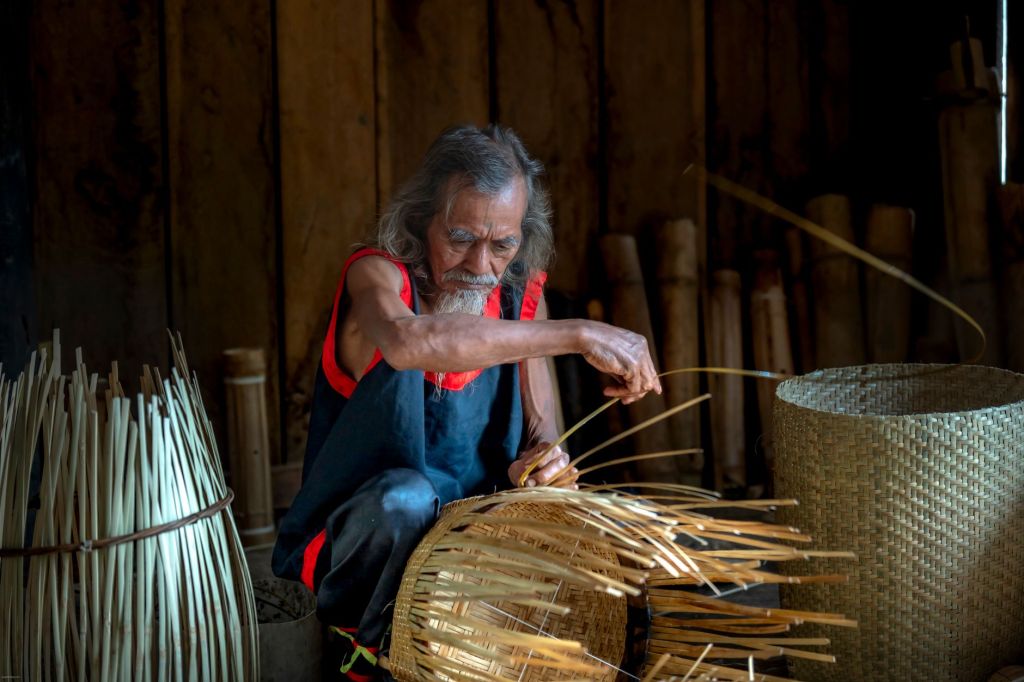
Plants and people: The case for basketry
Mark Nesbitt and Ruth Stungo’s book, Weaving Nature, explores basketry beyond mere containers, emphasising the craft’s historical significance, materials, and techniques. It blends ethnobotany, collecting history, and practical applications of basketry in various contexts. The authors aim to reveal the intricate relationship between plants, makers, and users throughout history.
-

“miserable, naked, hungry”, concluding a timely celebration of plants
The book emphasises the importance and diversity of plants, showcasing their roles in ecosystems, photosynthesis, and human relationships. It explores plants’ structural ingenuity, adaptability, and intelligence, while addressing their contributions to food security, art, and medicine. Ultimately, it advocates for increased awareness and funding for plant research to ensure a…
-

Chapter 10 Spices, slavery, smoking, Stalinism, and sugar: A darker side to plants and people
The relationship between humans and plants, particularly regarding cash crops like sugarcane, tobacco, and cotton, reveals a complex history of exploitation and suffering. The industrial-scale cultivation of these plants has ties to slavery and has contributed to modern health issues, while simultaneously shaping ideologies such as communism and capitalism.
-
Chapter 8 Health-giving plants
This post explores the multifaceted roles of plants beyond food, emphasising their contributions to leisure activities, health, and well-being. It highlights the importance of grasses in sports, the psychological benefits of green spaces, and the historical significance of gardens. Ultimately, it underscores how plants enhance the lives of people.
-
Chapter 2 Oxygen, the planet’s most precious waste product
Plants, through photosynthesis, produce vital oxygen and organic compounds that support life on Earth and enabled the evolution of complex organisms. This chapter highlights the importance of photosynthesis in ecosystems and discusses potential improvements to increase efficiency for a growing human population, emphasising the need for more plant scientists in…
-
Chapter 1 Plants: The great collaborators and crafters of planet Earth
Angiosperms, with roughly 369,400 species, exemplify plant diversity and ecological significance. This chapter explores various plant classifications, emphasizing interactions within the Plant Kingdom and between plants and other organisms. Mycorrhizal relationships are highlighted as critical for land flora evolution, shaping landscapes and humanity’s connection with plants throughout history.
-
Introduction to Mr Plant Cuttings’ book project
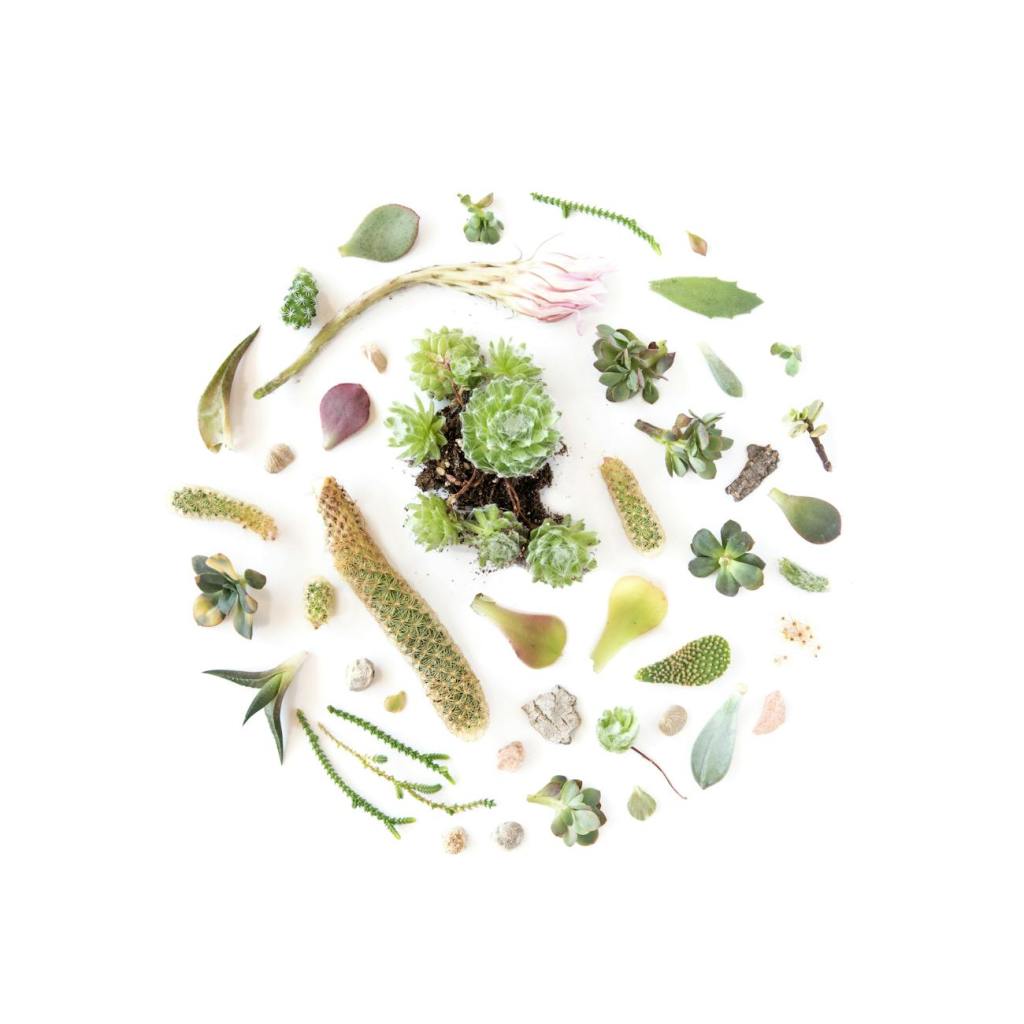
This post highlights Mr P Cuttings’ ambition for a book about plants. Highlighting 10 need-to-know facts about our green neighbours, topics include plant diversity, structure, and senses, photosynthesis, agriculture, and cultural and wellbeing impacts of plants. By emphasising plants’ historical – and continuing – impact on human life, it hopes…
-

There’s a Japanese word for that…
The post discusses the connections between the Japanese language and botany. In particular, it highlights the relevance of origami and kirigami to modern-day engineering applications, and of shinrin-yoku to forest bathing’s health benefits. Additionally, it ponders the Japanese word for a wooden satellite.
-

Plants in the literary tradition
The Cambridge Handbook of Literature and Plants, edited by Bonnie Lander Johnson, is a scholarly compilation of 19 expert contributions exploring plant representation in global literature over two millennia. Covering diverse themes, it encourages readers to reconsider human-plant relationships and enhances our understanding of plants in literature, poetry, and song.
-

Exploring spirals in nature: The maths behind plant growth
The book “Do plants know math?” by Stéphane Douady et al. explores the mathematical principles behind plant spirals, particularly the arrangement of leaves. Not restricted to the maths, it present a rich blend of history, science, and practical activities, to show how scientists, over several centuries, studied – and eventually…

