Tag: plant science
-
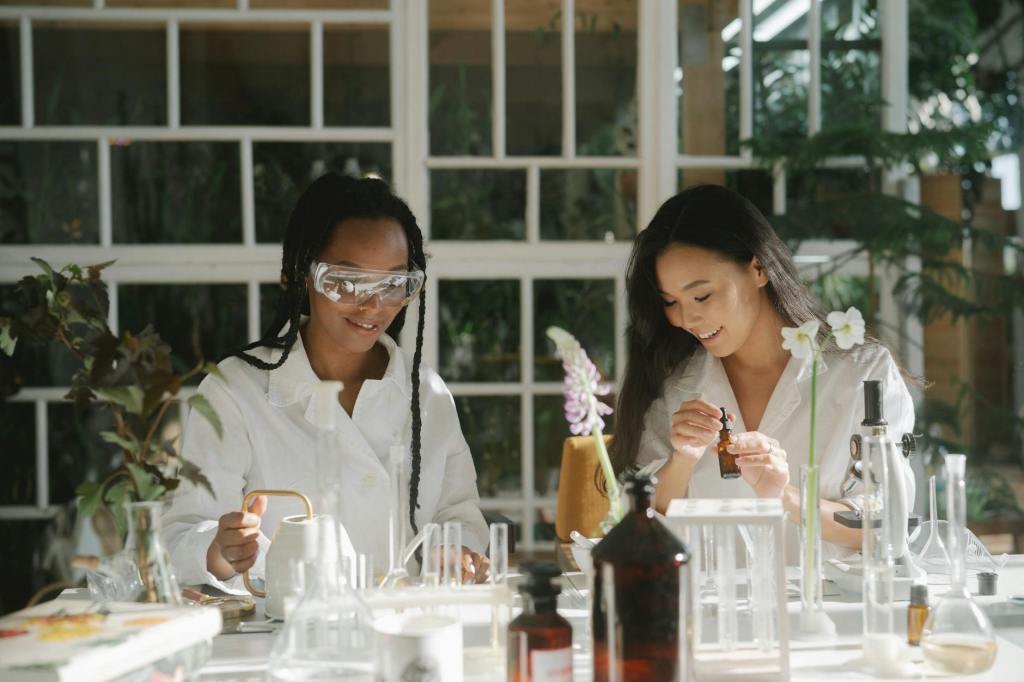
The essentials of plant biology
Essential Plant Biology by Alison Smith et al. offers a comprehensive overview of modern plant biology, emphasizing molecular genetics and biochemistry, crucial for understanding plant function today. Divided into six parts, the book covers topics from plant evolution to environmental interactions, targeting undergraduates with a foundation in molecular biology.
-
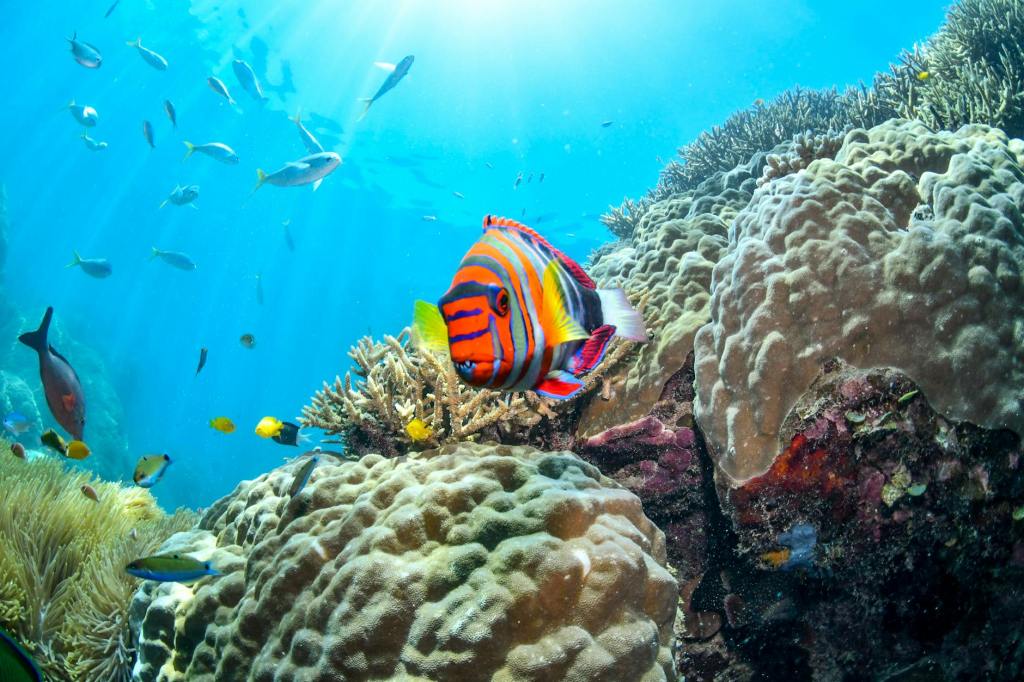
Can pollen save coral reefs?
Traditional sunscreens harm marine life, particularly corals. A new eco-friendly sunscreen using sporopollenin from tea pollen – developed by Chungmo Yang et al. – demonstrates effective UV protection without bleaching corals. This presents a potentially sustainable solution to mitigate environmental damage caused by conventional sun-blocking products.
-
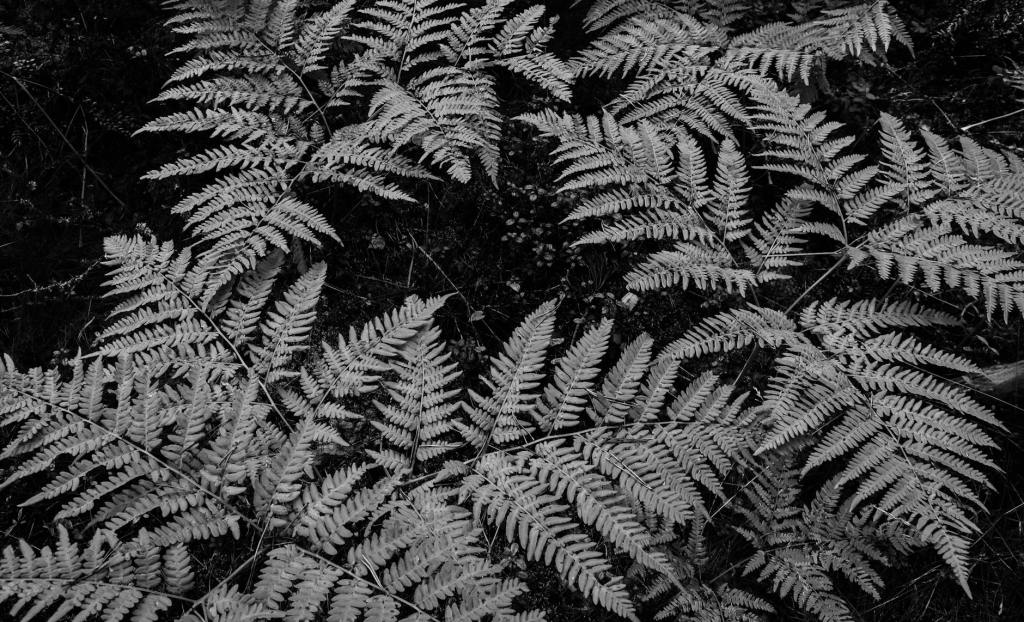
A super book about fern biology
Ferns: Lessons in Survival From Earth’s Most Adaptable Plants by Fay-Wei Li & Jacob S Suissa, illustrated by Laura Silburn, explores fern biology, diversity, and evolution. The book combines engaging text with extensive illustrations, making it visually appealing and informative. Although technical at times, it serves as an excellent introduction…
-
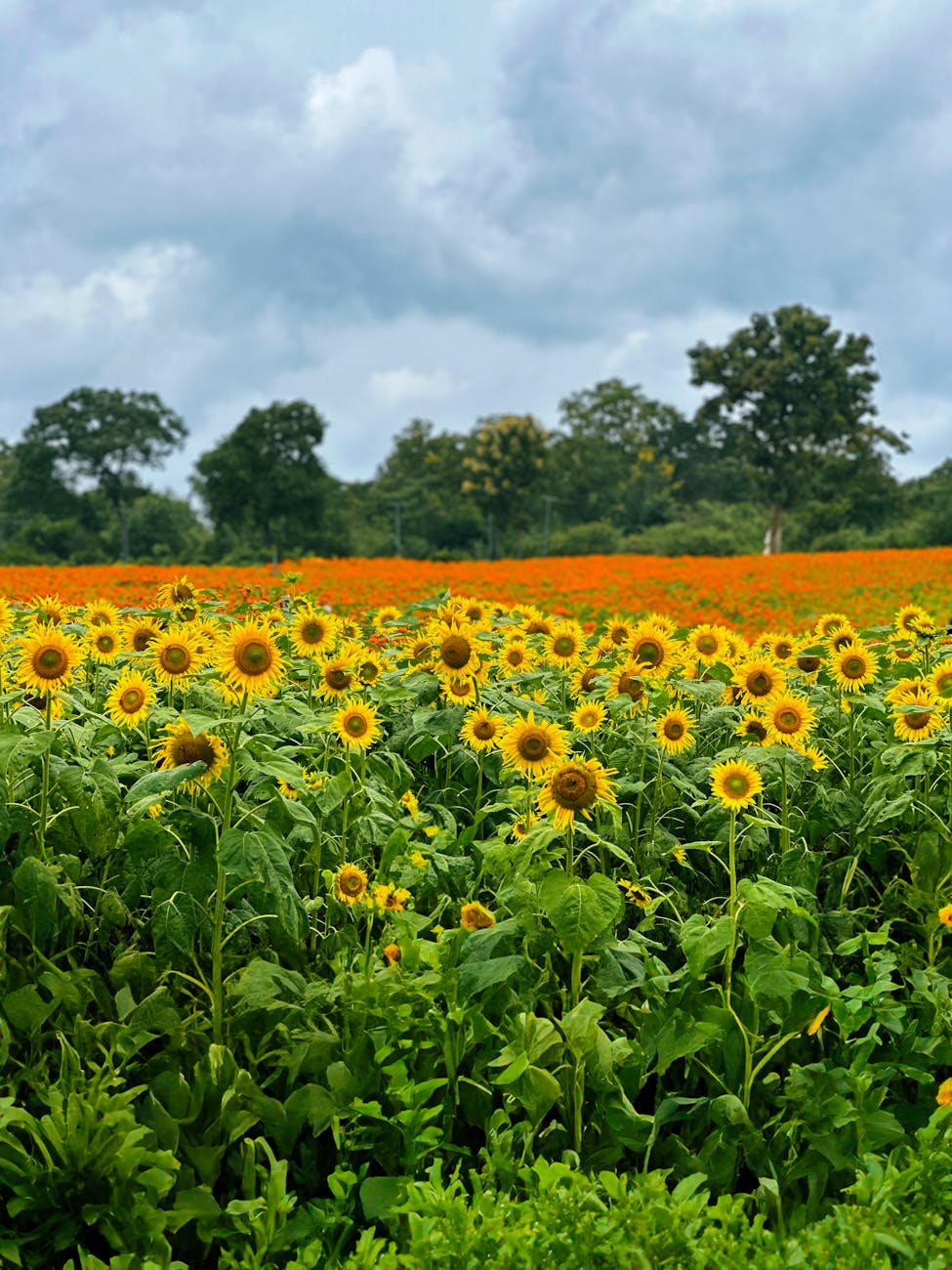
Some of 2025’s notable new plants
Creating weekly blog posts for Plantcuttings.uk is challenging, especially when facing inspiration blocks. Recently feeling pressured to maintain output levels, Mr Cuttings decided to discuss notable new plant discoveries of 2025. Drawing inspiration to do so from an article by Damian Carrington, he ultimately found renewed satisfaction in the writing…
-

Plants light up your life (and night…)
Shuting Liu et al. (2025) explore the potential of engineered luminescent plants, specifically Echeveria ‘Mebina’. Injected with phosphorescent particles, these plants can absorb sunlight and emit light in various colors. While promising for sustainable lighting, challenges include labour-intensive production and the impact on plant physiology, limiting widespread application.
-
Prize-winning plant work
The post discusses the Ig Nobel Prize winners of 2025, highlighting their humorous yet insightful research related to plants and food. It emphasizes the absence of specific Nobel Prizes for botany, despite notable plant scientists obtaining Nobel recognition. The post reflects on the lighter side of science, showcasing how fun…
-
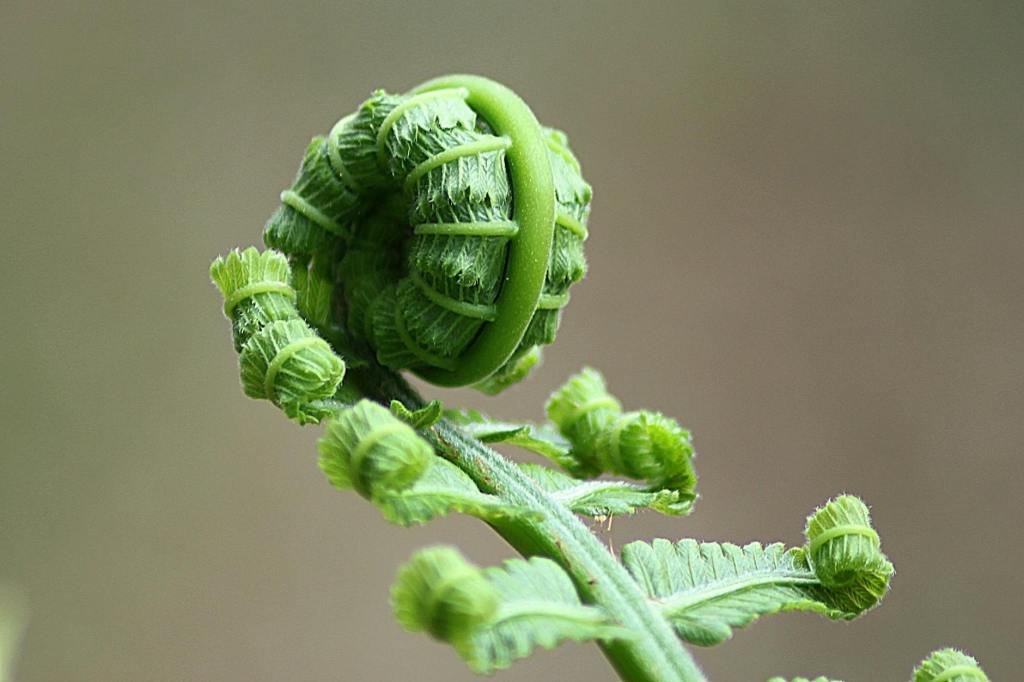
Rare earths: Botany meets geopolitics
The post discusses He et al., 2025’s work with Blechnum orientale, a fern that accumulates rare earth elements (REEs), in particular the mineral monazite. This discovery raises important questions about plants being a sustainable source for REEs. The post also provides background to REEs, and doesn’t ignore their geopolitical significance.
-

A botanical conundrum solved (sort of…)
The post follows-up on a previous post that considered how much of the plant’s photosynthesis is used in root mucilage production. In particular it discusses the challenges in verifying % claims from Wikipedia and McNear Jr. Mr P Cuttings emphasises careful source citation and acknowledges that the puzzle remains unresolved.
-

The wooden universal Australian
Eucalyptus by Stephen D Hopper uniquely integrates Aboriginal and Western scientific perspectives on eucalypts, offering insights into their cultural significance and ecological roles. The book includes first-hand accounts of Aboriginal practices and contrasts them with European views, emphasizing eucalypts’ importance and advocating for their conservation amid modern threats.
-

A botanical conundrum: HELP, please!
The post discusses the substantial – but source-substantiated – amount of energy plants use secreting root mucilage, estimated at 10-40% of their photosynthesized carbon. Mr P Cuttings expresses scepticism about these high figures, noting lower estimates from earlier studies. To clarify this discrepancy, a full copy of Newman’s 1985 article…
 Plant Cuttings