Tag: botany
-
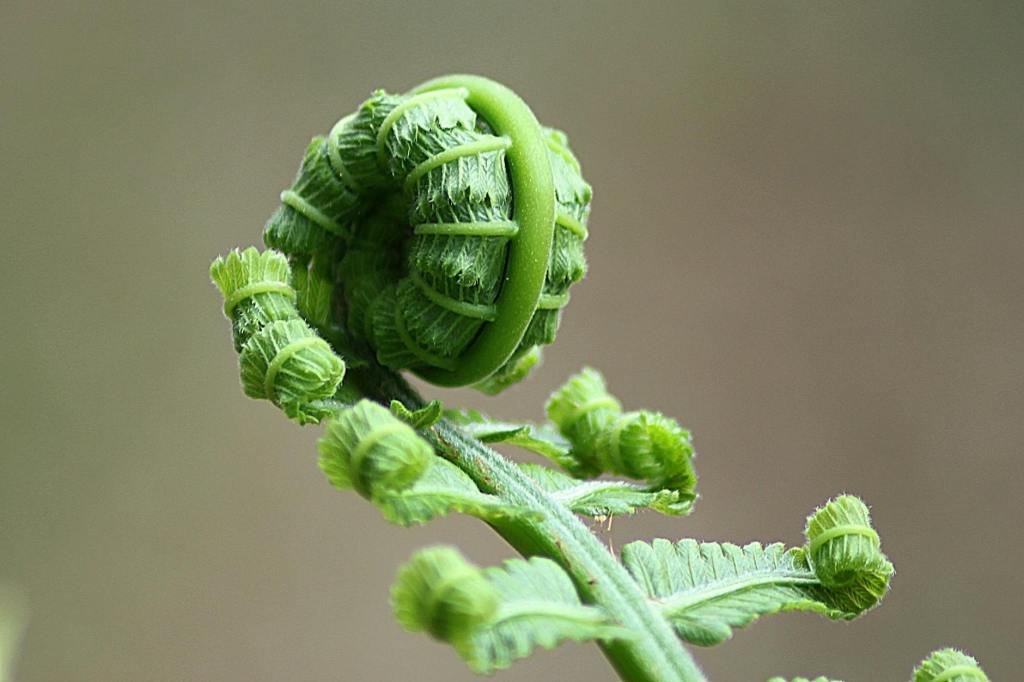
Rare earths: Botany meets geopolitics
The post discusses He et al., 2025’s work with Blechnum orientale, a fern that accumulates rare earth elements (REEs), in particular the mineral monazite. This discovery raises important questions about plants being a sustainable source for REEs. The post also provides background to REEs, and doesn’t ignore their geopolitical significance.
-

A botanical conundrum solved (sort of…)
The post follows-up on a previous post that considered how much of the plant’s photosynthesis is used in root mucilage production. In particular it discusses the challenges in verifying % claims from Wikipedia and McNear Jr. Mr P Cuttings emphasises careful source citation and acknowledges that the puzzle remains unresolved.
-

The wooden universal Australian
Eucalyptus by Stephen D Hopper uniquely integrates Aboriginal and Western scientific perspectives on eucalypts, offering insights into their cultural significance and ecological roles. The book includes first-hand accounts of Aboriginal practices and contrasts them with European views, emphasizing eucalypts’ importance and advocating for their conservation amid modern threats.
-
What are gardens for..?
The green fuse by Peter Dale explores gardens through a philosophical and cultural lens, emphasizing their connections with literature, music, and art. Challenging yet rewarding, the book enriches readers’ understanding of gardens beyond utilitarian functions, presenting deep insights and beautiful prose. It’s a significant contribution to the plants-and-people discourse.
-

A botanical conundrum: HELP, please!
The post discusses the substantial – but source-substantiated – amount of energy plants use secreting root mucilage, estimated at 10-40% of their photosynthesized carbon. Mr P Cuttings expresses scepticism about these high figures, noting lower estimates from earlier studies. To clarify this discrepancy, a full copy of Newman’s 1985 article…
-

There’s a Japanese word for that…
The post discusses the connections between the Japanese language and botany. In particular, it highlights the relevance of origami and kirigami to modern-day engineering applications, and of shinrin-yoku to forest bathing’s health benefits. Additionally, it ponders the Japanese word for a wooden satellite.
-

The domestication of people by plants…
Robert N. Spengler III’s “Nature’s greatest success” challenges the traditional view of agriculture’s origins, arguing that domestication was not a conscious act by humans but rather an inevitable outcome of plants’ evolution. He emphasises the partnership between plants and people, prompting critical thinking about our agricultural history and the role…
-

A deep dive into seaweed structural colour
Investigating the tips of the red seaweed Asparagopsis taxiformis, Hiroshi Kawai & Taizo Motomura identified presence of ‘nanospheres’. The structural colours of blue or white produced by the nanospheres are interpreted as examples of ‘warning colouration’, and ‘camouflage’, respectively.
-

24 hours in the botanical 8th continent
Tree day by Meg Lowman explores the intricate biology and ecology of trees, focusing on 24 species through personal anecdotes and insights from her extensive fieldwork. The book emphasizes the ecological significance of tree canopies and is a charming introduction to tree biology, and the daily life of an arbornaut.
-

Celebrating dendrochronology and dendrochronologists
In the Circle of Ancient Trees, edited by Valerie Trouet, explores dendrochronology and its significance through ten extraordinary tree species. The book combines scientific insight with human interest stories from dendrochronologists, highlighting the intertwined relationship between trees and society. Engaging essays are complemented by illustrations, though source citation remains a…
 Plant Cuttings