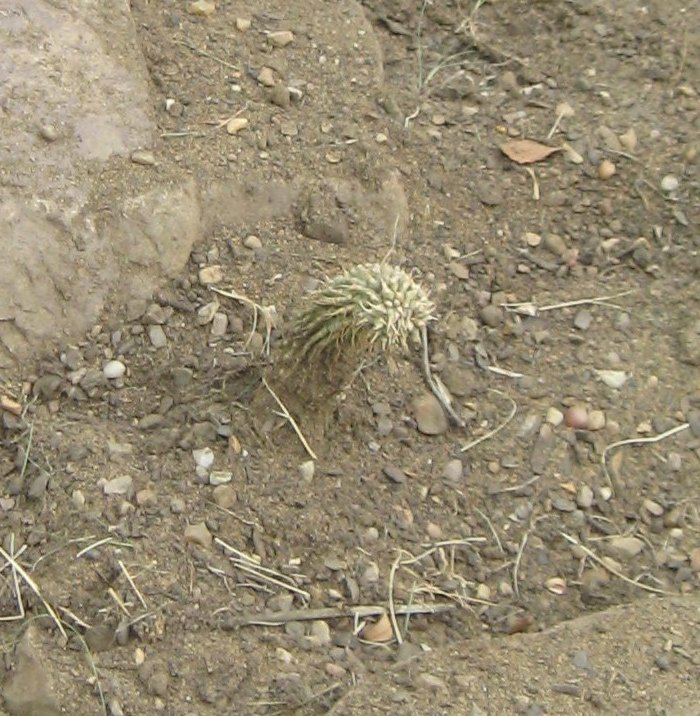
Spot the appetite-suppressing succulent(!) Hoodia ruschii – an insignificant looking member of the Apocyanaceae (the milkweed family) – whose relative, H. gordonii, contains secondary plant compounds traditionally used as a hunger and thirst suppressant by the Khoisan of southern Africa, and was at the centre of a major biopiracy legal case.
Chapter 9 deals with some of the most fundamental reasons to celebrate plants, the incredible range of so-called secondary plant compounds (SPCs) that plants make. Why? Because SPCs give us many of our modern-day medicines and drugs, and continues to represent a vast unexplored chemical treasure chest. Several examples are chosen to illustrate three remarkable medicinal compounds humans exploit: quinine, the malaria medicine obtained from the bark of a South American tree (but which also aided and abetted the empire-building and colonial expansion practised by European states in the 19th century…); a hunger-suppressing compound from Hoodia, a desert plant whose interesting properties were known to and used by the San people of South-western Africa for centuries (and which story has interesting insights into the treatment of indigenous people’s intellectual property rights); and curare, originally a poison that helped indigenous people of South America hunt monkeys, etc., but which was ‘repurposed’ as a muscle relaxant used for many years in Western surgery.
This chapter briefly looks at a range of plant secondary compounds (SPCs) (with emphasis on their use by humans), and also looks at the ability of plants to protect themselves from herbivory and microbial infection by the use of a cocktail of chemical compounds [Ed. – when Mr Cuttings gets around to it…]…
A bit about proteins…
If you know anything about proteins it is likely to be that they are big molecules – ‘polymers’ (Hassan Namazi, 2017; Sid Perkins, 2017) with molecular weights up to 2,000,000 units – which play a wide range of different roles in living things (Peter Day, 1996; Felix Haurowitz; Rhiannon Morris et al., 2022). Although numerous in nature, each protein is constructed from a small range of sub-units (technically known as monomers) – called amino acids.
[Ed. – in popular knowledge one might believe that all amino acids are one or another of the 20 or so that are found in proteins (Daniel E Koshland; Michael J Lopez & Shamim S Mohiuddin, 2024), the so-called proteinogenic amino acids. But, although those are the ones typically found in proteins, there are dozens of other ‘non-proteinogenic’ amino acids (Daniel E Koshland): “More than 140 non-proteinogenic amino acids naturally occur in proteins”. As you might imagine, this sort of diversity makes this particular group of molecules quite interesting. For instance, an example of a non-proteinogenic amino acid is γ-amino butyric acid (GABA), which may act as a signalling molecule in plants. Another plant example is 1-aminocyclopropane carboxylate (ACC (Bram Van de Poel & Dominique Van Der Straeten, 2014)), the direct precursor of ethylene, “a gaseous hormone regulating a wide ranges of developmental and stress-related processes in plants” (Georg Jander et al., 2020).]
Although the chemical composition of amino acids varies, their defining characteristic is that they have an amino group at one end and a carboxylic acid group at the other of the molecule. In constructing a protein, individual amino acids need to be combined in a linear, string-like fashion. When one amino acid joins up with an adjacent one it does so via what is commonly known as a peptide bond (Daniel E Koshland).
[Ed. – the peptide bond is the reason why a long string of attached amino acids is technically known as a polypeptide (Daniel E Koshland). Although the name protein tends to be used as a synonym for polypeptide, “Proteins are large biomolecules and macromolecules that comprise one or more long chains of amino acid residues” (quoted from here). One should therefore probably reserve the name protein for the functioning form of the molecule. This distinction is particularly important for those functional proteins that are actually formed from two or more polypeptide chains – e.g., oxygen-transporting haemoglobin (Daniel E Koshland), and carbon-fixing RuBisCO.]
To form the peptide bond the amino group of one amino acid reacts with the carboxylic acid group of the amino acid next to it (von Sengbusch). Once the bond is formed the two former amino acids become one new combined entity, and a molecule of water is liberated (Deboleena Roy). The fact that two molecules combine with release of another molecule is called a condensation reaction (David Gonzalez, 2023).
[Ed. – if it helps to fix the term condensation reaction in your minds, think of the everyday meaning of condensation, the phenomenon “when moisture held in warm air meets a cold surface like a window or wall and condenses into water droplets”. A condensation reaction is also what takes place when sugar molecules join up in the construction of long-chain polysaccharides). And, in both proteins and polysaccharides, the water is added back to form the component monomers when those large molecules are broken down by hydrolysis (Richard M Renneboog, 2022), e.g., in seed germination (Renu Joshi, 2018; Daniele Nerling et al., 2022)…]
Importantly, each end of the combined entity has either an amino group or an acid group, which can subsequently react with another amino acid. In that way very long chains of amino acids can be constructed forming a linear molecule, and lots of molecule of water eliminated. Although proteins may differ in length – because of the number of amino acids from which they are made – and may fold and twist to form the ultimate 3-D structure – the conformation (Daniel E Koshland) – of the finished protein that functions in the cell, they retain a reactive amino group at one end, and a carboxylic acid group at the other. That is the situation in what we may call the ‘typical proteins’. And there’s something comforting in knowing that at either end of the chain these active groups remain.
But nature is full of surprises, one of which is that there a class of protein that is not linear, but actually ring-like. In this case, the ‘reactively-available’ amino and carboxylic acid groups have reacted with each other to close the loop and create a circular protein. The term plant cyclotides was coined by David Craik et al. (1999) specifically for a new series of such cyclic proteins (approx. 30 amino acids in length) discovered in members of the Violaceae and the Rubiaceae (the family which famously provides coffee and quinine). Technically, cyclotides are miniproteins with the unique structural features of a circular backbone and knotted arrangement of three conserved disulphide bonds (Christian Gruber et al., 2008).
Although the circularity from the arrangement of its constituent amino acids might suggest that cyclotides have a beautiful wheel-like structure, their final 3-D shape looks rather different. For example cycloviolacin O2 looks more like a barrel (see here, or here). And, by way of a nod to chapter 7b, German sculptor Julian Voss-Andreae has helpfully produced a large-scale visualisation of another cyclopeptide, kalata B1, which looks almost anything but circular, and can be seen here, and below:

Originally it was speculated that the cyclotides might be involved in plant defence against herbivores (Craik et al. (1999). But, the list of putative roles for these remarkable molecules has increased, as has our understanding of how widely-found in nature they are. For instance cyclotides are now known in the Cucurbitaceae (cucurbit family) (David Craik, 2012), Fabaceae (legume family) (Craik, 2012), and Solanaceae (the nightshade family (Eric Bullard, 2024), in Petunia (Aaron Poth et al., 2012; Joachim Weidmann & David Craik, 2016)).
Although still primarily thought to be involved in protecting plants from pests and pathogens, a potential human medicinal role – as an anti-bacterial compound – has been proposed for cycloviolacin-O1 (the compound originally isolated from the Australian violet, Viola odorata, and whose structure typifies the cyclotides – Craik et al. (1999)), by Maria Pränting et al. (2010). Whilst this activity in a human context is not too surprising – if such chemicals are involved in similar host-defence in planta – it demonstrates the sort of opportunism that humans are rightly famous for in recognising a biological phenomenon but going beyond its natural use to imagine a human-exploitative one. And why not? After all, there is a long-held (if unbelievably arrogant!) view that plants (and all of nature) were placed on this earth for the benefit of humankind [see the Holy Bible’s Book of Genesis (Christopher Brown, 2009; Jeff Wheeldon, 2014)]. Further exploitation no doubt awaits this interesting group of compounds which have also been implicated in anti-HIV and anti-tumour roles (Craik et al., 2006; Sarfuddin Azmi et al., 2022).
To date, over 100 of these plant-specific cyclotides have been discovered, many of which are considered in Azmi et al. (2022)’s review. And more are likely to be found [there may be as many as 50,000 of them in flowering plants] as the range of plants investigated for these molecules is extended – as was found when 50 Sri Lankan medicinal plants were screened by Sanjeevan Rajendran et al. (2023). And, it is worth pointing out, that an individual plant doesn’t necessarily contain just one compound of biomedical interest. Take Viola odorata for example. Whilst it is now known to contain a range of cyclopeptides – including 25 cycloviolacins, it also harbours a wide variety of other chemicals with medicinal value. These compounds, such as alkaloids, glycoside, saponins, methyl salicylate, mucilage and vitamin C, contribute to its having been used as a treatment for jaundice, as an anti-inflammatory, antipyretic, antibacterial, and a hepatoprotective (Payal Mittal et al., 2015). With the appropriate knowledge, plants can be multi-purpose medical kits.
Having got used to the idea of circular, as well as the more familiar ‘linear’, proteins, the ground has – hopefully – been prepared for an appreciation of the enormous range of biomolecules that plants produce, which in turn has led to tremendous interest in exploitation of those chemical for medical, industrial, or what may euphemistically be termed ‘recreational purposes’.
So, welcome to the weird, but wonderful, world of Secondary Plant Compounds (SPCs). SPCs are also known as secondary metabolites, which means that there are molecules known as primary metabolites.
For important context, primary plant metabolites are essential for growth and development – as important components of metabolic pathways (such as respiration and photosynthesis) – and include energy sources like sucrose and structural elements like cellulose. In contrast, although SPCs have no apparent function in a plant’s primary metabolism [Ed. – but see David Seigler & Peter Price, 1976], they may often have an ecological role (Manuel Balandrin et al., 1985), e.g., plant-pollinator, plant-pathogen, and/or plant-herbivore interactions, which impact upon the overall biology of the plant. Accordingly, SPCs are usually involved in, if not responsible for, plant colours and flavours and tastes and defence and many of their narcotic and medical properties (see e.g., Atharv Ambekar et al., 2026).
And SPCs are a huge – and expanding – group which includes members as diverse as alkaloids, terpenoids, glycosides, flavonoids, steroids, tannins, and essential oils (Gottfried Fraenkel, 1959; Balandrin et al., 1985; Peter von Sengbusch). Compared to their primary metabolite counterparts – such as carbohydrates, lipids, proteins, and nucleic acids, and which are universally present in all plants – SPCs are more limited in distribution in the plant kingdom, often being restricted to a particular taxonomic group (e.g., species or family) (Balandrin et al., 1985).
The overall role of SPCs is admirably summed-up by this statement, “Secondary metabolites in plants may not be essential for their basic life processes, but they are crucial for survival, reproduction, and protection”.
It is not possible to give accounts of all of the plant-based-but-human-exploited SPCs here (although Atharv Ambekar et al., 2026 provide a good summary of this), but it is worthwhile considering a few of the historically-important and influential ‘major players’ in this chemical category, and reflect upon the lessons they can teach us.
Curare
Probably best known as a plant-derived poison that tips the darts used in the blow-pipes of indigenous peoples in South America (Richard Gill, 1946; Benjamin Robbins & John Lundy, 1947a), curare (Sophie Goodall, 2024) is a very powerful muscle ‘relaxant’.
The term ‘relaxant’ is used here rather euphemistically; curare actually paralyses muscles to the extent that its victims die from asphyxiation. This ability to incapacitate [Ed. – another euphemism (Laura Payne)…] makes curare particularly useful for those who hunt out-of-reach tree-dwelling mammals. When such meaty prey is injected with an appropriate amount of curare they fall out of the trees to be collected by the hunter.
Clearly, curare helps greatly in the basic need to supply food for hungry bellies. However, with a little reflection, chemical analysis, transfer to a medical setting, and development of suitable precautions to avoid the patient’s death by asphyxiation, tubocurarine (Natalie Nakles, 2021) (which is isolated from the crude curare preparation) has been used in Western medicine during surgery since the early 1940s (Robbins & Lundy, 1947b). As if a ‘claim to fame’ were needed, curare, under its medical branded name as ‘intocostrin’ (Jenny Tang; Elizabeth Kiernan, 2015), was the “first paralytic used in anaesthesia during surgical procedures” (Sophie Goodall, 2024). Although nowadays, better relaxant and anaesthetic agents are available and have superseded its use in that regard, curare paved the way for their development, and several are “curare-like drugs” (Sophie Goodall, 2024).
Nevertheless, this tale illustrates two important principles. First, plant products used for one purpose – maybe traditionally by indigenous peoples – may have potential in a different context, frequently far removed from the more ancient use, and often geographically distant from the autochthonous peoples who first used it. However, recognition of such possibilities is largely dependent upon the imagination of those who happen upon such practices, and one is here reminded of a quote, attributed to Louis Pasteur in 1854, that “chance only favours the mind which is prepared” (Judith Wakeman). And second, is the need to have accurate ethnobotanical knowledge to correctly ascribe plant products to the specific species involved.
For example, tubocurarine is isolated from the bark and stems of a South American vine (Chondrodendron tomentosum), whereas ‘curare’ has been variously associated with Chondrodendron species (Menispermaceae (Rosa del C Ortiz)) and Strychnos species (Loganiaceae). With understandable potential for confusion as to what SPC comes from what plant, Daniel Fabricant & Norman Farnsworth (2001) emphasise the role of information derived from various systems of traditional medicine (ethnomedicine) and its utility for drug discovery purposes.
However, use of traditional knowledge is not without its problems – especially where it is seen as theft of local knowledge by multi-national pharmaceutical companies who subsequently make large profits from exploitation of that knowledge or ‘intellectual property’ – as illustrated by the next plant.
[Ed. – given how effective this material is at poisoning mammals, you may wonder how humans can safely eat meat from animals poisoned by curare. Fortunately, “Curare is only toxic if it enters the bloodsteam [sic.] via injection, but it’s not poisonous if eaten” (Sophie Goodall, 2024). Just keep well away from the poison-tipped darts used in the hunt! Which is an important cautionary note to any would-be ethnobotanists working in this area, or archaeologists who may unearth such projectiles during their fieldwork. In terms of assessing the effectiveness of any batch of curare, the grading procedure is as follows: “the quality of the curare paste could be assessed simply by tasting it without danger, and was described to be a good stomachic (improving stomach function and increasing appetite). But its potency as an arrow poison was varied and needed testing. A frequently used method was testing the distanced travelled by an animal hit by a curare dart. If a monkey shot by a dart could only get from one tree to the next before dying, this was called a ‘one-tree curare’, the superior grade. ‘Two-tree curare’ was less adequate, and ‘three-tree curare’ was very weak such that it was used to bring down and sedate animals that the Indians wanted to keep in captivity. Therefore, the potency of the poison is a deciding factor as to whether it kills or not” (Sophie Goodall, 2024).]
Hoodia
Hoodia gordonii (Ian Oliver, 2005) is a spiny succulent plant in the Apocyanaceae (Gilberto Morillo & Sigrid Liede-Schumann) (the dogbane family of flowering plants). Traditionally it has been used by the Khoisan indigenous people of southern Africa (Kenneth R Shepherd, 2022) as a hunger and thirst suppressant while on long hunting trips (Tom Mangold, 2003; Ilze Vermaak et al., 2011; Derek Davey, 2024) [Ed. – this property is the opposite to curare, which is an appetite stimulant… (Sophie Goodall, 2024).]
As with curare this traditional use has been recognised as having medicinal value in the West and Hoodia has been commercialised for its ‘anti-obesity’ potential (Tom Mangold, 2003; Carine Smith & Annadie Krygsman, 2014; Ariane Lang, 2020). A drug that suppresses appetite – meaning you eat less and which may therefore lead to weight loss – is the slimming world’s dream product, and probably worth a small fortune. However, that exploitation has been highly controversial because this traditional knowledge has been taken with the intention of making profits that would accrue to the shareholders of the drug company that developed it and not shared with the original ‘discoverers’ of these medicinal properties, the Khoisan people of southern Africa (Ilze Vermaak et al., 2011). This appropriation of traditional knowledge (TK) – a quite literal form of ‘cultural appropriation’ (Crystal Raypole, 2021; Arlin Cuncic, 2026) – by others and subsequent protection in law of the acquiring party’s ownership and exploitation rights as their patented intellectual property (IP) is viewed as a form of piracy, ‘biopiracy’ (defined as the “misappropriation of biological resources, especially medicinal plants and associated TK, through the use of IP rights” – Zinatul Zainol et al., 2011) (Antony Barnett).
In Hoodia’s case a landmark ruling was subsequently reached between the Khoisan people and the South African Council for Scientific and Industrial Research (CSIR) such that some of the exploitation profits – from valorisation of Hoodia-derived steroidal glycoside P57 (Ilze Vermaak et al., 2011) – were shared (Zainol et al., 2011).
Hoodia vs eggplant…
There are echoes of the Khoisan’s Hoodia case elsewhere with GM technology as the National Biodiversity Authority [NBA] of India has initiated a legal action for biopiracy against the US transnational seed company Monsanto and its Indian collaborators (Rajeshree Sisodia, 2011; Walid Abdelgawad, 2012). The NBA claim that India’s Biological Diversity Act of 2002 (now subsequently amended (Mirandah, 2023)) had been violated by Monsanto and collaborator’s use of indigenous varieties of brinjal (eggplant, or aubergine), to develop their genetically modified eggplant species, Bt Brinjal, without prior authorization. [Ed. – as far as Mr P Cuttings can tell this particular intellectual rights’ issue has still not been settled (as at 15th May, 2026), although Bt brinjal was cleared for commercialisation in India several years ago – even if it is still not legal to sow and raise such GM crops (Vikas Vasudeva)…]
Quinine
Quinine is an alkaloid that is found within the bark of the cinchona tree (various Cinchona species (Lucinda Lachelin; Kim Walker) in the Rubiaceae. Native to the montane cloud forests of Bolivia, Colombia, Costa Rica, Ecuador, Panamá, Peru, and Venezuela, in its ancestral home quinine was widely used by the indigenous peoples as a tonic, a digestive stimulant, and a fever-reducer. This latter property – probably unsurprisingly – attracted the attention and interest of European visitors to those lands.
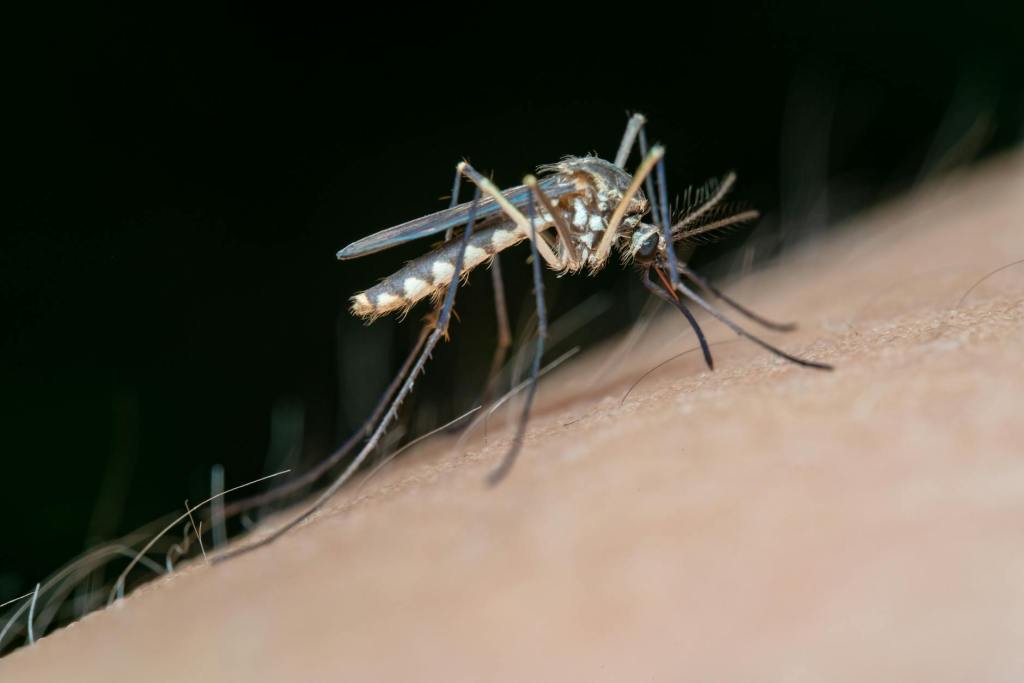
As a consequence, from the 17th century, quinine has probably been most famously used as the first and – until the early 20th century – only effective treatment against malaria upon its introduction to Western medicine. In this way it helps in the age-old war humanity has fought against malaria – a disease caused by a protozoan parasite of the genus Plasmodium (Shigeharu Sato, 2021) transmitted to humans in the bite of infected Anopheles mosquitoes. As an indication of its importance, quinine is on the WHO Model List of Essential Medicines. In other words, quinine is one of “the medications considered to be most effective and safe to meet the most important needs in a health system” (quoted from here); “Essential medicines are those that satisfy the priority health care needs of the population”.
And malaria is a major global problem; although it is most common in the tropics and subtropics – e.g., sub-Saharan Africa, Central America, the northern half of South America, South and Southeast Asia – it can occur in countries bordering on the Mediterranean, in the Middle East, East Asia, and temperate regions. And malaria is a killer. Of the approx. 282 million malaria cases globally in 2024, the World Health Organization (WHO) estimated that 610,000 people died from the disease (from Table 2.1 in WHO’s Malaria Report, 2025, page 8); 579,000 of those malaria deaths (approx. 95% of the global total) were in the “African Region”, with “Just over 75% of all deaths in the region are of children aged under 5 years” (quoted from p. 20 in WHO’s Malaria Report, 2025). Malaria is not only a killer, but it disproportionately targets the very young, in Africa.
A slightly more sinister side of quinine is the widespread notion that it was almost single-handedly responsible for over-turning the claim that Africa was the “white man’s grave” (PD Curtin, 1961; Jules Skotnes-Brown, 2019; Pascal Tréguer), the colourful soubriquet applied to the west coast of that continent. Arguably, therefore, quinine more so than guns, was more effective in supporting the undignified “scramble for Africa” – “the invasion, conquest, and colonisation of most of Africa by seven Western European powers … Belgium, France, Germany, Italy, Portugal, Spain and the United Kingdom” – principally in the 19th and 20th centuries (Saul David, 2011; Rebecca Kulik, 2026). Unwittingly, this SPC was an accomplice to those countries’ part-realisation of their dreams of colonial expansion and overseas empire-building throughout Africa. Quinine thus allowed exploration of large areas of otherwise inhospitable lands, and consequent ‘interactions’ with the indigenous peoples there, and is – sadly – an excellent example of a plant product that helped humans subjugate other human groups.
[Ed. – the perceived perils of visiting West Africa in the 19th century are aptly summarised by the following: “I told him I intended going to West Africa, and he said, “When you have made up your mind to go to West Africa the very best thing you can do is to get it unmade again and go to Scotland instead; but if your intelligence is not strong enough to do so, abstain from exposing yourself to the direct rays of the sun, take 4 grains of quinine every day for a fortnight before you reach the Rivers, and get some introductions to the Wesleyans; they are the only people on the Coast who have got a hearse with feathers” (from p. 8 of Travels in West Africa (Congo Français, Corisco and Cameroons), 1897, by Mary H Kingsley). For more on Mary Kingsley, “English explorer, travel writer, and ethnographic observer known for her journeys through West Africa and for her influential writings on African societies and colonial policy”, see Roger Bunyan 2016; Cynthia A Bily, 2023; and here. Her book can also be viewed at the Internet Archive here, and at Project Gutenberg here.]
Quinine also had an important role in World War II (Thomas A Hughes) when it was a major factor that contributed to the defence of the overseas territories of various European powers (in which the armed forces of the United States of America played a major role (Evan Mawdesley)), and in aiding the territorial expansion of the Empire of Japan. [Ed. – this section will be expanded, a little…]
Sobering thoughts for the next time you have a gin-and-tonic (which latter mixer contains quinine, which provides its bitter taste – Jenna Fletcher; Ada McVean, 2018)…
Although quinine is still in use as an anti-malarial in the 21st century (Jane Achan et al., 2011), its effectiveness has diminished somewhat over the years and alternative treatments have been keenly sought. One which has reached prominence relatively recently is artemisinin (Kara Rogers; Louis Miller & Xinzhuan Su, 2011) (from Artemisia annua (Alison Foster; Estefania Morua et al., 2025), a ‘wormwood’ plant in the Asteraceae). Derivatives of artemisinin are used as anti-malarials, particularly in what is known as artemisinin-based combination therapy (ACT) (which offers a better option than quinine alone (Jane Achan et al., 2011)).
[Ed. – although ACT is not without its problems as resistance against the artemisinin component of the remedy develops in its target parasite (Anders Björkman et al., 2024).]
However, once a plant-derived chemical is recognised for a particular medicinal role, there is the danger of over-exploitation of the natural source, or maybe simply an insufficiency of plant-extracted supply. Which leads on to another plant-exploitation opportunity, the generation of new chemicals that could be made by plants – either via ‘hijacking’ the plant’s own synthetic machinery to make compounds normally provided by another organism, or to make truly novel ones, that do not ordinarily exist in nature – by using GM. In this regard Moran Farhi et al. (2011) have genetically-engineered tobacco (Nicotiana tabacum) (in the Solanaceae, a plant family quite distant from Artemisia’s Asteraceae) to manufacture artemisinin. One hope for this GM approach is that it will lead to reduced costs of production of artemisinin because of the high cost of obtaining the natural product from A. annua, or even chemically synthesized artemisinin (Farhi et al., 2011).
[Ed. – artemisinin also has a claim to fame as an award-winning plant-derived pharmaceutical because its use as an anti-malarial treatment led to the award of the Nobel Prize in Physiology or Medicine in 2015 to Tu Youyou (Kara Rogers), “for her discoveries concerning a novel therapy against Malaria”]
Harnessing plants’ biosynthetic potential for people
More exotically, plants have been developed that can make human proteins. For example, Xing Xu et al. (2011) have created recombinant human collagen in transgenic maize. And exploiting another major crop for human protein ends, Yang He et al. (2011) have designed rice to make human serum albumin (HSA) (Gabriella Fanali et al., 2012), in levels greater than 10% of the total soluble protein of the rice grain. Proper human-derived HSA is in short supply because of limited availability of donated blood, but is widely used in production of drugs and vaccines, and in treatment for severe burns, liver cirrhosis, and haemorrhagic shock (Lauren Gravtiz, 2011). As He et al. (2011) conclude, “Our results suggest that a rice seed bioreactor produces cost-effective recombinant HSA that is safe and can help to satisfy an increasing worldwide demand for human serum albumin”. And recently, the biosynthetic services of a moss (Physcomitrium patens) have been employed in the production of the human protein collagen (Rebecca Roberts, 2026) by Lennard L Bohlender et al. (2026).
Finally, news that an anti-HIV (Human Immunodeficiency Virus – the virus that causes AIDS (Acquired Immuno Deficiency Syndrome (Keith Dorwick)) antibody produced in GM tobacco underwent clinical trials in the UK in 2011 (Sarah Boseley, 2011; Ewen Callaway, 2011). Supporters of this whole approach to human exploitation of plants – so-called molecular farming (Ursula Hoja & Uwe Sonnewald, 2012) or ‘pharming’ (P Byrne; Eric Bullard, 2024) – argue that: protein drugs could be made more efficiently and cheaply inside GM crops, since plants are extremely cost-effective protein producers; mass producing medicines in GM plants uses lower-cost technology than those of biopharmaceuticals made in huge stainless steel fermentation vats containing bacteria or mammalian cells; production costs could be 10 to 100 times lower than using conventional bioreactors; and the relatively simple manufacturing process could be transferred to developing countries (Janet Fang, 2011). However, production of vaccines in plants, despite the undoubted attraction of this notion – not least in those cases where food value is also being provided by the edible vaccine-containing plant parts, is not without its detractors. A big issue is the human resistance – particularly in some quarters – to development of GM plants and production of GM-plant-derived products (Suzie Key et al., 2008).
Whilst GM approaches may have the benefit of reducing collection pressure on the native plants, there remains the issue of who should benefit financially from sale of such products: Who really owns the knowledge that has been commercialised and exploited? This has already been seen above in connection with hoodia and Bt Brinjal; the question of ‘biopiracy’ is not yet fully resolved. Nevertheless, existence of this problem serves to underline the important exploitation potential of plants and their secondary plant products…
Although the production of such plant-made pharmaceuticals (PMPs) goes beyond the concept of nutraceutical (a term coined from “nutrition” and “pharmaceutical” in 1989 (Ekta Kalra, 2003; Jeffrey K Aronson, 2017; Janine Ungvarsky, 2017), it may be regarded as a logical extension of that notion. A nutraceutical is defined as a “food, or parts of a food, that provide medical or health benefits, including the prevention and treatment of disease” (Esther Bull et al., 2000]). Examples of plant-derived nutraceuticals are compounds obtained by consumption of spices – e.g., cloves, ginger, and garlic, which may prevent various neuorodegerative diseases (Ramaswamy Kannappan et al., 2011).
Untapped potential
David Newman & Gordon Cragg (2012), in their review of the sources of new drugs between 1981 and 2010 – which includes many of plant origin, conclude “that natural product and/or natural product structures continued to play a highly significant role in the drug discovery and development process”. Even looking at specific plant parts – such as seeds – there is considerable scope of discovery of compounds with potential as industrial chemicals, pharmaceuticals, and pest control agents (Richard Powell, 2009). James Miller (2011) estimates that a further 20,115 to 23,490 new drugs await discovery from the 298,000 to 348,000 species of plants yet to be screened.
Add to this the range of chemicals that are created when plant material has been combusted (Joshua S Fu, 2020; Kristopher Benke, 2021) and you enter a whole new realm of possibilities, many of which have been known for thousands of years of human’s trial-and-error pragmatic approach to scientific enquiry. Although beyond what we have space for here, that topic has been explored in Marcello Pennacchio et al. (2010)’s tome Uses & abuses of plant-derived smoke: Its ethnobotany as hallucinogen, perfume, incense & medicine that reviews the uses and abuses of plant-derived smoke. I don’t know if anybody has ever compiled a complete inventory of compounds produced by all members of the plant kingdom, but it must run into the tens of hundreds – if not thousands – of SPCs. What exploitation prospects await!
Conclusion
This chapter has dealt with some of the most fundamental reasons to celebrate plants, the incredible range of so-called secondary products they make, which has given us many of our modern-day medicines drugs and continues to represent a vast unexplored medicine chest.


Leave a Reply