Month: October 2026
-
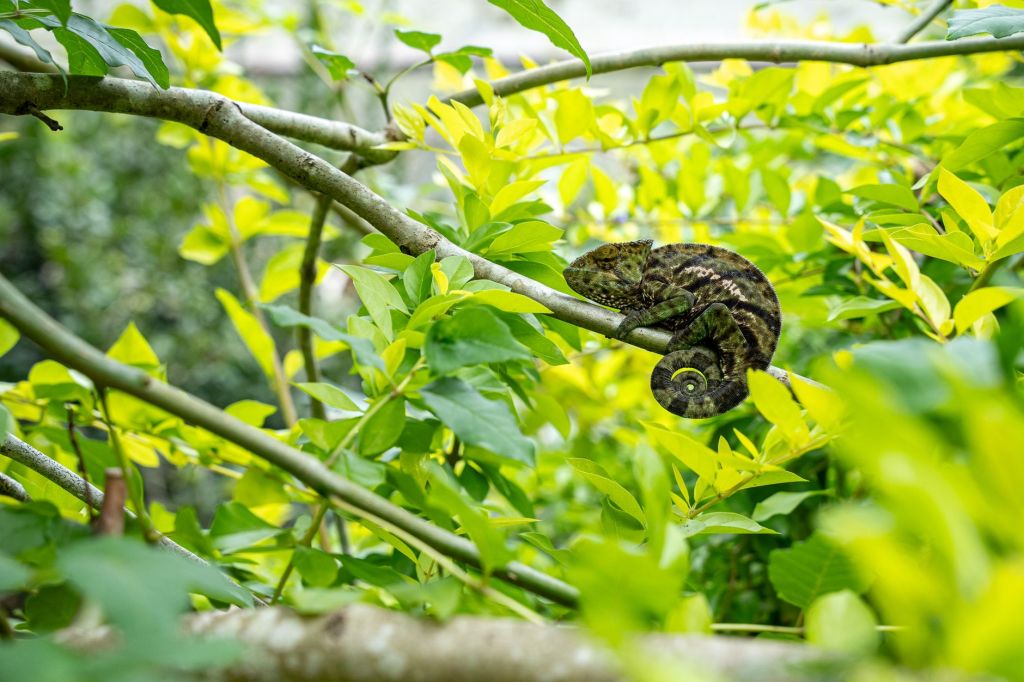
Clever things that plants do: No. 3, Leaf mimicry
The post discusses the remarkable leaf-mimicking behaviour of Boquila trifoliata. Chameleon vine is a climbing plant that alters the appearance of its leaves to resemble those of nearby species (possibly to avoid herbivores). Host plant volatiles, horizontal gene transfer, and even ‘plant eyes’ [ocelli] have been proposed to explain this…
-

The origins of human speech, a burning question.
The post discusses how campfires have fostered social interaction and potentially influenced development of spoken language in early humans. Research by Polly Wiessner (2014) highlights the social benefits of firelight, while Hobaiter & Dominy (2026) suggest that dim lighting at campfires may have prompted the evolution of speech by limiting…
-
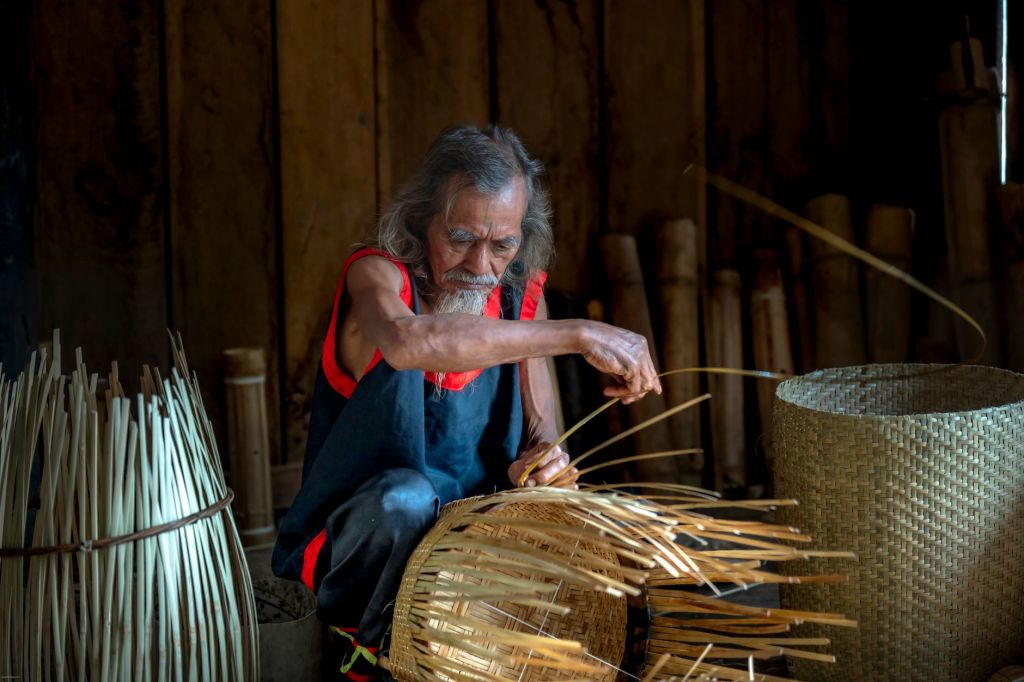
Plants and people: The case for basketry
Mark Nesbitt and Ruth Stungo’s book, Weaving Nature, explores basketry beyond mere containers, emphasising the craft’s historical significance, materials, and techniques. It blends ethnobotany, collecting history, and practical applications of basketry in various contexts. The authors aim to reveal the intricate relationship between plants, makers, and users throughout history.
-
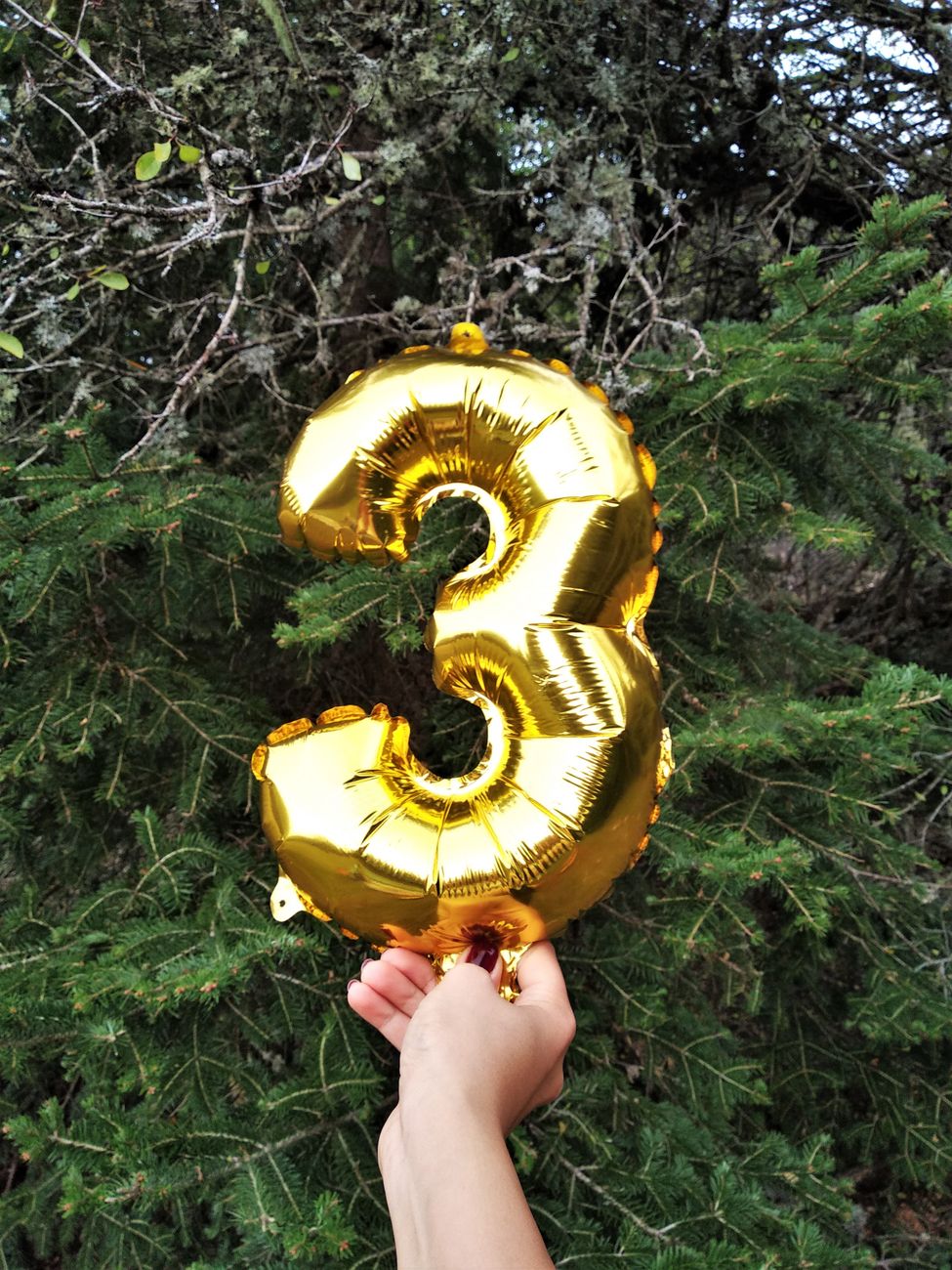
Plant Cuttings is three (and still free…)
Plant Cuttings celebrated its third birthday on 7th October, 2026. Reflecting on the year’s 52 posts this post offers particular insight into the site’s book reviews. The year’s major project was ‘the book’, with 17 draft sections shared in posts. Despite low subscriber numbers, the blog continues as a labour…
-

Clever things that plants do: No. 2, Carnivory you can count on…
This post explores the Venus flytrap’s ability to exhibit intelligent behaviour by counting prey interactions. It highlights the plant’s unique mechanism for trapping insects, requiring multiple sensory hair stimulations for digestive enzyme production. This ability demonstrates both the plant’s arithmetic skills and its adaptation to nutrient-poor environments, showcasing its carnivorous…

