Month: July 2026
-

Literature cited
This listing is citation details primarily for the scientific articles cited within the book’s text.
-

“miserable, naked, hungry”, concluding a timely celebration of plants
The book emphasises the importance and diversity of plants, showcasing their roles in ecosystems, photosynthesis, and human relationships. It explores plants’ structural ingenuity, adaptability, and intelligence, while addressing their contributions to food security, art, and medicine. Ultimately, it advocates for increased awareness and funding for plant research to ensure a…
-

Chapter 10 Spices, slavery, smoking, Stalinism, and sugar: A darker side to plants and people
The relationship between humans and plants, particularly regarding cash crops like sugarcane, tobacco, and cotton, reveals a complex history of exploitation and suffering. The industrial-scale cultivation of these plants has ties to slavery and has contributed to modern health issues, while simultaneously shaping ideologies such as communism and capitalism.
-
Chapter 9 Curare, quinine, and hoodia: Primary importance of secondary plant compounds
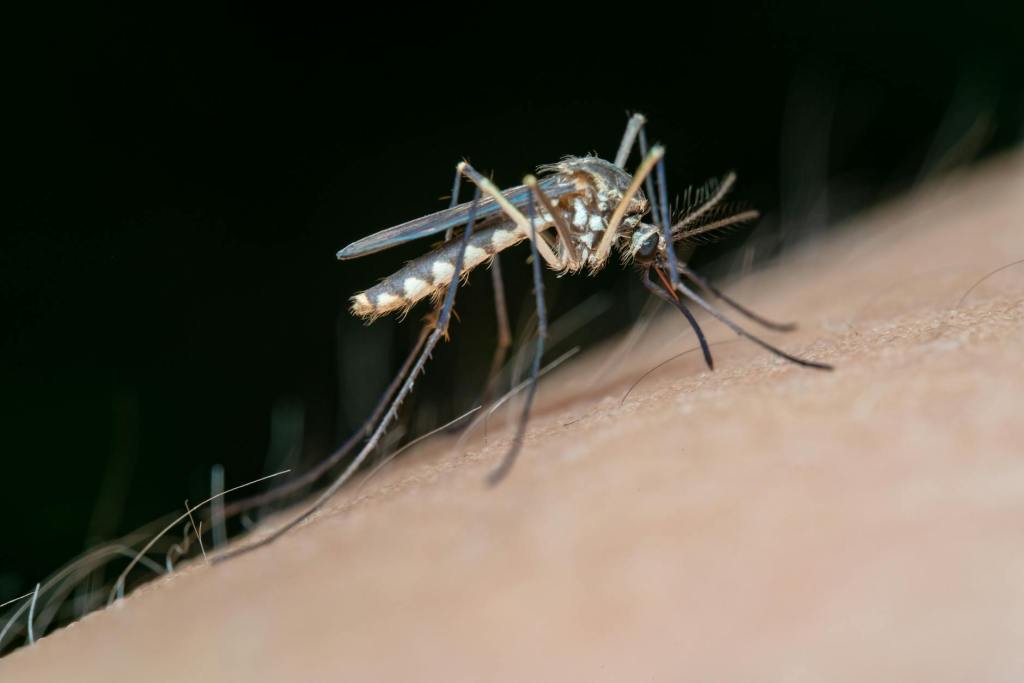
This chapter emphasises the importance of secondary plant compounds (SPCs), which have provided numerous modern medicines and represent a huge untapped resource. It discusses notable examples like Hoodia, curare, and quinine, exploring their historical uses, cultural implications, and the potential for further exploitation while addressing concerns regarding biopiracy.
-
Chapter 8 Health-giving plants
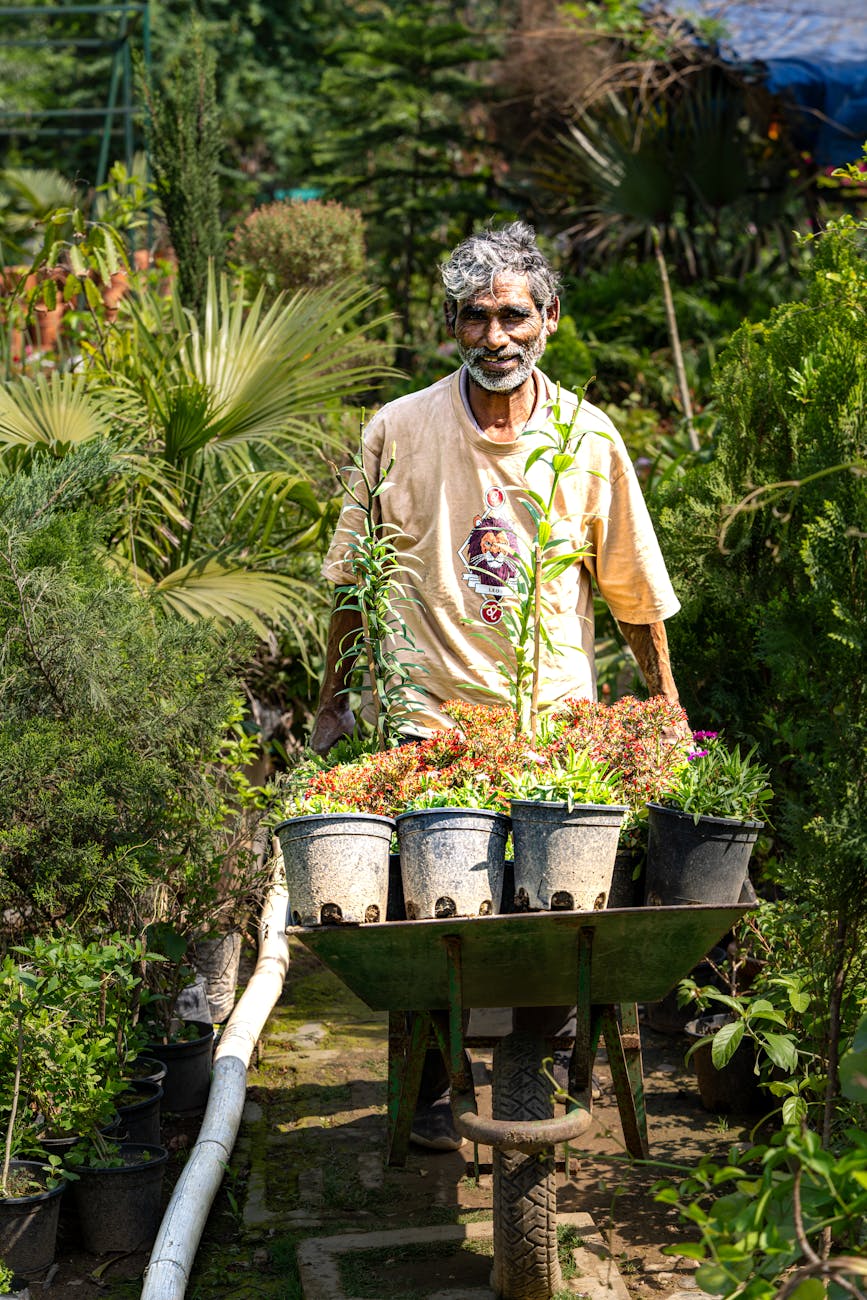
This post explores the multifaceted roles of plants beyond food, emphasising their contributions to leisure activities, health, and well-being. It highlights the importance of grasses in sports, the psychological benefits of green spaces, and the historical significance of gardens. Ultimately, it underscores how plants enhance the lives of people.

