Tag: Pliny the Elder
-

Reading nature’s medicine cabinet
Nature’s Apothecary by Margaret Willes explores the historical roles of apothecaries and the medicinal value of 100 plants, with emphasis upon British herbal traditions. The well-crafted text is full of fascinating insights and illustrations, though it lacks comprehensive sourcing for some claims. Overall, it is an enriching resource on herbalism.
-
Dead men’s shoes don’t walk, but they do talk…
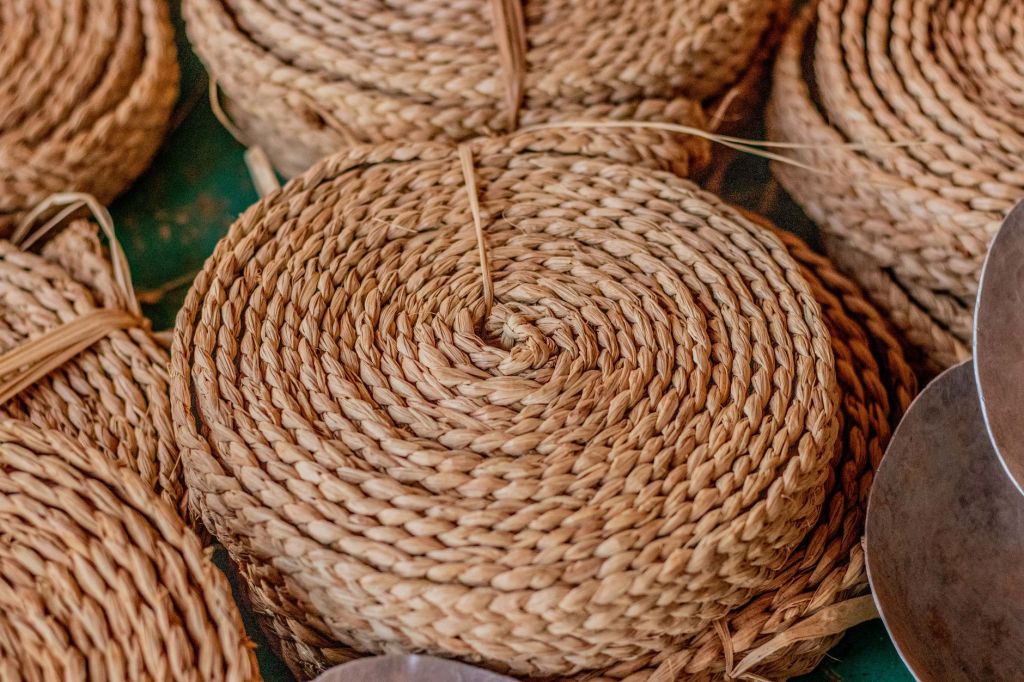
Macarena Bustamante-Álvarez et al., uncovered ancient sandals made from esparto grass at an Iron Age mining site in Spain, dating back 2,400 years. The footwear exhibits skilled craftsmanship with precise design, demonstrating the significance of plant fibres in ancient economies. Unique preservation conditions allowed these artifacts’ survival. [But! there’s so…
-

When volcanology meets plant biology*
Research by Guinn et al. (2024) indicates that volcanic CO2-enhanced plant growth, is detectable via satellite using the NDVI metric. Greener vegetation can be used as a proxy for increased CO2 release from volcanoes, serving as an early warning for volcanic activity. This method can also be used to monitor…
-

The scented statues: Greco-Roman aromatic practices
The post discusses the olfactory heritage of ancient Greco-Roman sculptures, emphasising the use of aromatic oils and perfumes on statues. Research by Cecilie Brøns reveals that scent-enriched religious and secular artworks suggest an intriguing sensory experience beyond their visual appeal, thus inviting further exploration into ancient practices of beautification through…
-

The seed-spreading power of water
After providing some background on water’s unusual properties, this post considers some of the roles of water in plant biology. In particular, it looks at the work of Finn Box et al. on seed dispersal by the squirting cucumber.

