Tag: plant biology
-

Hedging your climate change bets (or, betting your climate-change hedge..?)
The “Superbloom at Carrizo Plain National Monument, 2017” highlights the transient beauty of desert blooms. However, a re-vegetation initiative in the Taklamakan Desert has shown promise as a long-term solution to combat desertification and mitigate climate change by creating a carbon sink. The project emphasises careful management due to potential…
-
Plant-based tips for hunting
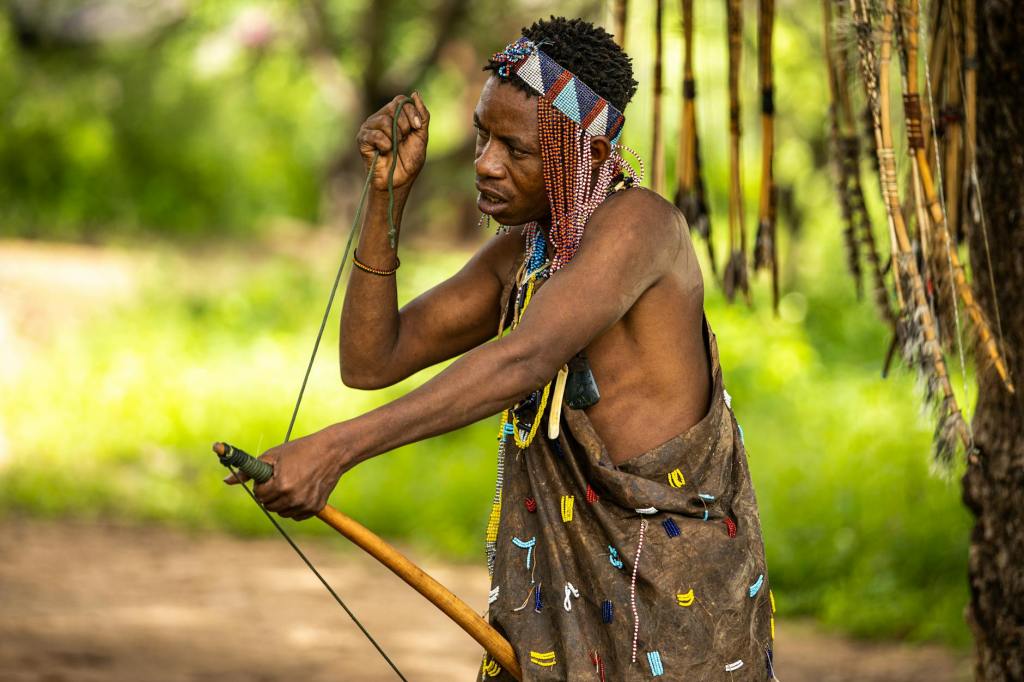
Sven Isaksson et al. have identified toxic alkaloids on stone arrowheads from a rock shelter in Kwa-Zulu Natal. The most likely source of the alkaloids is the ‘poison bulb’, Boophone disticha. Dated to 60,000 years ago, this is the oldest-known evidence of hunting with poisoned arrows in the world.
-

The essentials of plant biology
Essential Plant Biology by Alison Smith et al. offers a comprehensive overview of modern plant biology, emphasizing molecular genetics and biochemistry, crucial for understanding plant function today. Divided into six parts, the book covers topics from plant evolution to environmental interactions, targeting undergraduates with a foundation in molecular biology.
-
Some of 2025’s notable new plants
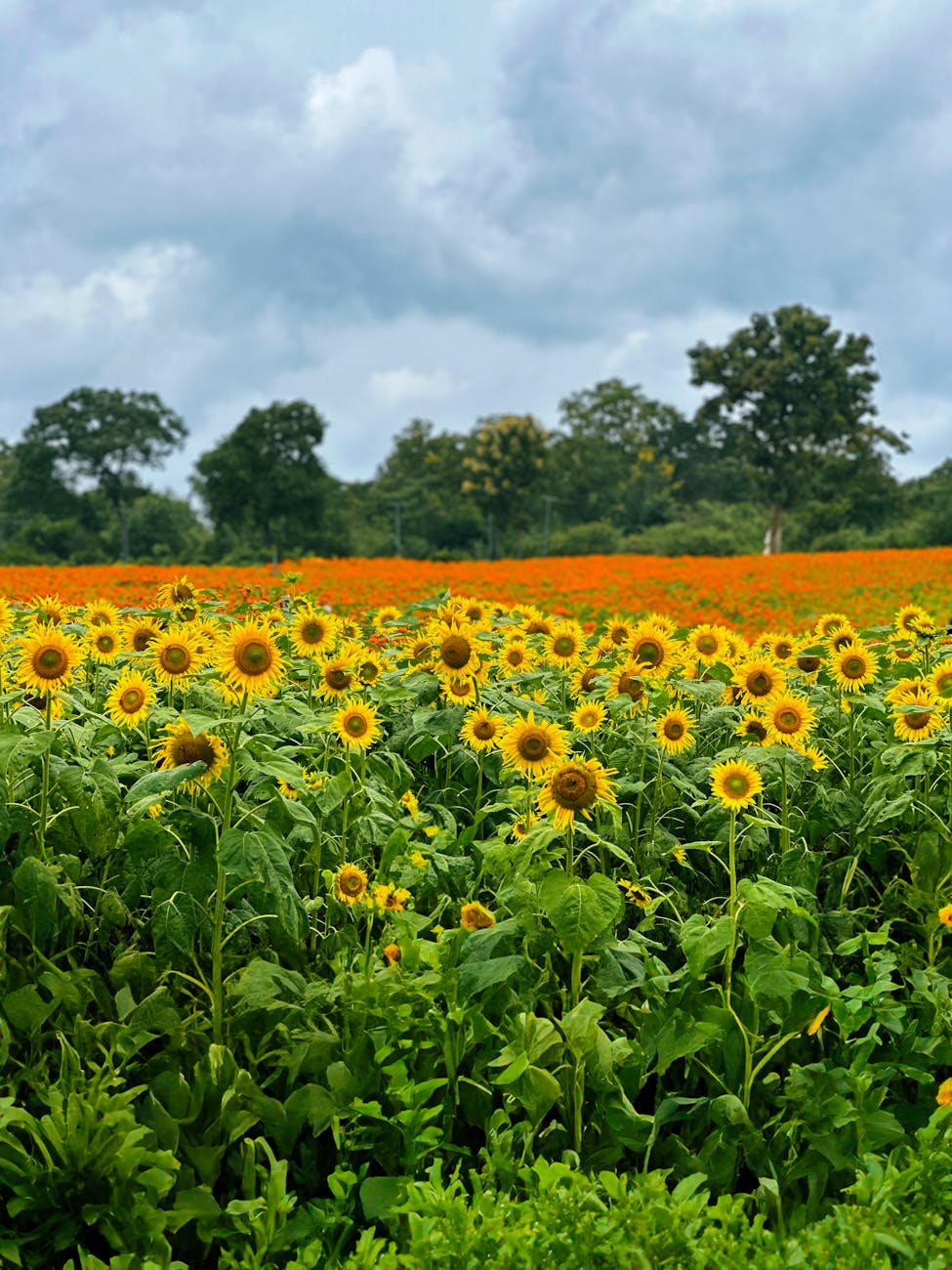
Creating weekly blog posts for Plantcuttings.uk is challenging, especially when facing inspiration blocks. Recently feeling pressured to maintain output levels, Mr Cuttings decided to discuss notable new plant discoveries of 2025. Drawing inspiration to do so from an article by Damian Carrington, he ultimately found renewed satisfaction in the writing…
-
Rare earths: Botany meets geopolitics
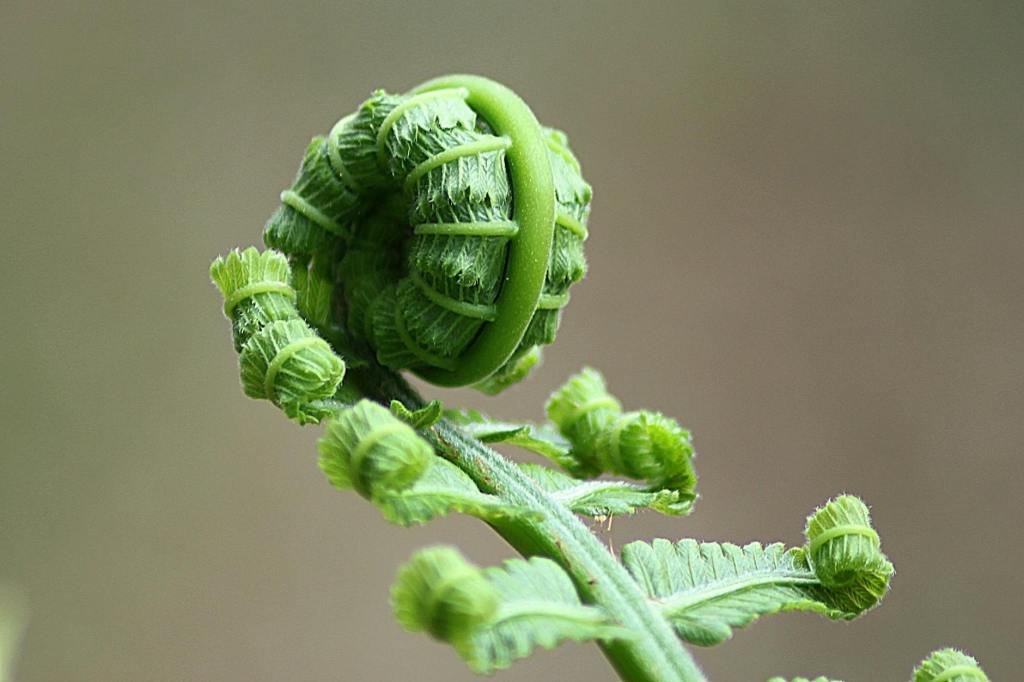
The post discusses He et al., 2025’s work with Blechnum orientale, a fern that accumulates rare earth elements (REEs), in particular the mineral monazite. This discovery raises important questions about plants being a sustainable source for REEs. The post also provides background to REEs, and doesn’t ignore their geopolitical significance.
-

A botanical conundrum solved (sort of…)
The post follows-up on a previous post that considered how much of the plant’s photosynthesis is used in root mucilage production. In particular it discusses the challenges in verifying % claims from Wikipedia and McNear Jr. Mr P Cuttings emphasises careful source citation and acknowledges that the puzzle remains unresolved.
-

The wooden universal Australian
Eucalyptus by Stephen D Hopper uniquely integrates Aboriginal and Western scientific perspectives on eucalypts, offering insights into their cultural significance and ecological roles. The book includes first-hand accounts of Aboriginal practices and contrasts them with European views, emphasizing eucalypts’ importance and advocating for their conservation amid modern threats.
-

A botanical conundrum: HELP, please!
The post discusses the substantial – but source-substantiated – amount of energy plants use secreting root mucilage, estimated at 10-40% of their photosynthesized carbon. Mr P Cuttings expresses scepticism about these high figures, noting lower estimates from earlier studies. To clarify this discrepancy, a full copy of Newman’s 1985 article…
-

The domestication of people by plants…
Robert N. Spengler III’s “Nature’s greatest success” challenges the traditional view of agriculture’s origins, arguing that domestication was not a conscious act by humans but rather an inevitable outcome of plants’ evolution. He emphasises the partnership between plants and people, prompting critical thinking about our agricultural history and the role…
-

A deep dive into seaweed structural colour
Investigating the tips of the red seaweed Asparagopsis taxiformis, Hiroshi Kawai & Taizo Motomura identified presence of ‘nanospheres’. The structural colours of blue or white produced by the nanospheres are interpreted as examples of ‘warning colouration’, and ‘camouflage’, respectively.
 Plant Cuttings