Tag: botany
-

Radishes helping themselves…
SISRH is a self-irrigating and slow-release fertilizer hydrogel developed for sustainable agriculture. It absorbs water vapour at night and releases it during the day, reducing water consumption and enhancing nutrient delivery. Initial experiments with radish show promising results, but further research is needed to determine its impact on larger-scale and…
-

Plant-predating ‘piranha’…
This post discusses the discovery of a vegetarian fish, Myloplus sauron, in a tributary of the Amazon. Contrary to expectations, this piranha-like fish primarily feeds on plants, potentially aiding in the dispersal of plant fragments and seeds. This challenges previous assumptions about the dietary habits of similar fish species.
-

Fern DNA goes to great lengths…
Tmesipteris truncata, a hanging fork fern from New Caledonia, has the largest known eukaryotic genome at 160.45 Gbp. This exceeds the DNA content of humans by over 50 times. A larger genome, however, does not necessarily lead to superior traits, as it can result in slower growth and reduced adaptability…
-

Read all about it: Paper gets better!
This post looks at traditional Japanese paper called washi and its recent modification using polybutylene succinate (PBS) to enhance strength and biodegradability. Despite potential environmental concerns about PBS, “techno-washi” could offer sustainable alternatives in various industries.
-

When chocolate goes viral
Viruses cause significant damage to plants, with cacao trees being particularly vulnerable to the cacao swollen shoot virus disease (CSSVD). This disease threatens global chocolate production, but mathematical research offers hope that appropriate spacing of vaccinated and unvaccinated trees can thwart spread of CSSV.
-

Protective power of moss (etc.)
Yousong Cao et al’s study shows that moss and cyanobacteria biocrusts protect the rammed-earth portions of the Great Wall of China. The biocrusts enhance the wall’s stability and reduce its erosion, emphasizing the crucial role that biocrusts can play in preserving ancient earthen structures.
-

Kew’s imaginative pocketbooks, Part 3
The post concludes Mr P Cuttings’ evaluations of Kew’s Pocketbook series, and considers Carnivorous plants, Festive flora, Palms, and Cacti. Each book features botanical illustrations and introductions by experts but most of them lack the promised detailed annotations. Richly illustrated, the titles here considered – and the series as a…
-
Kew’s imaginative pocketbooks, Part 1
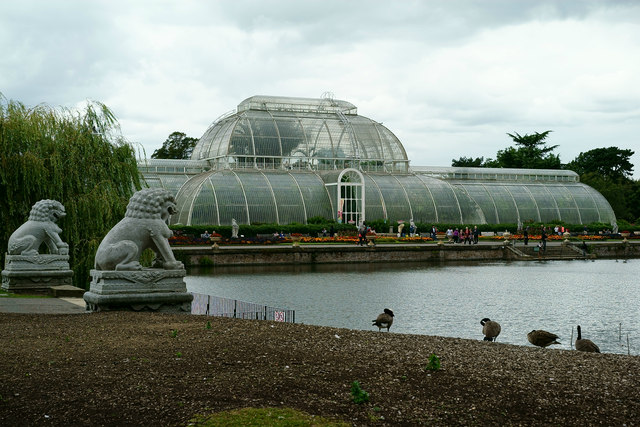
Titles in Kew’s Pocketbook series, featuring books with 40 botanical paintings from Kew’s extensive archive, showcases diverse plant groups and collections. Each book, lavishly includes plant examples, and an expert introduction. Although there is an unevenness in text to accompany the illustrations between titles, the series offers valuable collections of…
-
What’s the beef with hybrid rice?
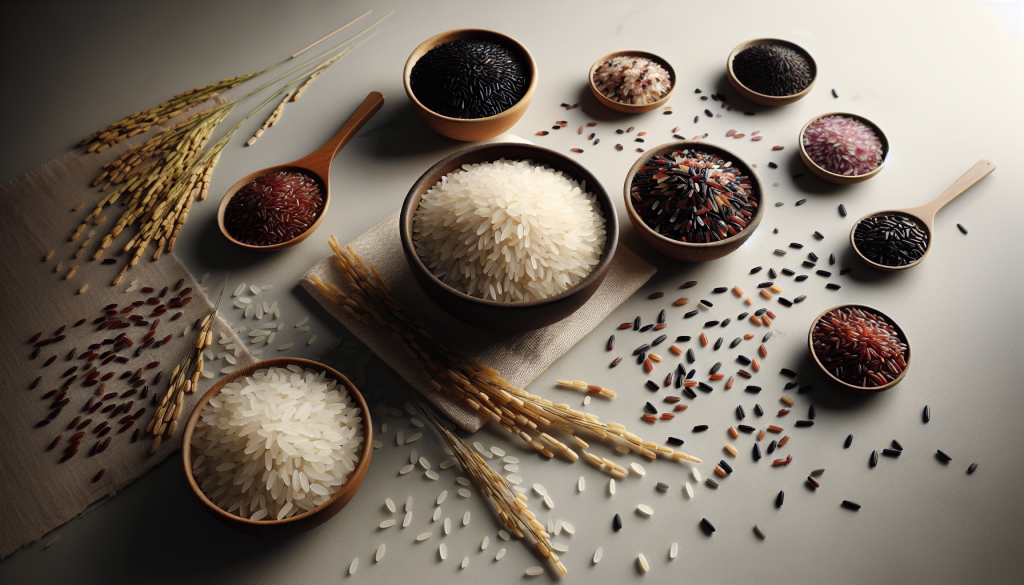
This post discusses various types of coloured rice, including black, purple, blue, yellow, red, and pink rice. It also considers a new “pink rice” created in a laboratory by integrating rice grains with animal cells. Two hopes for this hybrid food are to address concerns around climate change, and provide…
-

Practical ways to tackle plant blindness
In “Things to do with plants: 50 ways to connect with the botanical world,” Emma Crawforth addresses plant blindness and provides practical ways to engage with plants. The book offers 50+ activities divided into seven sections, aiming to enhance plant appreciation. While the lack of sources for statements made is…
 Plant Cuttings