Tag: botany
-

Plants, biting the hand that weeds them…
By way of preamble the post discusses the multiple uses of plant fibres, especially in relation to paper in books and newspapers, and longevity of the printed word. The post then discusses research into what types of paper cause paper cuts, and how the results led to creation of the…
-

The seed-spreading power of water
After providing some background on water’s unusual properties, this post considers some of the roles of water in plant biology. In particular, it looks at the work of Finn Box et al. on seed dispersal by the squirting cucumber.
-

Did Linnaeus invent binomial nomenclature?
The post discusses the origins of binomial nomenclature, often attributed solely to Carl Linnaeus. It reveals that while Linnaeus popularized and standardized the system, earlier forms existed, notably by Caspar Bauhin. The conclusion emphasizes that Linnaeus did not invent binomial nomenclature, but should be credited with its consistent application.
-

Botanical potpourri No. 1
This post explores various plant-based topics, focusing on newly discovered species and their significance. It highlights the discovery of the “Ghost palm” and critically endangered species. Additionally, it discusses forensic botany’s role in uncovering historical uses of plants and the ecological impact of migrating butterflies potentially spreading fungal diseases.
-

Stone is dead. Long live wood!
As we look forward to 2025, Mr P Cuttings reflects on human prehistory and the correctness of the term ‘Stone Age’. Leder et al’s studies at Schöningen suggest it should be renamed the ‘Wood Age’ due to the significance of wooden tools and woodworking skills in early human development.
-

Whisky galore: The tale of shipwrecked spirits
Whisky Galore! is a 1949 British comedy about whisky-deprived Scottish islanders who seize a stranded ship’s cargo. A recent project aims to create whiskey from shipwrecked American rye grains, which tale is told here, This post is also an opportunity – albeit a little early – to raise a toast…
-

Exploring spirals in nature: The maths behind plant growth
The book “Do plants know math?” by Stéphane Douady et al. explores the mathematical principles behind plant spirals, particularly the arrangement of leaves. Not restricted to the maths, it present a rich blend of history, science, and practical activities, to show how scientists, over several centuries, studied – and eventually…
-
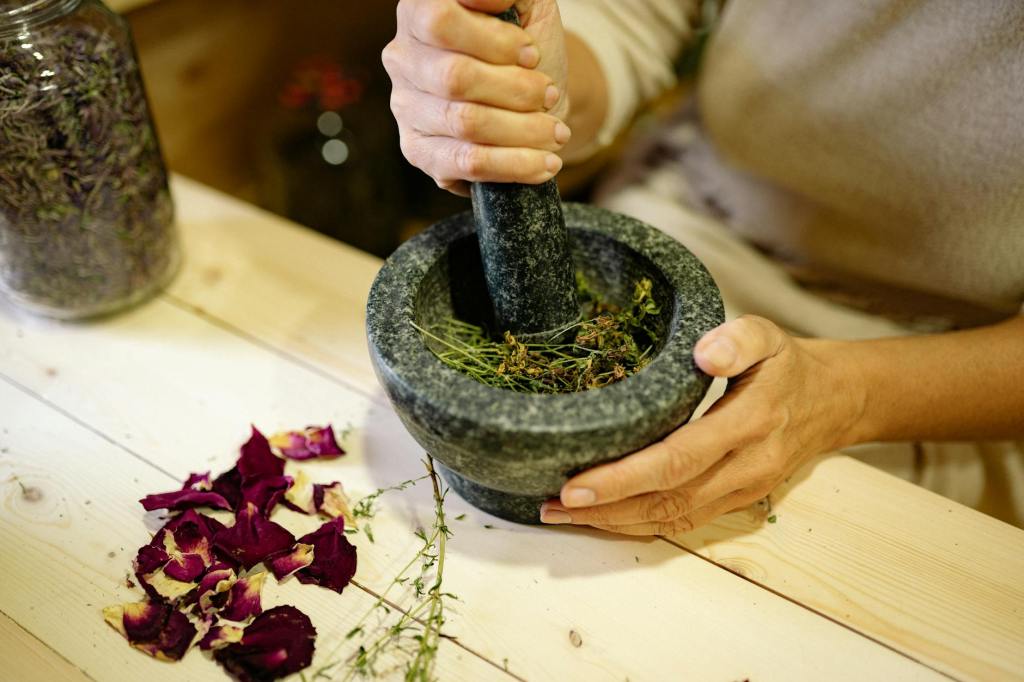
Botanical Origins of Modern Medicines
“Modern medicines from plants,” edited by Henry Oakeley, explores over 50 plants integral to modern prescription drugs. It chronicles the historical use and transition of these plants into medical treatments, detailing the origin stories of various drugs. The book is informative, well-illustrated, and a significant contribution to understanding plant-based medicines.
-

And these are remarkable trees…
The 2024 edition of Remarkable Trees by Christina Harrison and Tony Kirkham offers an extensive exploration of over 60 significant tree species, incorporating fascinating cultural stories. While it features lush illustrations and thorough entries, it lacks clear sourcing for factual statements and shows minimal updates from the previous edition, raising…
-

These plants really are remarkable…
Remarkable Plants by Helen and William Bynum is a richly illustrated exploration of the complex relationships between plants and people. While this 2023 edition repackages their 2014 text with no major updates, it still offers engaging narratives and facts about significant plants and their cultural impacts (and is £5 cheaper…)..
 Plant Cuttings