Tag: botany
-

Celebrating dendrochronology and dendrochronologists
In the Circle of Ancient Trees, edited by Valerie Trouet, explores dendrochronology and its significance through ten extraordinary tree species. The book combines scientific insight with human interest stories from dendrochronologists, highlighting the intertwined relationship between trees and society. Engaging essays are complemented by illustrations, though source citation remains a…
-
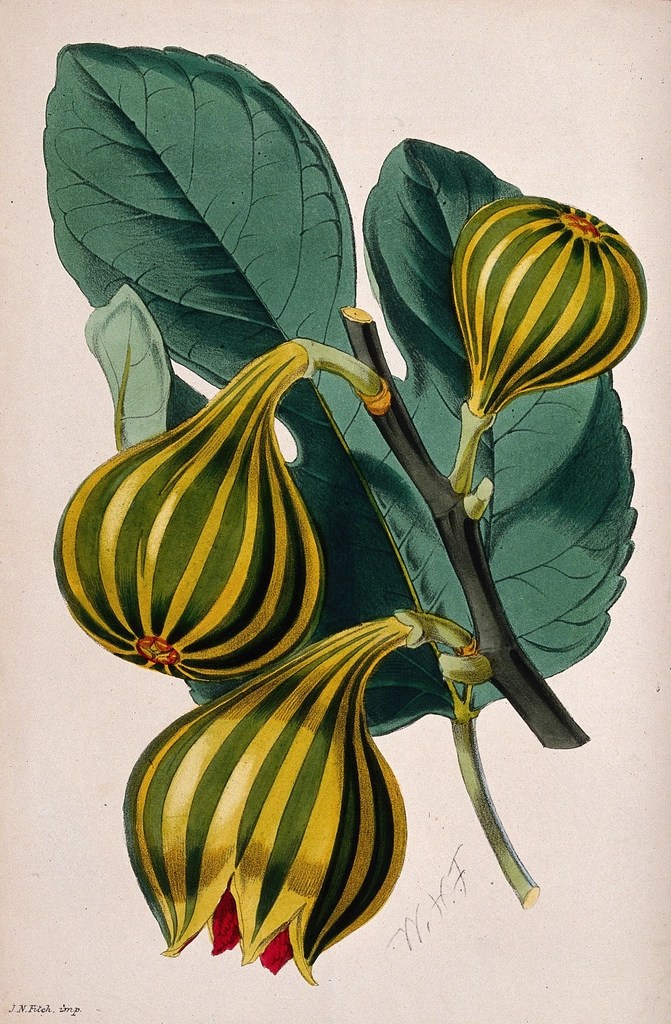
When is a tree not a tree? When it’s a rock(!)
By way of an introduction to “ergastic substances” in plants, Mr P Cuttings considers calcium oxalate and carbonate. And relates this to a report that certain fig trees can sequester such inorganic carbon, potentially maintaining carbon sinks post-death. This biomineralisation could help to mitigate climate change while also benefiting soil…
-
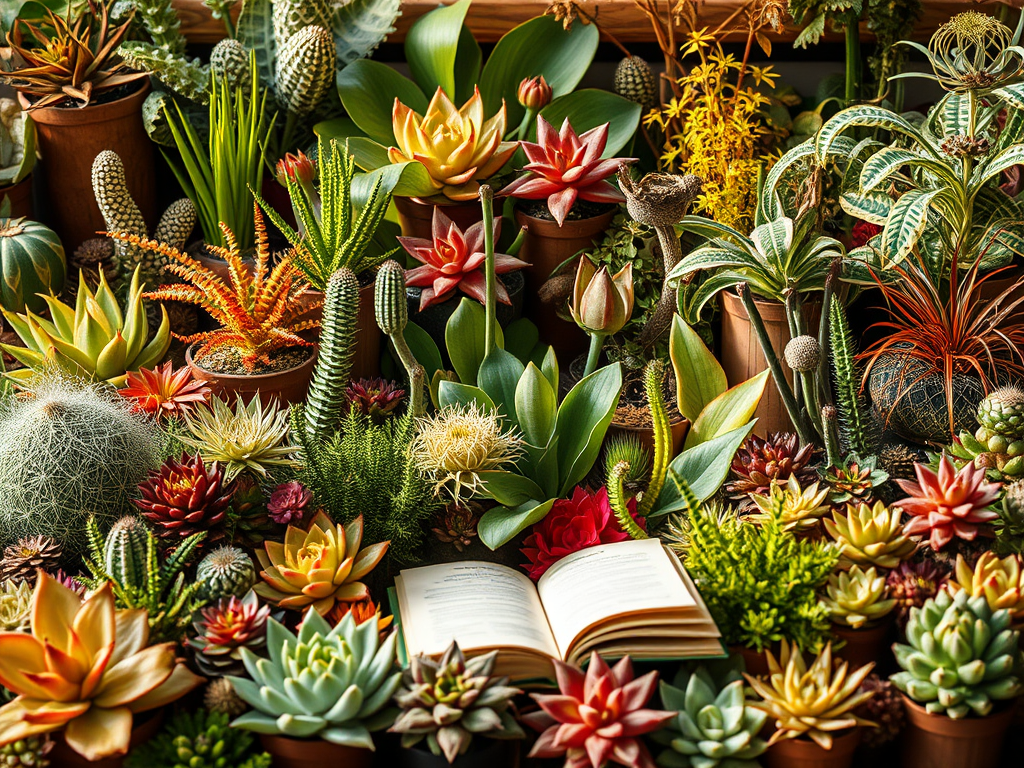
Pulling the stuffing out of plants…
Jonathan Drori’s book, the stuff that stuff is made of, explores the crucial role of plants in human life. Featuring 30 plants, it blends factual information with engaging illustrations, anecdotes, and humour to bridge plant-awareness gaps. Intended for readers aged 7 to 100, it aims to inspire curiosity and appreciation…
-

Obscure fungal photofest
Funga obscura by Alison Pouliot is a beautifully written exploration of fungi, combining evocative text with stunning photography from various global locations. The book offers insights into the ecological significance of fungi, their relationships with other organisms, and the author’s philosophical approach to capturing their essence, making it a captivating…
-

Delivering your daily dose of fungi
“Mushroom Day” by Alison Pouliot is a delightful book featuring 24 essays on distinct fungi, each enriched with illustrations by Stuart Patience. Exploring various aspects of fungi folklore, biology, and conservation, it is written in engaging language. Pouliot aims to rekindle interest in the diverse world of fungi.
-

Tomato or potato, which came first?
This post explores the evolutionary and historical relationship between potatoes and tomatoes, both members of the nightshade family. It briefly discusses their introduction to Europe via the Columbian Exchange, and notes contradictory claims about which arrived first. It then considers the pivotal role of tomato in the development of tubers…
-

A sceptical look at plants
Tim Entwisle’s “The sceptical botanist” is a highly readable collection of essays that address plant-related questions. While the book provides engaging insights, it sometimes lacks sufficient evidence for some of its statements. However, overall, it combines entertaining writing with educational value, appealing to both novice and seasoned botanists.
-

What plant(s) should we study?
This post discusses Arabidopsis thaliana as a prominent model plant, highlighting its many advantages. However, although research on Arabidopsis has advanced understanding of plant biology, researchers are exploring additional model plants to address its limitations and better comprehend diverse plant species and their interactions.
-

Humanity and fungi, a civilising combination?*
Frans Hals’ painting “The Merry Drinker” leads to a consideration of how settled agriculture and alcohol may have influenced the rise of civilizations. Whilst research by Václav Hrnčíř et al. (2025) suggests that traditional alcoholic beverages correlate with political complexity, other factors such as agriculture and religion likely played larger…
-

What insects lack, fungi provide…
The relationship between the lac insect (Kerria lacca) and its symbiotic yeast-like organism (YLS) is crucial for laccaic acid production, a valuable red pigment. Research reveals YLS provides necessary amino acids for pigment synthesis, indicating a mutualistic bond, while the functions of the pigment itself remain unclear.

