Category: plant cutting
-
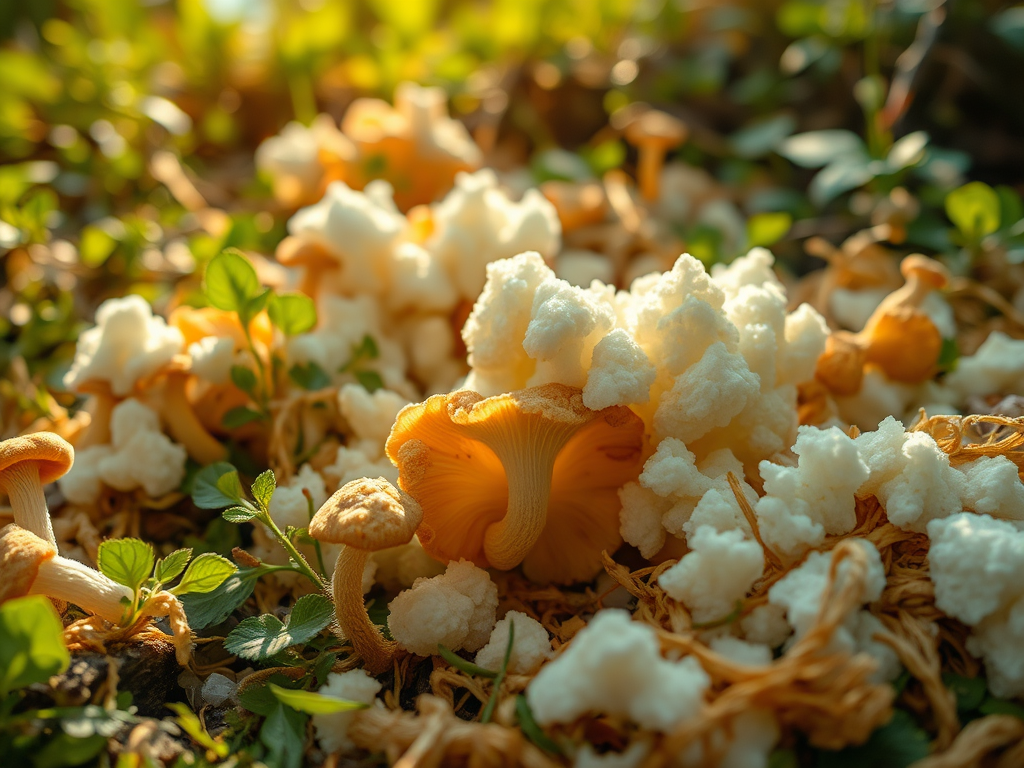
Mycology manages mattress mountain…
Every day, over 50,000 mattresses are discarded in the US, contributing significantly to landfill waste as they take up to 120 years to decompose. Innovative research explores use of fungi to convert mattress materials into sustainable insulation, highlighting potential benefits for recycling and environmental sustainability in the mattress industry.
-
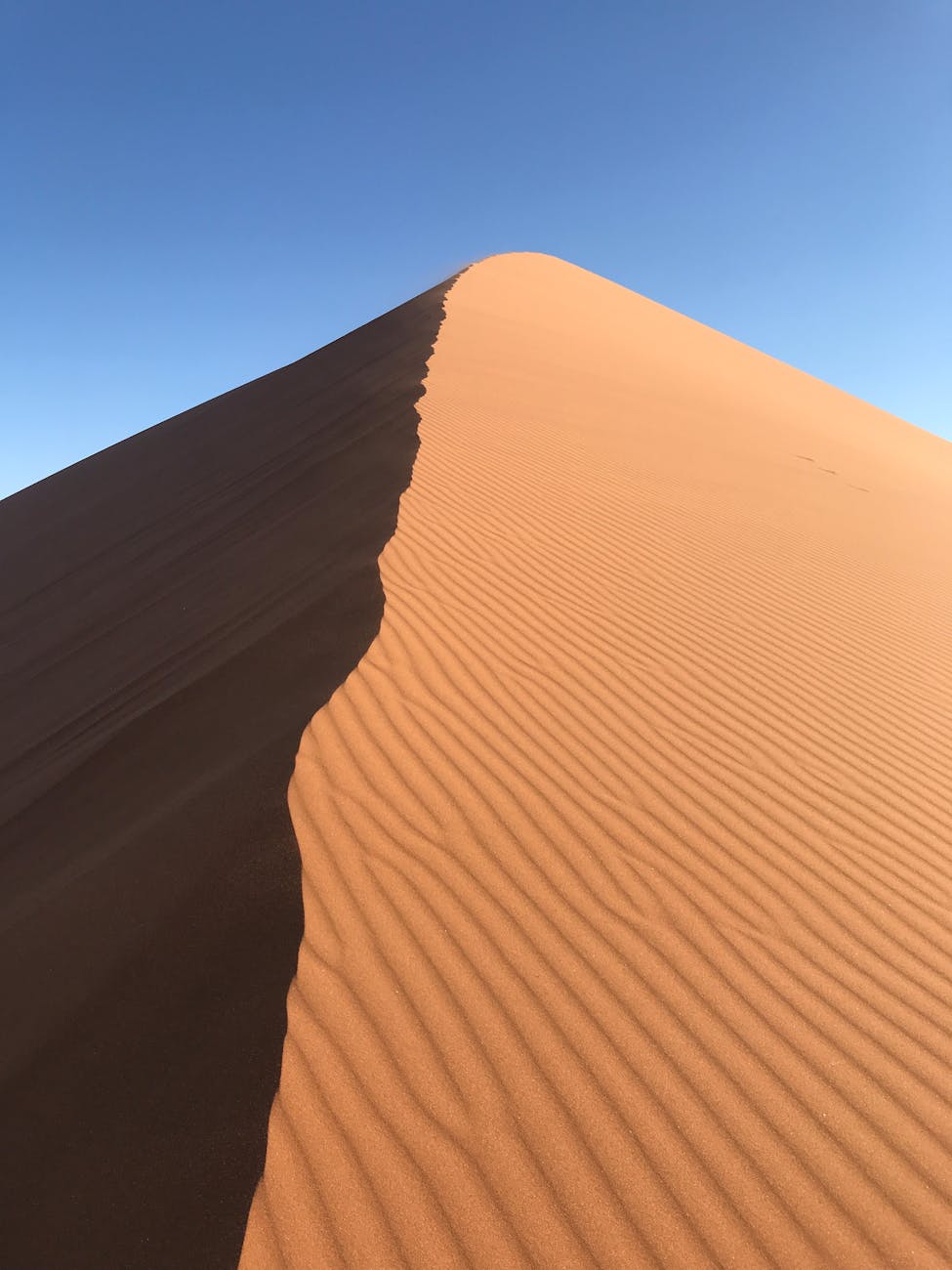
Hedging your climate change bets (or, betting your climate-change hedge..?)
The “Superbloom at Carrizo Plain National Monument, 2017” highlights the transient beauty of desert blooms. However, a re-vegetation initiative in the Taklamakan Desert has shown promise as a long-term solution to combat desertification and mitigate climate change by creating a carbon sink. The project emphasises careful management due to potential…
-

Wood Age technology unearthed in southern Greece
The discovery at Marathousa 1 in Greece by Annemieke Milks et al. reveals evidence of the earliest known use of wooden handheld tools by hominins, dated to 430,000 years ago. Researchers analysed two distinct wooden artefacts suggesting functions like digging and possibly processing animal carcasses. The findings highlight the ingenuity…
-

Getting to the bottom of elite coffees
Kopi luwak is a speciality coffee with a unique flacvour, made from ‘beans’ ingested and excreted by the Asian palm civet. Research by Mitra et al. (2025) suggests significant chemical differences between civet and traditional coffee, largely influenced by microbial fermentation in the civet’s gut. Understanding these differences could lead…
-
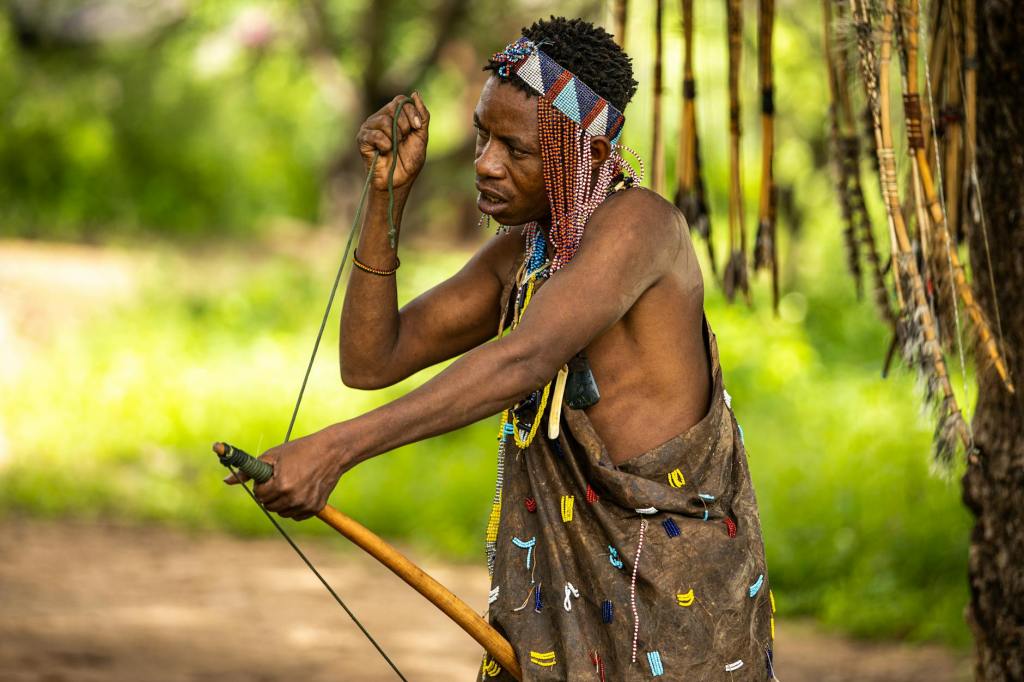
Plant-based tips for hunting
Sven Isaksson et al. have identified toxic alkaloids on stone arrowheads from a rock shelter in Kwa-Zulu Natal. The most likely source of the alkaloids is the ‘poison bulb’, Boophone disticha. Dated to 60,000 years ago, this is the oldest-known evidence of hunting with poisoned arrows in the world.
-

Can pollen save coral reefs?
Traditional sunscreens harm marine life, particularly corals. A new eco-friendly sunscreen using sporopollenin from tea pollen – developed by Chungmo Yang et al. – demonstrates effective UV protection without bleaching corals. This presents a potentially sustainable solution to mitigate environmental damage caused by conventional sun-blocking products.
-
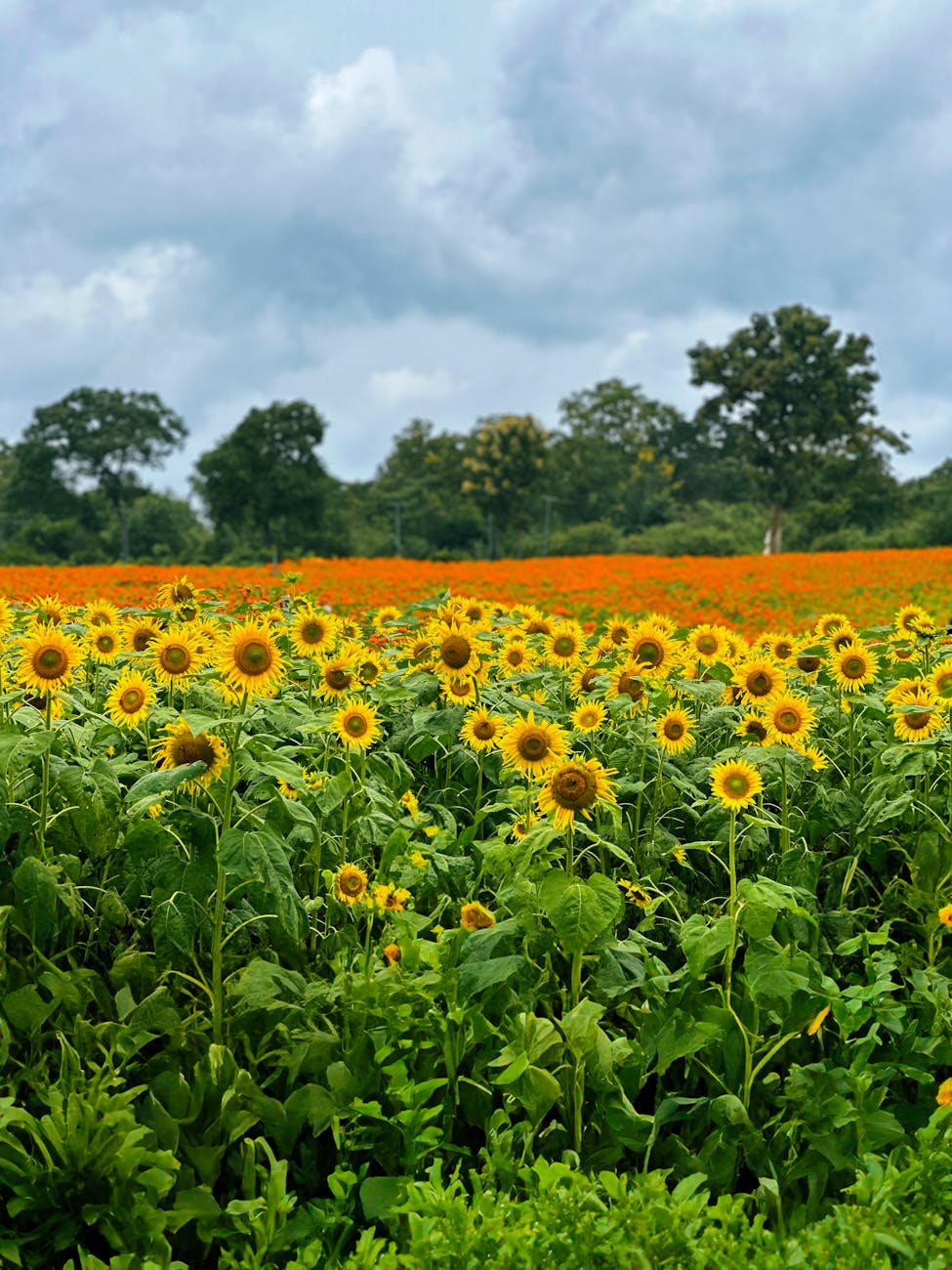
Some of 2025’s notable new plants
Creating weekly blog posts for Plantcuttings.uk is challenging, especially when facing inspiration blocks. Recently feeling pressured to maintain output levels, Mr Cuttings decided to discuss notable new plant discoveries of 2025. Drawing inspiration to do so from an article by Damian Carrington, he ultimately found renewed satisfaction in the writing…
-

Plants light up your life (and night…)
Shuting Liu et al. (2025) explore the potential of engineered luminescent plants, specifically Echeveria ‘Mebina’. Injected with phosphorescent particles, these plants can absorb sunlight and emit light in various colors. While promising for sustainable lighting, challenges include labour-intensive production and the impact on plant physiology, limiting widespread application.
-
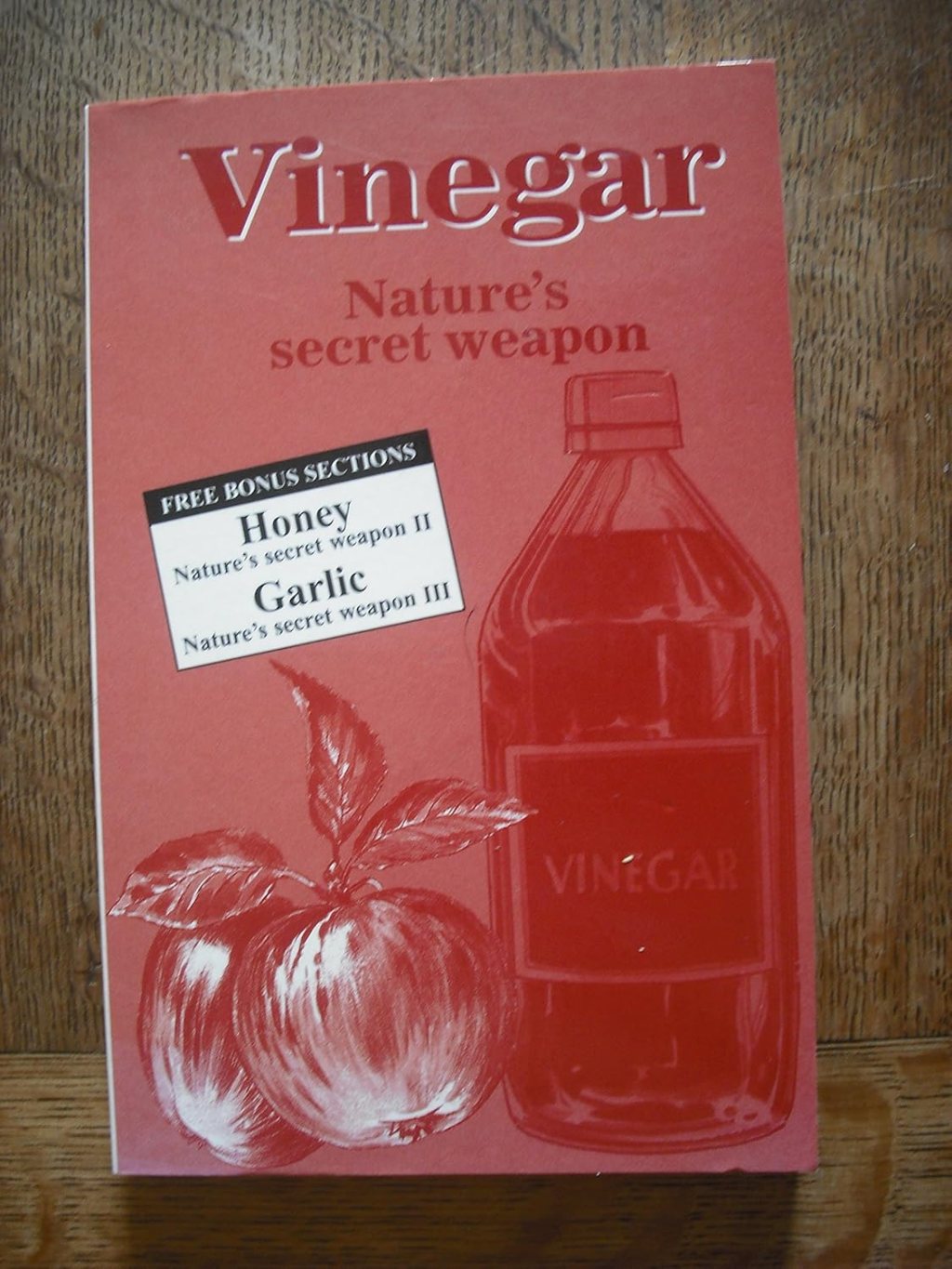
The killing power of spoiled wine
The article explores the transformation of vinegar, traditionally used for disinfection, into a more effective antibacterial agent by combining it with cobalt-doped carbon quantum dots. This innovative approach shows promise against antibiotic-resistant bacteria and highlights the urgent need for new microbial resistance solutions amid increasing health threats globally.
-

Prize-winning plant work
The post discusses the Ig Nobel Prize winners of 2025, highlighting their humorous yet insightful research related to plants and food. It emphasizes the absence of specific Nobel Prizes for botany, despite notable plant scientists obtaining Nobel recognition. The post reflects on the lighter side of science, showcasing how fun…
 Plant Cuttings