Category: book review
-

The essentials of plant biology
Essential Plant Biology by Alison Smith et al. offers a comprehensive overview of modern plant biology, emphasizing molecular genetics and biochemistry, crucial for understanding plant function today. Divided into six parts, the book covers topics from plant evolution to environmental interactions, targeting undergraduates with a foundation in molecular biology.
-
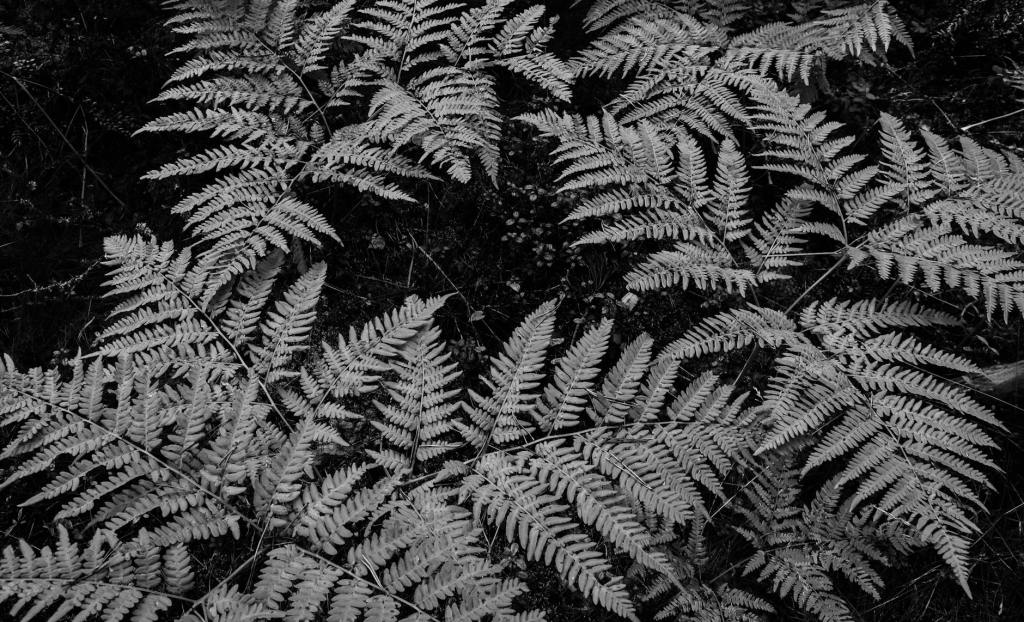
A super book about fern biology
Ferns: Lessons in Survival From Earth’s Most Adaptable Plants by Fay-Wei Li & Jacob S Suissa, illustrated by Laura Silburn, explores fern biology, diversity, and evolution. The book combines engaging text with extensive illustrations, making it visually appealing and informative. Although technical at times, it serves as an excellent introduction…
-

The wooden universal Australian
Eucalyptus by Stephen D Hopper uniquely integrates Aboriginal and Western scientific perspectives on eucalypts, offering insights into their cultural significance and ecological roles. The book includes first-hand accounts of Aboriginal practices and contrasts them with European views, emphasizing eucalypts’ importance and advocating for their conservation amid modern threats.
-

What are gardens for..?
The green fuse by Peter Dale explores gardens through a philosophical and cultural lens, emphasizing their connections with literature, music, and art. Challenging yet rewarding, the book enriches readers’ understanding of gardens beyond utilitarian functions, presenting deep insights and beautiful prose. It’s a significant contribution to the plants-and-people discourse.
-

The domestication of people by plants…
Robert N. Spengler III’s “Nature’s greatest success” challenges the traditional view of agriculture’s origins, arguing that domestication was not a conscious act by humans but rather an inevitable outcome of plants’ evolution. He emphasises the partnership between plants and people, prompting critical thinking about our agricultural history and the role…
-

24 hours in the botanical 8th continent
Tree day by Meg Lowman explores the intricate biology and ecology of trees, focusing on 24 species through personal anecdotes and insights from her extensive fieldwork. The book emphasizes the ecological significance of tree canopies and is a charming introduction to tree biology, and the daily life of an arbornaut.
-

Celebrating dendrochronology and dendrochronologists
In the Circle of Ancient Trees, edited by Valerie Trouet, explores dendrochronology and its significance through ten extraordinary tree species. The book combines scientific insight with human interest stories from dendrochronologists, highlighting the intertwined relationship between trees and society. Engaging essays are complemented by illustrations, though source citation remains a…
-
Pulling the stuffing out of plants…
Jonathan Drori’s book, the stuff that stuff is made of, explores the crucial role of plants in human life. Featuring 30 plants, it blends factual information with engaging illustrations, anecdotes, and humour to bridge plant-awareness gaps. Intended for readers aged 7 to 100, it aims to inspire curiosity and appreciation…
-

Obscure fungal photofest
Funga obscura by Alison Pouliot is a beautifully written exploration of fungi, combining evocative text with stunning photography from various global locations. The book offers insights into the ecological significance of fungi, their relationships with other organisms, and the author’s philosophical approach to capturing their essence, making it a captivating…
-

Delivering your daily dose of fungi
“Mushroom Day” by Alison Pouliot is a delightful book featuring 24 essays on distinct fungi, each enriched with illustrations by Stuart Patience. Exploring various aspects of fungi folklore, biology, and conservation, it is written in engaging language. Pouliot aims to rekindle interest in the diverse world of fungi.
 Plant Cuttings