Category: plant cutting
-
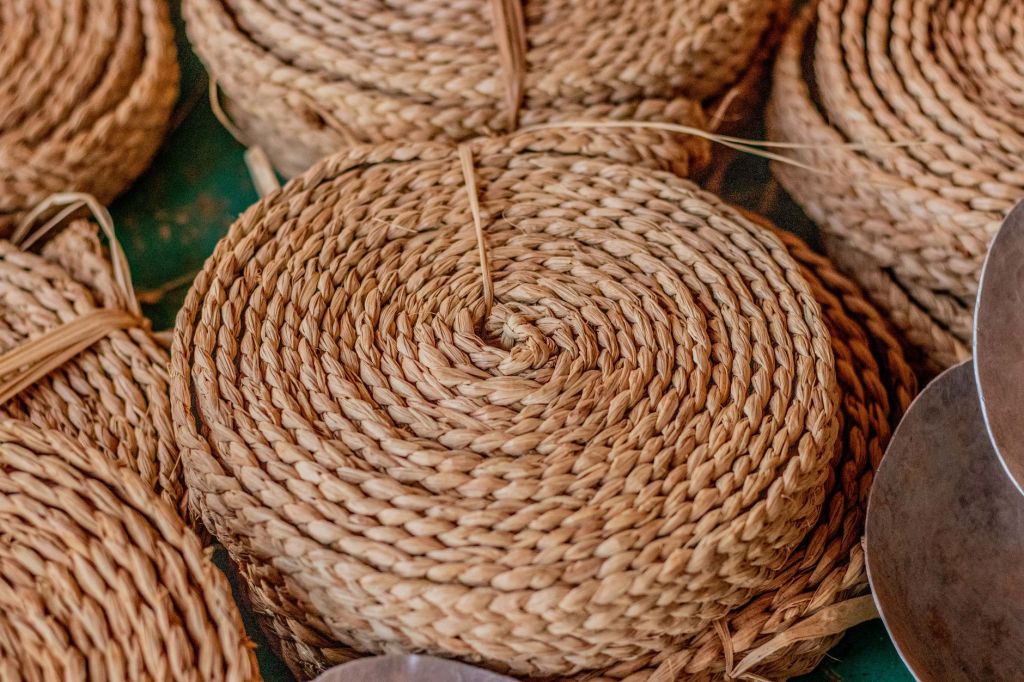
Dead men’s shoes don’t walk, but they do talk…
Macarena Bustamante-Álvarez et al., uncovered ancient sandals made from esparto grass at an Iron Age mining site in Spain, dating back 2,400 years. The footwear exhibits skilled craftsmanship with precise design, demonstrating the significance of plant fibres in ancient economies. Unique preservation conditions allowed these artifacts’ survival. [But! there’s so…
-
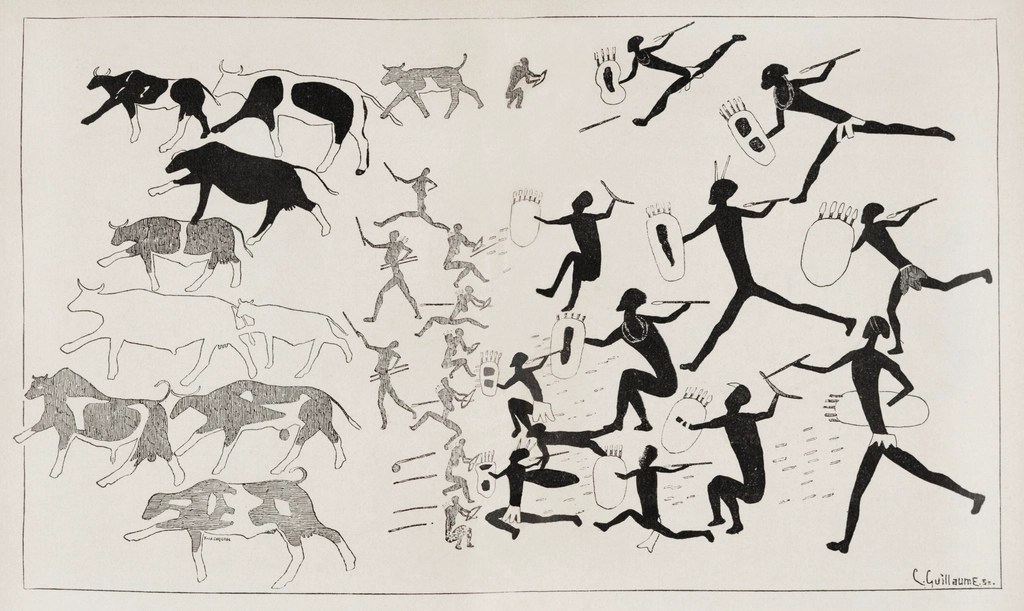
The original illuminati?*
This post’s main focus is the study by Arobba et al. that investigates how five hunter-gatherers in Italy used small pine twigs for lighting caves over 14,000 years ago. This research combines analysis of ancient remnants and experimental archaeology, showing that the twigs provided sufficient light for navigation, enhancing our…
-

Further reading
This resource list includes bibliographic materials and web-based sources that influenced the author’s work, highlighting books on plants’ history, biology, and significance. While some sources are cited for factual accuracy, many served as inspiration or background. The author hopes this collection helps those seeking further information on botanical topics.
-

Literature cited
This listing is citation details primarily for the scientific articles cited within the book’s text.
-

“miserable, naked, hungry”, concluding a timely celebration of plants
The book emphasises the importance and diversity of plants, showcasing their roles in ecosystems, photosynthesis, and human relationships. It explores plants’ structural ingenuity, adaptability, and intelligence, while addressing their contributions to food security, art, and medicine. Ultimately, it advocates for increased awareness and funding for plant research to ensure a…
-

Chapter 10 Spices, slavery, smoking, Stalinism, and sugar: A darker side to plants and people
The relationship between humans and plants, particularly regarding cash crops like sugarcane, tobacco, and cotton, reveals a complex history of exploitation and suffering. The industrial-scale cultivation of these plants has ties to slavery and has contributed to modern health issues, while simultaneously shaping ideologies such as communism and capitalism.
-
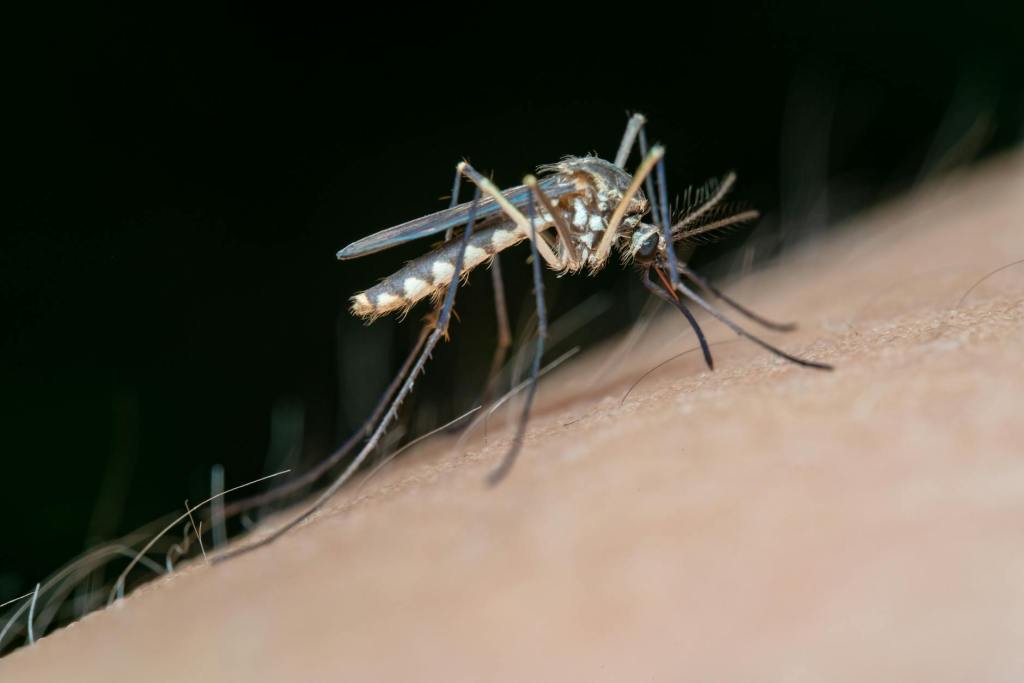
Chapter 9 Curare, quinine, and hoodia: Primary importance of secondary plant compounds
This chapter emphasises the importance of secondary plant compounds (SPCs), which have provided numerous modern medicines and represent a huge untapped resource. It discusses notable examples like Hoodia, curare, and quinine, exploring their historical uses, cultural implications, and the potential for further exploitation while addressing concerns regarding biopiracy.
-
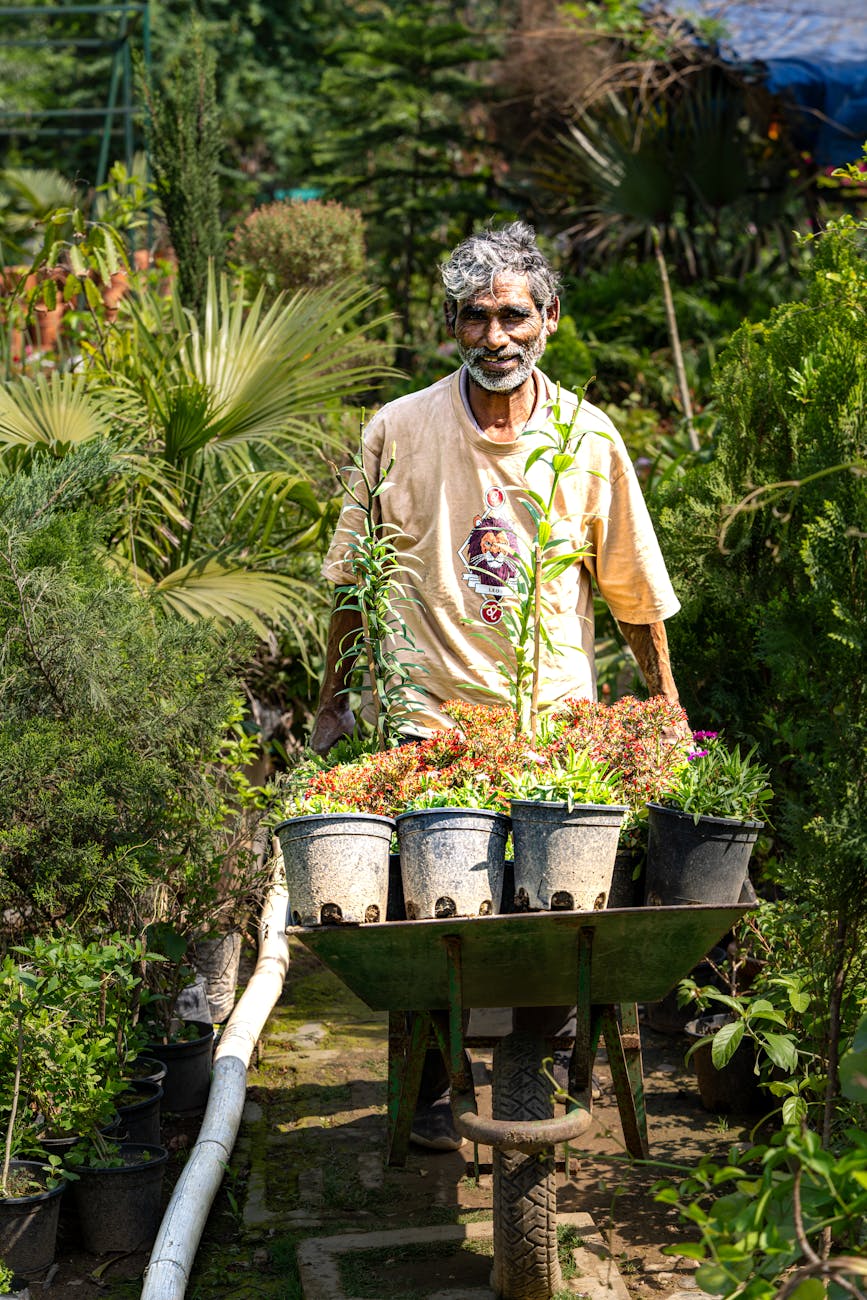
Chapter 8 Health-giving plants
This post explores the multifaceted roles of plants beyond food, emphasising their contributions to leisure activities, health, and well-being. It highlights the importance of grasses in sports, the psychological benefits of green spaces, and the historical significance of gardens. Ultimately, it underscores how plants enhance the lives of people.
-
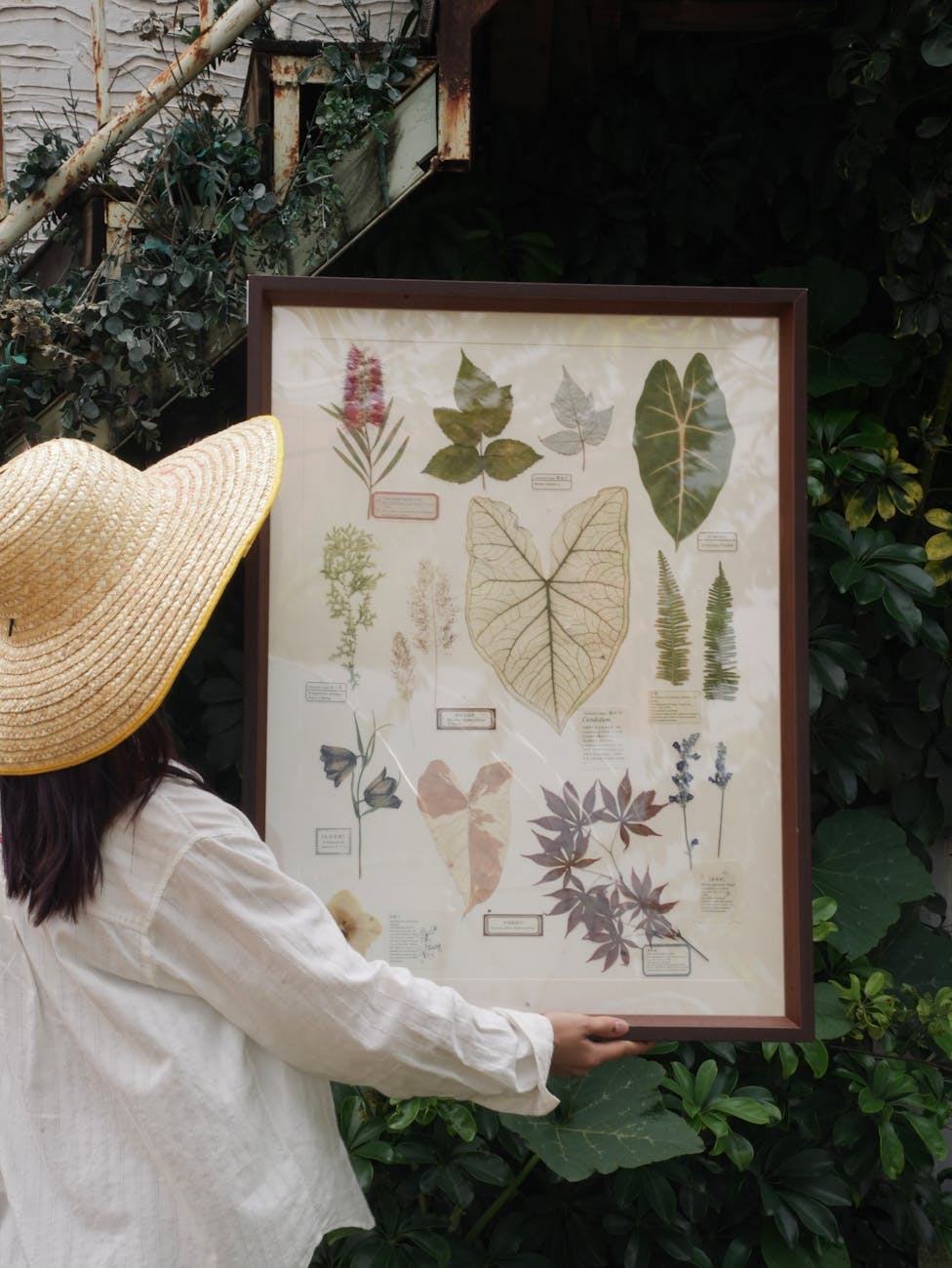
Chapter 7b Plants and the artistic imperative
The post explores the multifaceted cultural significance of plants in art, writing, and plant names. It highlights examples like Cheilanthes lindheimeri’s reclassification to Gaga, the presence of plants in poetry from Ovid to Darwin (Erasmus), and their portrayal in art ranging from van Gogh to botanical illustrations. Plants have influenced…
-

Chapter 7a Plants and the agricultural imperative
Rice, a vital food staple, supports half of the global population and illustrates the integral role of agriculture in human survival and civilisation. While agriculture fosters artistic development, reliance on a few crops raises concerns about food security. Challenges include disease risks and environmental sustainability, emphasising the need for diverse…
 Plant Cuttings