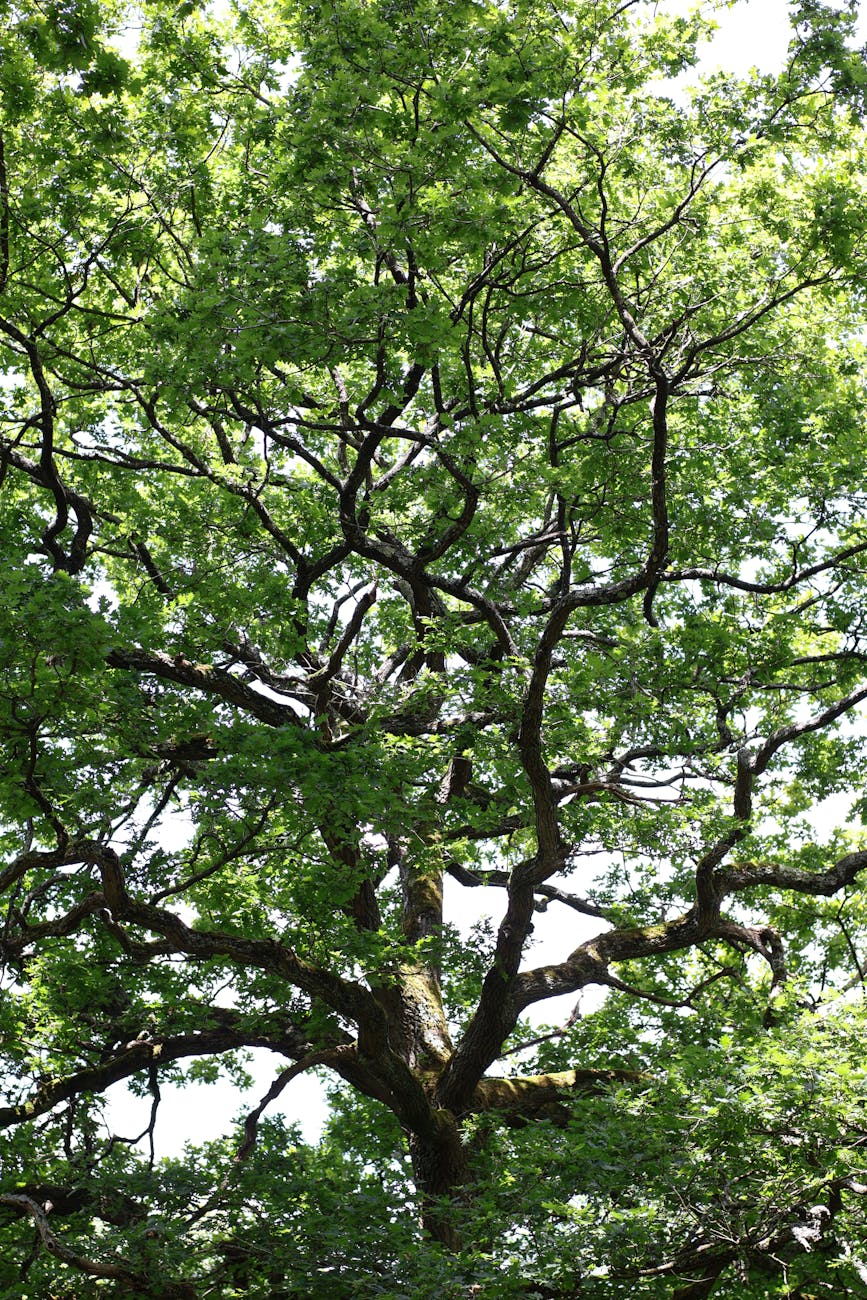
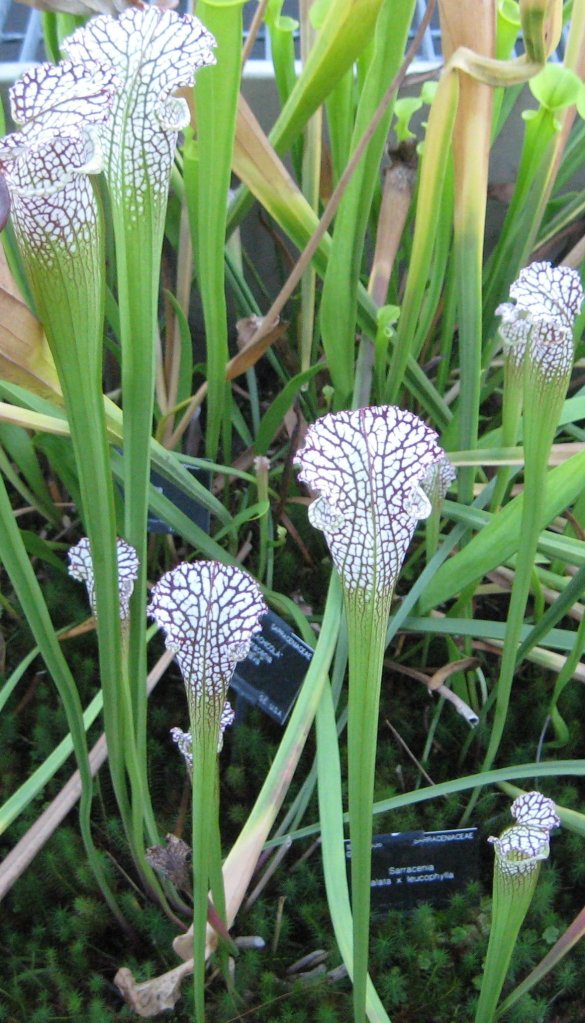
The energy-rich compounds made by plants in photosynthesis makes them an obvious target for the attentions of hungry animals who are unable to manufacture their own food. However, some plants are able to feed on animals; carnivorous plants – such as this Sarracenia – benefit in particular from the additional nitrogen obtained from devouring insects.
This chapter considers oxygen, the so-called ‘waste product’ of photosynthesis, and photosynthesis itself. Oxygen is a simple molecule that consists of two atoms of that element, and is commonly represented by its shorthand formula, O2. Yet, for all its seeming simplicity, release of oxygen by photosynthesis created the conditions on Earth that greatly facilitated the evolution of animals. This chapter discusses the great debt that is owed by the majority of life forms to plants and their photosynthetic endeavours via primary productivity. This chapter also introduces ideas of ways in which photosynthesis might be ‘improved’ to meet the needs of an expanding human population, and also underlines the need for more plant scientists to effect those changes.
One of the most understated statements in chemistry must be the following:
CO2 (carbon dioxide) + H2O (water) + light → [CH2O] (‘sugar’) + O2 (oxygen)
That – admittedly, rather simplistic, and definitely over-simplified – representation – is the way in which the world’s most wonderful combination of photobiology and biochemistry is often expressed.
It is the ‘equation’ for photosynthesis (P/S), the process that converts electromagnetic energy in sunlight into a chemical form within organic molecules, and which fuels – quite literally – not just the individual plants that use it for their own growth and nutritional needs, but the great majority of ecosystems and food webs on the planet.
Leaving aside the important fixing of inorganic carbon dioxide into organic carbon-based molecules – the creation of ‘food’ – this chapter will focus initially on the importance of the oxygen that is produced. Although effectively generated as a waste product of P/S (Douglas Wilkin & Barbara Akre) it is easy to forget that this gas is vital, not only to the survival of all aerobic organisms – Man included! – but also was instrumental in creating the conditions on the ancient Earth which helped drive the evolution of myriad forms of life (Timothy Lenton, 2003). Not to say that we have angiosperms to thank for that, but the archaic organisms – that eventually gave rise to the members of the plant kingdom – were instrumental in developing and adopting oxygenic P/S many aeons ago. And that not only converted the earth’s atmosphere from a reducing to an oxidising one, but also helped to create the conditions in which new forms of life could develop and flourish.
Photosynthesisers, drivers of evolution
Whilst the production of plant – hence animal – biomass may be regarded as the most important modern-day use of P/S, arguably, it is the oxygen-generation component that was more important historically, and which extends this review’s remit beyond members of the Kingdom Plantae to the cyanobacteria. As bacteria, the cyanobacteria are members of the Eubacteria, and quite unlike true plants in many regards. But, in at least one crucial respect, they are similar to plants; they photosynthesise using H2O as an electron donor (Gary Kaiser) and ‘excrete’ oxygen, i.e., they undergo oxygenic photosynthesis, essentially the same process undertaken by proper land plants. And just as the development of a land flora helped to shape the terrestrial environment (see previous chapter), so ancient cyanobacteria arguably provided the starting point for that. To fully appreciate the magnitude of the events those microbes precipitated, we need to travel back nearly 3 billion (thousand million) years.
Thanks to the activities of photosynthetic cyanobacteria the Earth’s atmosphere has apparently been oxygenated since the ‘Great Oxidation Event’ (GOE) of approx. 2.4 Ga (billions of years) ago (Roger Buick, 2008; Kartik Aiyer). Although photosynthetic oxygen production likely evolved well before then, dating its appearance on the planet is difficult; Hwan Su Yoon et al. (2004) propose a late Paleoproterozoic (1.8 – 1.6 Ga) origin of photosynthetic eukaryotes. Subsequent to, but considered to be contingent upon, this first Great Oxidation Event is a concomitant increase in multicellularity and increased complexity of organisms, as exemplified by the fauna of the Ediacaran period (approx. 635 – 541 MYA [millions of years ago]) (Shuhai Xiao & Marc Laflamme, 2008).
There is evidence of another large increase in O2 occurred during the Devonian Period – approx. 400 MYA – which correlates with the diversification of vascular plants on land, and coincides with a pronounced increase in diversity of large predatory fish (which have high oxygen demand) (Tais Dahl et al., 2010). It is inferred that this Devonian oxygenation is largely due to the photosynthetic activities of terrestrial plants and this in turn may be partly responsible for evolution of larger animals. Finally – by way of emphasising the point – Paul Falkowski et al. (2005) (and scicomm commentary thereupon here) present evidence for other relatively rapid rises in atmospheric oxygen in the early Jurassic (201 – 174 MYA) and Eocene (56 – 34 MYA) which “was a critical factor in the evolution, radiation, and subsequent increase in average size of placental mammals”.
Clearly, oxygen – apparently derived from P/S – is seen as a very important abiotic factor that in some way promotes evolution; i.e., “The emergence of molecular oxygen as a significant constituent of the Earth’s atmosphere was an epic event for both the biosphere and geosphere, and paved the way for the evolution of animal life” (Alex Sessions et al., 2009). Hand-in-hand with increasing organismal structural complexity was development of more complex biochemical networks, either the development of new aerobic ones or modification of existing anaerobic ones (Paul Falkowski, 2006). A related phenomenon – which may have led to the preservation of the favoured races that evolved on earth – was the build-up of ozone in the atmosphere as oxygen levels rose (Timothy Lenton, 2003). Ozone – a molecule that consists of three oxygen atoms – dramatically acts as a ‘filter’ for much of the damaging ionising ultraviolet radiation from the sun (Kendric Smith, 2011a]), which would otherwise cause considerable harm to living organisms.
Let there be no doubt, this Great Oxidation Event (or, rather, the extended period during which several events culminated in an increase in oxygen levels – Lee Kump et al., 2011) of increasing oxygenation was arguably one of most important events in the history of life on Earth. And it’s almost entirely down to photosynthetic organisms (which ultimately gave rise to plants – Sven Gould et al., 2008; Andreas Weber & Katherine Osteryoung, 2010).
Snowball Earth
Throughout the Archaen Era (4 – 2.5 Ga) – i.e., before the GOE – the Earth was enveloped in a reducing atmosphere in which methane – a major greenhouse gas (GHG) (Michael E Mann) – featured prominently (Aubrey Zerkle et al., 2012). However, this was oxidised to CO2 as global oxygenation continued. Whilst CO2 is also a GHG, it is much less potent than CH4 [methane] (Michael E Mann). Consequently, a period known as ‘Snowball Earth’ ensued (Robert Kopp et al., 2005) with two great cooling events between 2.4 Ga and 580 MYA, which probably delayed an explosion of evolutionary experimentation capitalising upon this aerobic opportunity for some time. Subsequently, Timothy Lenton et al. (2012) (and scicomm commentary thereupon here) propose that marked onset of glaciations in the Late Ordovician period (approx. 450 MYA) was triggered by the expansion of non-vascular land plants at that time which accelerated chemical weathering and may have drawn down enough atmospheric carbon dioxide to trigger the growth of ice sheets.
Whether our planet was ever in fact Snowball, or ‘Slushball’, Earth, the details of ancient colden days (and which are still hotly debated) are beyond the scope of this review. However, they do hint at the important inter-relatedness between the Earth’s carbon and oxygen cycles, and the involvement of plants in both. Indeed, looking at the input side of the equation of P/S, it is evident that plants have had a lot of interaction with CO2, and there is considerable evidence of “geophysiological” feedback mechanisms which have resulted in a co-evolution of plants and atmospheric CO2 (David Beerling & Robert Berner, 2005). And there is increasing evidence of an ancient and profound role of atmospheric carbon dioxide in the evolution of photosynthetic eukaryotes (David Beerling, 2012), which is pleasingly circular. And future concerns about how plants will cope with anticipated elevated levels of CO2 are exercising human thoughts greatly at the present time (Guy Midgley, 2017), and are one of the drivers that should encourage more research into plant science.
Fireball Earth
As O2 levels have increased in the atmosphere so has the potential for combustion and consumption of flammable organic material – such as plants – which has also increased as carbon-rich biomass was generated by P/S. Thus, in many respects plants were architects of their own downfall. On the one hand they generate the oxygen that is essential to successful combustion (Victor Nikolaevich Kondratiev); on the other they provide ideal kindling to start a fire. And this inherent combustibility has played a major role in the development of vegetation on the planet (Juli Pausas & Jon Keeley, 2009; Stephen Pyne, 2010; Luke Kelly et al., 2020; Leda N Kobziar et al., 2024; Juli Pausas et al., 2025).
Once solely the province of natural – i.e., non-anthropogenic – phenomena, latterly humans and their use and misuse of fire have contributed greatly to modifying vegetation regimes on Earth, encouraging some at the expense of others (Juli Pausas & Jon Keeley, 2009). Research suggests both ‘natural’ fire (Tianhua He et al., 2011) and anthropogenic conflagrations (Susana Gómez-González et al., 2011) are of evolutionary relevance. Undoubtedly, without fires our planet would look very different today (WJ Bond et al., 2005). Furthermore, burning wood is one of the oldest forms of bio-energy exploited by mankind for cooking, etc. (Francesco Berna et al., 2011), whereas exploitation of plant-derived fossil fuels (Otto Kopp) has powered human industry for hundreds of years, and we are nowadays looking at plants as biomass energy sources again (Clarence Lehman).
More than one kind of photosynthesis
So far we’ve talked rather vaguely of ‘photosynthesis’, “the process that enables higher plants, algae and a broad class of bacteria to transform light energy and store it in the form of energy-rich organic molecules” (Donald D Ort & David Kramer), and mainly emphasised its oxygen producing side. But, P/S has two main components: light reactions (Thomas Brennan, 2008; Kate R St Onge, 2018; Thomas M Brennan & Bryan Ness, 2023) and dark reactions’ (Thomas Brennan, 2008; Dieter Heineke & Renate Scheibe, 2009; James Alan Bassham, 2026), all of which take place inside the chloroplasts, within the plant cell.
In the light reactions (strictly, light-dependent reactions because they depend upon availability of light to work), light energy is used to generate ATP (adenosine triphosphate) and reduced nicotinamide adenine dinucleotide phosphate (NADPH) (Geoffrey M Cooper, 2000; Thomas M Brennan & Bryan Ness, 2023; James Alan Bassham, 2026). The protons (hydrogen atoms that have lost an electron, and are therefore positively-charged) and electrons which are needed for their synthesis are derived from the hydrogen component of water, which is ‘split’ using light energy. The oxygen that is also produced by this photolysis of water diffuses away into the atmosphere (although, some may be re-used by the plant in aerobic respiration).
Light-absorption is mediated by a range of chlorophylls (Yuichi Fujita, 2015; Janine Ungvarsky, 2024) and accessory pigments (Thomas M Brennan & Bryan Ness, 2023). But, Chlorophyll a is the pigment that ultimately transfers the absorbed energy to each of the crucial photosystems (Thomas M Brennan & Bryan Ness, 2023), and is particularly effective at absorbing red and blue wavelengths of light in its own right (Yuichi Fujita, 2015).
In the dark reactions (alternatively, light-independent reactions, because they don’t need light to work – although they do require products from the light-dependent reaction to operate) CO2 is used – along with ATP and NADPH from the light-dependent reactions – to synthesise carbohydrates in the cyclic metabolic pathway known as the Calvin Cycle (Harry Roy & Bryan Ness, 2023; Mary Schons). Probably the most important part of the Calvin Cycle is the reaction catalysed by the enzyme RuBisCO (Archie Portis Jr & Martin AJ Parry, 2009; David Goodsell). RuBisCO brings about the reaction of CO2 with the 5-carbon-containing compound ribulose-1,5-bisphosphate (technically known as carboxylation, this is the event that fixes carbon dioxide from the atmosphere into carbon compounds during photosynthesis), which leads rapidly to the production of two molecules of a 3-carbon compound, phosphoglycerate (PGA; Archie Portis Jr & Martin AJ Parry, 2009). Production of PGA can be viewed as the defining carbon-fixation reaction of P/S and is why the Calvin Cycle is known as the C3 cycle of P/S.
However, although the C3 cycle is extremely important to all life on the planet, and generally works well, there is a major issue with the primary CO2-fixing enzyme, RuBisCO, which – as its full name of ribulose bisphosphate carboxylase/oxygenase implies – can use both CO2 AND O2 as a substrate (Sebastian Triesch; Marshall D Sundberg). The RuBisCO-catalysed addition of O2 to ribulose-1,5-bisphosphate produces one molecule of PGA and a molecule of 2-phosphoglycolate (PG) (Melissa Ha et al.). Whilst the PGA can proceed via the C3 Calvin Cycle, the PG undergoes a series of reactions and chemical transformations that use NADPH and ATP (both made in the light reactions of P/S, and whose consumption in this way reduces the plant’s ability to form sugars (Melissa Ha et al.)), consume oxygen, and evolve CO2 in the light (Xiaoxiao Shi & Arnold Bloom, 2021). By analogy with the more familiar – ‘dark’ – respiration, this series of reactions is termed photorespiration (Herman Bauwe, 2019; Thomas Brennan & Bryan Ness, 2023).
Although photorespiration has often been considered to be merely a wasteful process, more enlightened views in the 21st century – e.g., Christoph Peterhansel & Veronica Maurino, 20111; Xiaoxiao Shi & Arnold Bloom, 2021; Editorial, 2026 – challenge that interpretation and suggest that there may be more to the process than at first appears. Indeed, “this important pathway originated as a partner of oxygenic P/S billions of years ago and is multiply linked to other pathways of central metabolism of contemporary land plants” (Hermann Bauwe et al., 2012). Nevertheless, photorespiration represents a substantial diversion of substrates away from the C3 cycle, and can reduce net P/S by 35 – 50% depending upon environmental conditions (Irwin Forseth, 2010).
Although O2 and CO2 both compete for the active site of RuBisCO, by manipulation of their relative concentrations, the reaction can be tipped in favour of P/S over photorespiration. Given the antiquity of RuBisCO-driven P/S – and the allied problem of photorespiration – plants have developed solutions that increase the CO2 concentration within the plant such that carboxylation is favoured over oxygenation and P/S rather than photorespiration takes place. Accordingly, all plants have the C3 cycle of P/S; however, many species have additional mechanisms that fix atmospheric CO2 into other molecules for short-term storage prior to that CO2 ultimately being captured by those plants’ C3 Calvin Cycles. Although several variations on the ‘alternatives to C3 P/S’ theme are known, essentially there are two main types of additional pathways, both of which involve the initial combination of CO2 into 4-carbon compounds, but which ultimately make this CO2 available for net photosynthetic fixation via the Calvin Cycle.
In C4 P/S there is a spatial separation of initial CO2 incorporation into a transported carbon compound (Irwin Forseth, 2010; Jane Langdale, 2011); whereas in CAM (Crassulacean Acid Metabolism) there is a temporal separation of the initial CO2 entrapment during the night before its subsequent day-time release for incorporation into the Calvin Cycle (Irwin Forseth, 2010). Since both plant types use 4-carbon (C4) compounds as temporary, initial stores of CO2, to avoid confusion, it is probably best to refer to so-called C4 plants as ‘Hatch-Slack’ plants (in honour of the two discovers of that pathway – Drake M Garner et al., 2016), and plants that use CAM simply as CAM plants.
These different P/Sic strategies – and modifications of plant biology and anatomy that often accompany and contribute to them (Stephanie Coffman; Jon Keeley & Bryan Ness, 2023) – have important consequences for the ecology of the plants that possess them (Irwin Forseth, 2010).
Indeed, so useful is C4 that it has evolved independently in the Plant Kingdom on numerous occasions (Rowan Sage et al., 2011), and “simultaneously improved plant carbon and water relations, conferring strong benefits as atmospheric CO2 declined and ecological demand for water rose” (Colin Osborne & Lawren Sack, 2012). Compared to C3 plants, C4 is associated with relatively high growth rates (Pascal-Antoine Christin et al., 2008) and hence productivity, and is particularly prominent in the grasses (Erika Edwards & Stephen Smith, 2010), and especially in major crops such as maize (P Leszek D Vincent, 2012) and sugarcane. Importantly, associated with C4, are more efficient use of water and nitrogen (Udo Gowik et al., 2011; Udo Gowik & Peter Westhoff, 2011). Thus, compared to C3 plants, C4 plants are more economical in their N and water requirements, which is important given concerns over the high costs of ‘artificial’ N fertiliser – and its availability being vulnerable to global conflicts (Maja Kunert; Meihua Yang et al., 2026; Julia Kollewe, 2026) and amid concerns over future supplies of water for irrigation and plant growth (Werner Aeschbach-Hertig & Tom Gleeson, 2012).
In contrast, CAM plants tend to be rather slow-growing; CAM is a particular feature of plants in many arid environments such as the cacti and species of the genus Crassula (which famously gives their name to this metabolic pathway), but which also includes commercially-important pineapple (Ian S Gilman & Erika J Edwards, 2020).
Improving on nature
As a mechanism for converting sunlight energy into chemical energy, P/S is nowhere near perfect. In fact it is estimated that the theoretical maximal photosynthetic energy conversion efficiency is 4.6% for C3 and 6% for C4 plants (Xin-Guang Zhu et al., 2010). Given the importance of P/S to crop yields and human nutrition there is considerable interest in ways to increase those conversion efficiencies. Driven by pressing and legitimate present and future concerns about global food and energy security, many aspects of the processes of P/S are being targeted.
Even though all RuBisCOs may be considered to be nearly perfectly optimized – despite slow catalysis and confused substrate specificity (Guillaume Tcherkez et al. 2006) – there is still considerable interest in engineering this important enzyme to improve the capacity of plants to sequester CO2 (Archie Portis Jr & Martin AJ Parry, 2009; Spencer Whitney et al., 2011). Another attractive notion is to expand the solar spectrum used by P/S (Min Chen & Robert Blankenship, 2011).
Currently P/S by algae and plants tends to use light energy within the range of wavelengths from 400 to 700 nm, so-called PAR (Photosynthetically-Active Radiation (Jiahui Liu et al., 2025), exploiting a range of light-absorbing chlorophylls (e.g., a, b, and c – Yuichi Fujita, 2015) and several light-harvesting antenna pigments (Donald R Ort & David Kramer, 2009) to do so. But, sunlight covers a much wider spectrum than that visible range. Accordingly, discovery of a new chlorophyll – chlorophyll f – from a cyanobacterium by Min Chen et al. (2010) which absorbs light beyond the red end of the electromagnetic spectrum – at 706 nm – has potential for extending the range of PAR wavelengths that can be exploited, potentially increasing P/S efficiency. However, although ‘red-shifted’ in its absorbance compared to chlorophylls a, b or c, Chl f may only be an accessory pigment (Min Chen & Robert Blankenship, 2011). Which is why Chl d may be of even more biotechnological interest.
Chl d, isolated from Acaryochloris marina (an oxygenic photosynthetic prokaryote) and with an in vivo absorption maximum of 714-718 nm (Hideaki Miyashita et al., 1997), is inferred to be the major light-absorbing chlorophyll in that microbe (Anthony Larkum & Michael Kühl, 2005). Although both of these ‘far-red-shifted’ chlorophylls– d and f – have so far only been identified in prokaryotes, if they could be engineered into eukaryotic autotrophs – such as crop plants – there is potential to extend the range of wavelengths used by P/S, with attendant increases in photosynthetic efficiencies. Other avenues consider improvement in the ability of the light reactions to withstand photo-damage (under conditions when there is too much light) (Dario Leister, 2012), and remain photosynthetic for longer.
Photorespiration has been a target for crop improvement ever since the energy losses associated with this pathway were identified in the 1970s (Christoph Peterhansel & Veronica Maurino, 2011). And some of the negative aspects associated with this process can be overcome by engineering. For example, reducing photorespiratory losses by installation of alternative salvage pathways in Arabidopsis thaliana resulted in enhanced growth and biomass (Christoph Peterhansel & Veronica Maurino, 2011). Alternatively, another approach is to try and engineer C4 attributes and biochemistry into otherwise C3 crops (e.g., Udo Gowik & Peter Westhoff, 2011; Rowan Sage & Xin-Guang Zhu, 2011; Susanne von Caemmerer et al., 2012).
Indeed, this approach to crop improvement has been considered so important that Julian Hibberd (University of Cambridge, UK), first author of the review entitled “Using C4 photosynthesis to increase the yield of rice — rationale and feasibility (Julian Hibberd et al., 2008), was identified as one of the “Five crop researchers who could change the world” (Emma Marris, 2008) [Ed. – this hasn’t happened yet. However, with Marris’ predicted “Timescale for change: 15–20 years” there’s still time…]. And strategies for engineering a C4 photosynthetic pathway into C3 rice have been proposed and published (Kaisa Kajala et al., 2011). However, as with many aspects of modern-day plant biology early steps down this particular road are likely to be made within so-called model systems (Joe Kunkel), which should be more amenable to manipulation than the more complicated cereal grasses. In this regard, the wild grass Setaria viridis is viewed as a model for C4 P/S (Thomas Brutnell et al., 2010). Although realisation of the ultimate goal of this work is still some way off, Ben Tolley et al. (2011) delivered the requisite proof of concept required by Julian Hibberd et al. (2008) to substantiate the extremely ambitious attempts to engineer C4 into C3 rice.
A back-to-basics approach is proposed by Christine Raines (2011) and Tracy Lawson et al. (2012) who encourage exploitation of the variation in C3 P/S that already exists naturally. And in the spirit of manipulating the P/S equation, Elizabeth Ainsworth & Daviel Bush (2011) have examined carbohydrate export from the leaf as a target that might enhance P/S and hence productivity. Clearly, many potential strategies are being investigated, which collectively could more than double the yield potential of our major crops (Xin-Guang Zhu et al., 2010).
Photosynthesis fuels future fuel security
It is likely that the twin major current – and future – concerns over food and fuel security (Angela Karp & Goetz Richter, 2011; Christian Winzer, 2012) will both have plant-based solutions – directly via manipulation of the biology of P/S and plant productivity, and indirectly by plant-inspired P/S mimics. Certainly, substantial present day energy requirements are dependent upon fossil fuels – coal, gas, oil (which have direct P/S-based involvement in their formation many millions of years ago), but which are non-renewable and associated with environmental issues (Otto Kopp). Although alternatives to fossil fuels are known and being explored, plant-based energy is still a major contender as a ‘biofuel’ (Michael Seibert, 2009).
Another approach that is most relevant to this section is energy solutions directly inspired by the ‘photo-‘ dimension of P/S, is the realm of solar fuels and artificial P/S (Antonio Regalado, 2010; Alan J Heeger, 2012). Solar fuels are concentrated energy carriers with long-term storage capacity produced by energy input from solar irradiation (Leif Hammarström & Sharon Hammes-Schiffer, 2009), which definition includes the sugars made by ‘normal’ plant P/S. The most basic of solar fuels, hydrogen – created when sunlight is used to split water in P/S – can be used as an energy source, e.g., in fuel cells (Brooke Schumm).
An attraction of this approach is the hydrogen releases energy when combined with oxygen (i.e., when burnt) in a highly-desirable clean, carbon-neutral way. However, recreating in an industrial – or even laboratory – setting what green plants do naturally in the leaf poses many formidable challenges, not least of which is development of an appropriate catalyst to effect the water-splitting reaction (Mohammad Mahdi Najafpour et al., 2012). Nevertheless, some success has been achieved, most notably by Steven Reece et al. (2011) whose non-leaf-like “catalyst-coated silicon wafer splits water into hydrogen and oxygen” (Richard van Noorden, 2011). Unfortunately, commercial realities cannot be ignored, and further development of that product has been deferred until the economics of the technology improve (Richard van Noorden, 2012).
[Ed. – if plants make highly-flammable hydrogen during P/S, and a supply of oxygen, how come they don’t just blow-up?]
Photosynthesis underpins successful symbioses
P/S is such a wonderful process that it has long been coveted by non-autotrophic (non-photosynthesising) organisms. So, unless you are autotrophic, the next best strategy is to appropriate either the photosynthetic ability itself or the products thereof. Both approaches are found in nature; the latter is considered in Chapter 7a, the former is outlined below.
A number of significant mutually beneficial symbioses exist between photo- and non-photoautotrophic partners. For instance this is the basis for the success and great size of warm-water coral reefs, in which a dinoflagellate photosynthetic alga resides within the tissues of an animal polyp (Timothy P Henkel, 2010). It also gives rise to a unique life form – lichens, a static organism that is a partnership forged between a fungus and either a photosynthetic cyanobacterium or a green alga. A mobile partnership exists in the sea slug Elysia chlorotica (Karen Pelletreau et al., 2011; Mary Rumpho et al., 2011), which utilises chloroplasts that it has internalised from consumption of the green alga Vaucheria litorea. And new associations are being discovered, e.g., that between the spotted salamander (Ambystoma maculatum) and an internalised green alga (Oophila amblystomatis) (Ryan Kerney et al., 2011).
However, as imaginative, exploitative and important as those symbioses are, the partnership par excellence is the ancient primary endosymbiotic sequestration event(s) whereby a free-living, photoautotrophic cyanobacterial-like prokaryote was engulfed by and integrated into a non-photosynthetic eukaryotic host (Sven Gould et al., 2008; Cheong Xin Chan & Debashish Bhattacharya, 2010 ). Ultimately, thereby the chloroplast (the organelle in which photosynthesis takes place in eukaryotic plants) had been ‘created’ and the long road to the evolution of plants had begun.
Photosynthesis fuels life
And let us not forget that light and the products of oxygenic P/S is the basis for most ecosystems on the planet (but not all, deep-sea – or hydrothermal – vents (J Michael Beman, 2010) are a notable exception). Simply put, ‘plants’ are primary producers – “organisms that manufacture new organic molecules such as carbohydrates and lipids from raw inorganic materials (CO2, water, mineral nutrients)” (Christopher Gough, 2011), i.e., they are photoautotrophs.
Furthermore, “these newly minted organic compounds lock up the sun’s energy in chemical bonds, providing an energy currency accessible to heterotrophs, organisms that consume rather than produce organic molecules” (Christopher Gough, 2011). And this is an excellent example of a ‘double-edged sword’; P/S almost single-handedly ensured the success of plants and also guaranteed the constant and often destructive attentions of many other life forms. On the one hand P/S produces carbohydrates which help to fuel development of the plant body; on the other it produces oxygen which helped to drive evolution of multicellular and bigger organisms, many of which in turn feast on the calorifically-satisfying bodies of those photosynthetically-enhanced energy-rich plants. Thus a war has been waged between plants and herbivores for as long as both have existed, which has led to a very dynamic equilibrium where both currently persist.
And the relationship has been successfully exploited by Man, and supports the present 8.3 billion human inhabitants of planet earth (Worldometers, 2026a). However, it is our unavoidable dependence upon plants and their photosynthetic accomplishments that is a cause of future global anxiety and current concerns about the security of our food supply. How will we manage to feed – and continue to feed – the 10 billion mouths or thereabouts predicted for 2050 (Worldometers, 2026b)? [Ed. – although there are estimates that global population could peak below 9 billion by the 2050s (Beniamino Callegari & Per Espen Stoknes, 2023), that’s still a lot of hungry bodies]
Regardless of our own problems in managing the botanical bounty that exists, we should rightly celebrate plants, not only for photosynthesis, but also for making almost everything we see around us possible.
Conclusion
Chapter 2 demonstrates the power of oxygenic P/S to create the conditions on Earth that greatly facilitated the evolution of animals, and the great debt that is owed by the majority of life forms to plants and their photosynthetic endeavours via primary productivity. That section also introduces ideas of ways in which P/S might be ‘improved’ to meet the needs of an expanding human population, and also underlines the need for more plant scientists to effect those changes.


Leave a Reply