Month: September 2026

  • Clever things that plants do: No. 1, Colourful sex

    Clever things that plants do: No. 1, Colourful sex

    Draft book chapter 6 explored the concept of plant intelligence, but was devoid of examples. We begin to remedy that deficiency here with the first of a series of posts focusing on examples of plants exhibiting “clever” behaviours. This post highlights how Saxifraga fortunei changes the colour of its pistils…

  • Reading nature’s medicine cabinet

    Reading nature’s medicine cabinet

    Nature’s Apothecary by Margaret Willes explores the historical roles of apothecaries and the medicinal value of 100 plants, with emphasis upon British herbal traditions. The well-crafted text is full of fascinating insights and illustrations, though it lacks comprehensive sourcing for some claims. Overall, it is an enriching resource on herbalism.

  • Urgent message for humanity: Sea kelp(!)

    Urgent message for humanity: Sea kelp(!)

    David Helvarg’s “Forest of the Sea” emphasises the significance of kelp ecosystems and their perilous decline, paralleling the challenges faced by coral reefs. The book interweaves the biology of kelp with human stories and ecological narratives, urging readers to recognise and advocate for the preservation of these vital underwater forests,…

  • Dead men’s shoes don’t walk, but they do talk…

    Dead men’s shoes don’t walk, but they do talk…

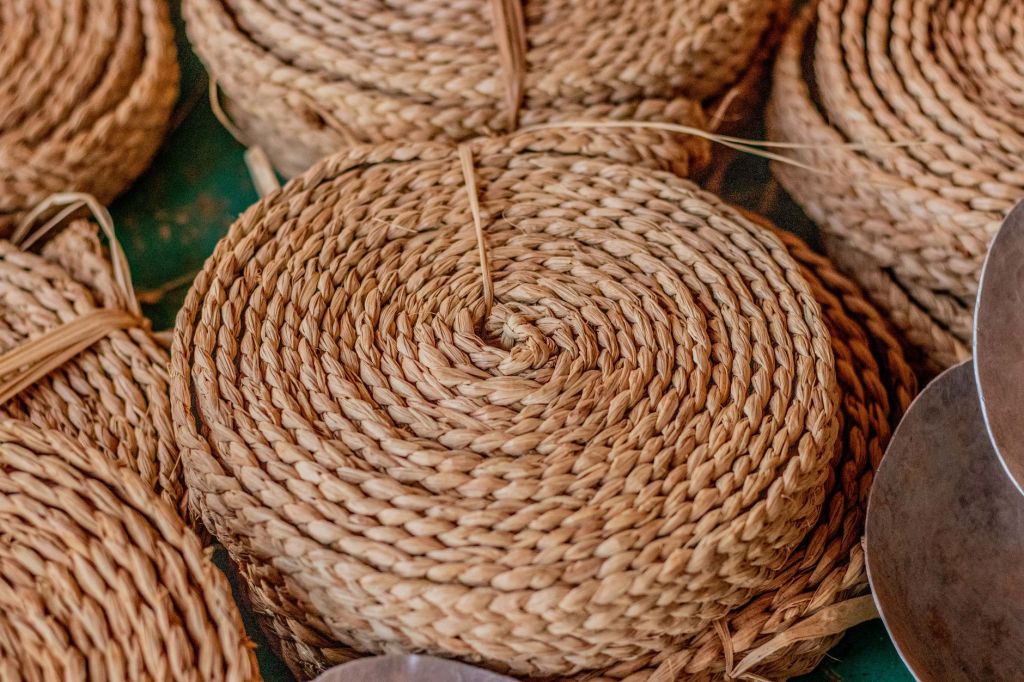
    Macarena Bustamante-Álvarez et al., uncovered ancient sandals made from esparto grass at an Iron Age mining site in Spain, dating back 2,400 years. The footwear exhibits skilled craftsmanship with precise design, demonstrating the significance of plant fibres in ancient economies. Unique preservation conditions allowed these artifacts’ survival. [But! there’s so…