Tag: science communication
-

Kew’s imaginative pocketbooks, Part 1
Titles in Kew’s Pocketbook series, featuring books with 40 botanical paintings from Kew’s extensive archive, showcases diverse plant groups and collections. Each book, lavishly includes plant examples, and an expert introduction. Although there is an unevenness in text to accompany the illustrations between titles, the series offers valuable collections of…
-

Primates and primary health care
Researchers documented a Sumatran orangutan using a plant to heal a facial wound, in an example of non-person self-medication. The plant is traditionally used by humans to treat various ailments, and its use by an orangutan suggests the potential for identifying unknown medicinal plants through ape behaviour.
-

The ultimate plant cutting(!)
The natural world showcases various inter-kingdom collaborations, such as ants farming fungi. Research by Daniela Römer et al. reveals how leaf-cutter ants precisely excise leaf fragments, shedding light on their intricate cutting mechanism.
-
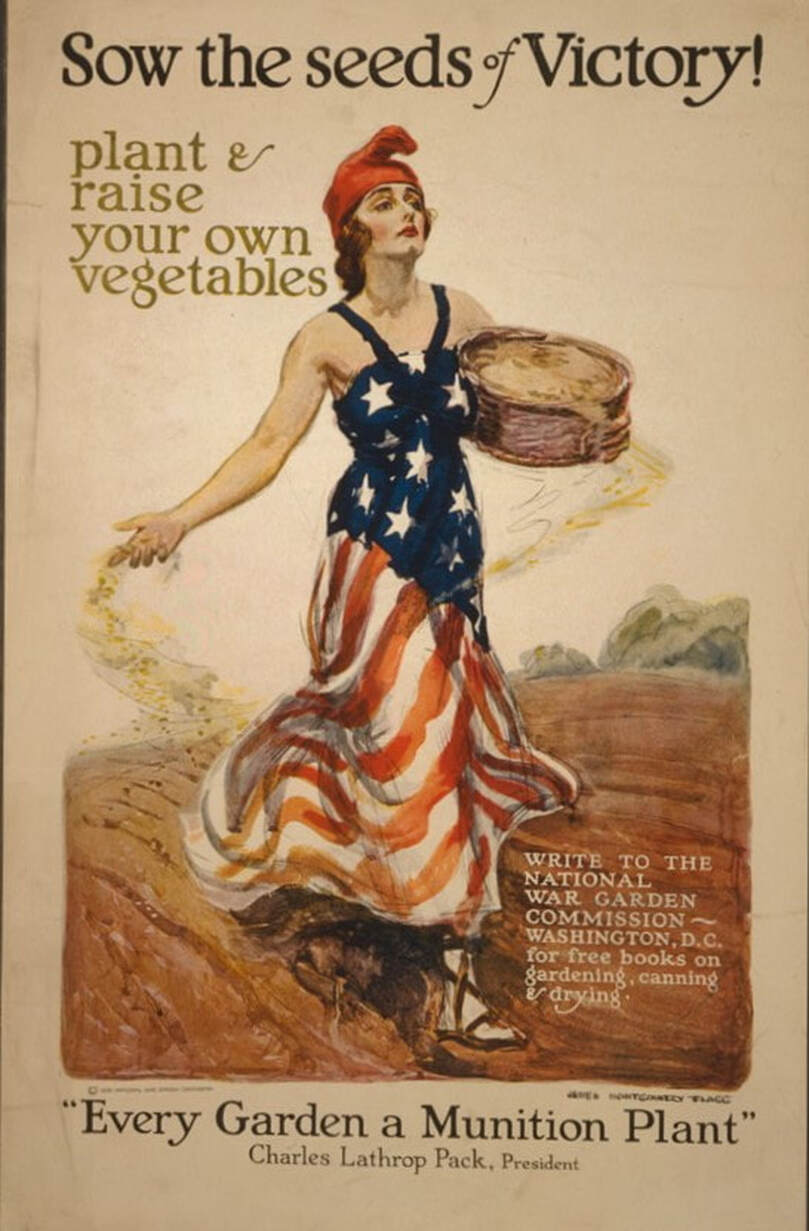
Seed biology, going through the motions…
Although immobile, and rooted-to-the-spot, flowering plants have tremendous mobility via their seeds. This post highlights one record-breaking example of invertebrate-assisted seed dispersal by woodlice and earwigs.
-
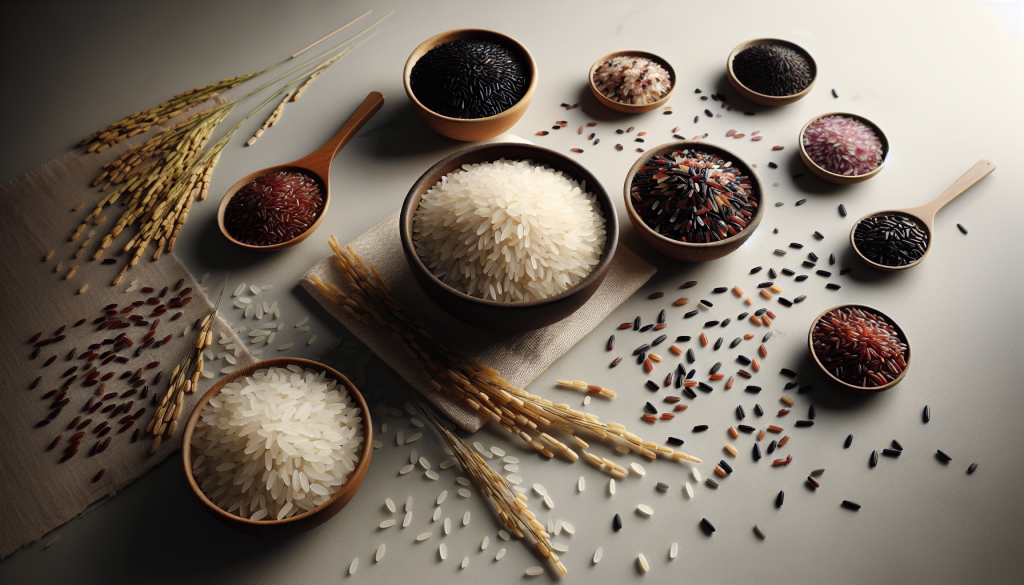
What’s the beef with hybrid rice?
This post discusses various types of coloured rice, including black, purple, blue, yellow, red, and pink rice. It also considers a new “pink rice” created in a laboratory by integrating rice grains with animal cells. Two hopes for this hybrid food are to address concerns around climate change, and provide…
-

Practical ways to tackle plant blindness
In “Things to do with plants: 50 ways to connect with the botanical world,” Emma Crawforth addresses plant blindness and provides practical ways to engage with plants. The book offers 50+ activities divided into seven sections, aiming to enhance plant appreciation. While the lack of sources for statements made is…
-
Evolution of Plant Cuttings
The author revisits his 2010 article on the carnivorous plant Nepenthes attenboroughii. Recognising that his communication style – and the purpose of a Plant Cutting item – has changed since that time, he presents a revised 2024 version of the news item (suitably updated for post-2010 information). Insights into Mr…
-

Iconic Mediterranean plants
Andrew Griebeler’s “Botanical icons” thoroughly examines the role of illustrations in botanical-medical texts from ancient to medieval times. It challenges prevailing views of premodern botanical art as stagnant, emphasizing the critical nature of manuscript copying. The book’s well-sourced content and excellent writing make it a valuable academic resource, providing insight…
-

Exploitation potential of plant products…
This post delves into the chemical capabilities of plants and humans’ innovation in utilizing plant compounds. It highlights the discovery of a new insecticidal protein from ferns with potential for crop protection. Additionally, it explores the creation of sustainable polymers from cellulose, offering an alternative to conventional plastics. These advancements…
-
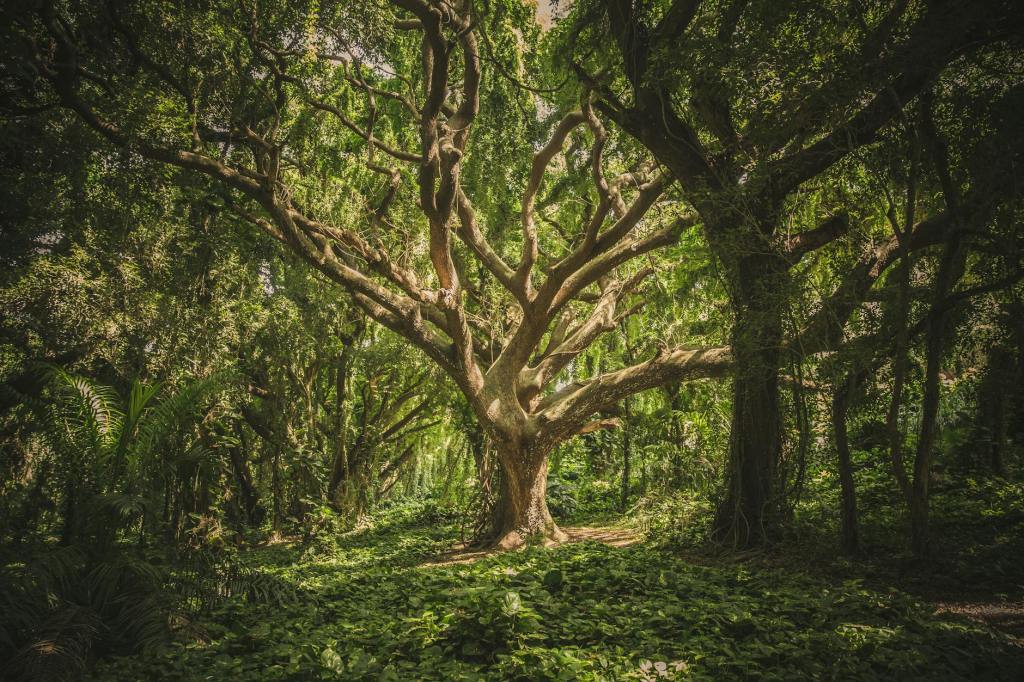
Tree planting, a hot topic…
This post discusses the significance of trees to humans, and highlights how trees provide not only physical resources but also essential ecosystem services. While tree-planting is a popular solution to mitigate climate change, it can have unintended consequences related to global warming. Addressing these issues will require thoughtful and evidence-backed…
 Plant Cuttings