Tag: plants-and-people
-

The origins of human speech, a burning question.
The post discusses how campfires have fostered social interaction and potentially influenced development of spoken language in early humans. Research by Polly Wiessner (2014) highlights the social benefits of firelight, while Hobaiter & Dominy (2026) suggest that dim lighting at campfires may have prompted the evolution of speech by limiting…
-
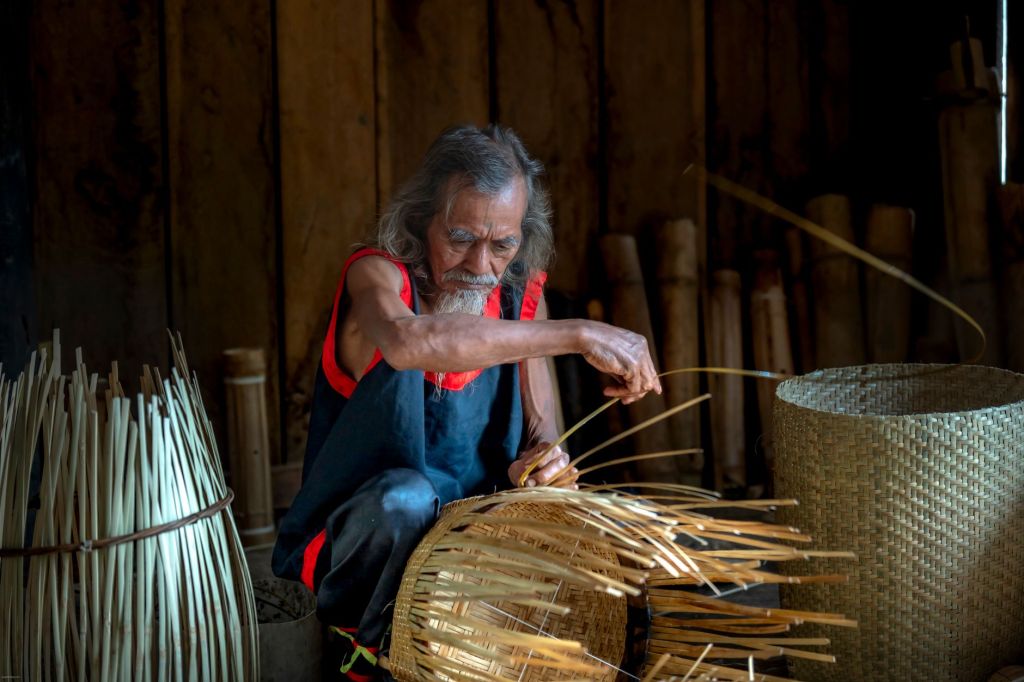
Plants and people: The case for basketry
Mark Nesbitt and Ruth Stungo’s book, Weaving Nature, explores basketry beyond mere containers, emphasising the craft’s historical significance, materials, and techniques. It blends ethnobotany, collecting history, and practical applications of basketry in various contexts. The authors aim to reveal the intricate relationship between plants, makers, and users throughout history.
-

Reading nature’s medicine cabinet
Nature’s Apothecary by Margaret Willes explores the historical roles of apothecaries and the medicinal value of 100 plants, with emphasis upon British herbal traditions. The well-crafted text is full of fascinating insights and illustrations, though it lacks comprehensive sourcing for some claims. Overall, it is an enriching resource on herbalism.
-

Urgent message for humanity: Sea kelp(!)
David Helvarg’s “Forest of the Sea” emphasises the significance of kelp ecosystems and their perilous decline, paralleling the challenges faced by coral reefs. The book interweaves the biology of kelp with human stories and ecological narratives, urging readers to recognise and advocate for the preservation of these vital underwater forests,…
-
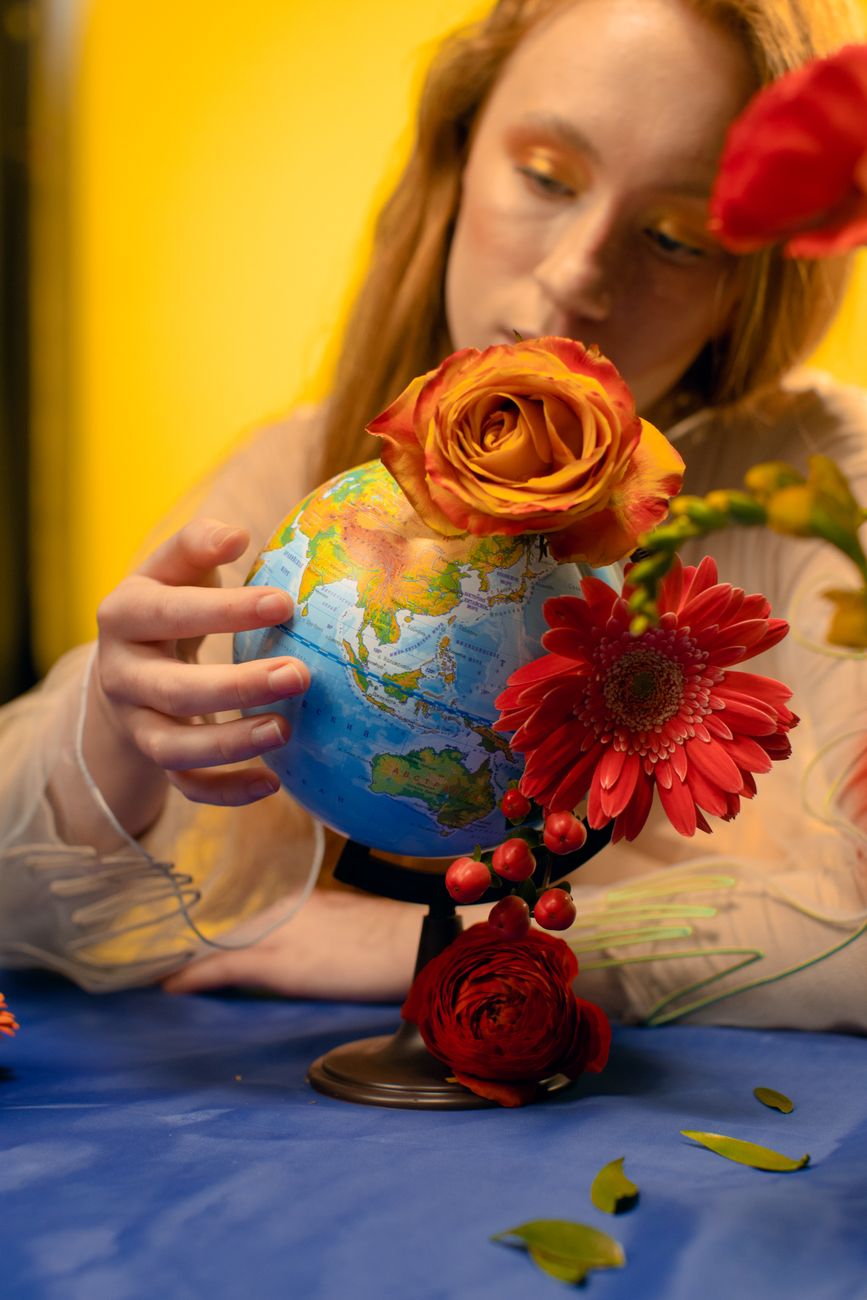
Flowers: Planet- and people-producers
David George Haskell’s “How Flowers Made Our World” explores the vital role of flowers and flowering plants in shaping Earth’s ecosystems and human connections. Comprising scientific insights, Haskell’s engaging narrative highlights plant biology, ecology, and the historical interrelation between flora and humanity, making an overwhelming case for their importance in,…
-
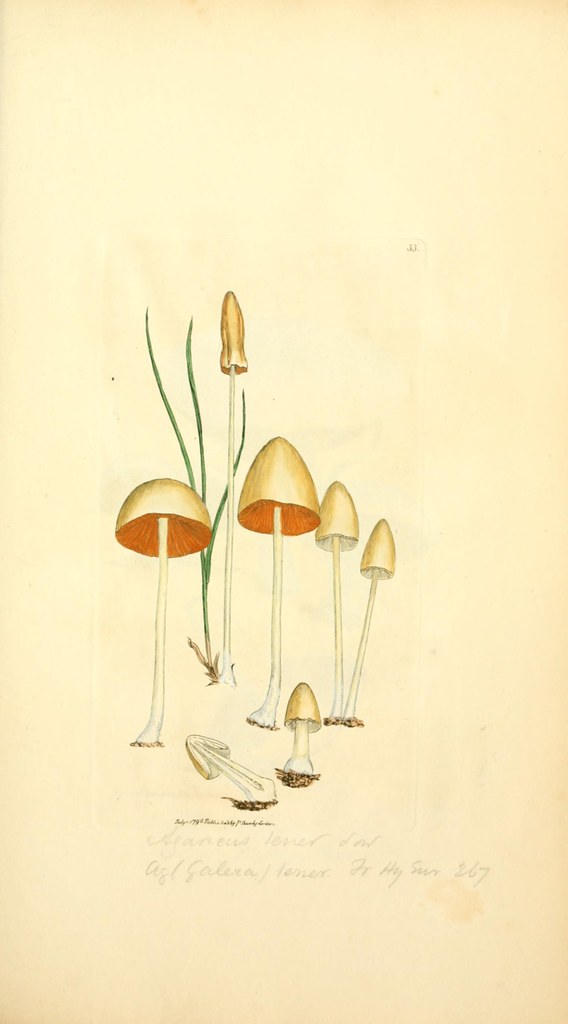
Money, the mushroom fun-guy…
Nicholas Money’s “Fungi and human life” explores the profound connections between fungi and humanity, revealing their essential roles in health, nutrition, and the ecosystem. The book combines engaging storytelling with scientific insights, emphasising the significant, yet often overlooked, impact of fungi on humanity and highlighting their untapped health-helping potential.
-

A timely appreciation of plants
Christopher Woods’ book, “In Botanical Time,” explores the astonishing lifespans of the world’s oldest plants, illustrating their biology and ecology across 230 pages. Although well-written and richly illustrated, the book lacks source citations, which detracts from its scientific credibility. Nonetheless, it captivates readers with tales of remarkable plant longevity.
-

The essentials of plant biology
Essential Plant Biology by Alison Smith et al. offers a comprehensive overview of modern plant biology, emphasizing molecular genetics and biochemistry, crucial for understanding plant function today. Divided into six parts, the book covers topics from plant evolution to environmental interactions, targeting undergraduates with a foundation in molecular biology.
-

The wooden universal Australian
Eucalyptus by Stephen D Hopper uniquely integrates Aboriginal and Western scientific perspectives on eucalypts, offering insights into their cultural significance and ecological roles. The book includes first-hand accounts of Aboriginal practices and contrasts them with European views, emphasizing eucalypts’ importance and advocating for their conservation amid modern threats.
-

What are gardens for..?
The green fuse by Peter Dale explores gardens through a philosophical and cultural lens, emphasizing their connections with literature, music, and art. Challenging yet rewarding, the book enriches readers’ understanding of gardens beyond utilitarian functions, presenting deep insights and beautiful prose. It’s a significant contribution to the plants-and-people discourse.

