Tag: plants
-

There’s a Japanese word for that…
The post discusses the connections between the Japanese language and botany. In particular, it highlights the relevance of origami and kirigami to modern-day engineering applications, and of shinrin-yoku to forest bathing’s health benefits. Additionally, it ponders the Japanese word for a wooden satellite.
-

Plants in the literary tradition
The Cambridge Handbook of Literature and Plants, edited by Bonnie Lander Johnson, is a scholarly compilation of 19 expert contributions exploring plant representation in global literature over two millennia. Covering diverse themes, it encourages readers to reconsider human-plant relationships and enhances our understanding of plants in literature, poetry, and song.
-

Exploring spirals in nature: The maths behind plant growth
The book “Do plants know math?” by Stéphane Douady et al. explores the mathematical principles behind plant spirals, particularly the arrangement of leaves. Not restricted to the maths, it present a rich blend of history, science, and practical activities, to show how scientists, over several centuries, studied – and eventually…
-
Inverting cellulose-degrading enzymes
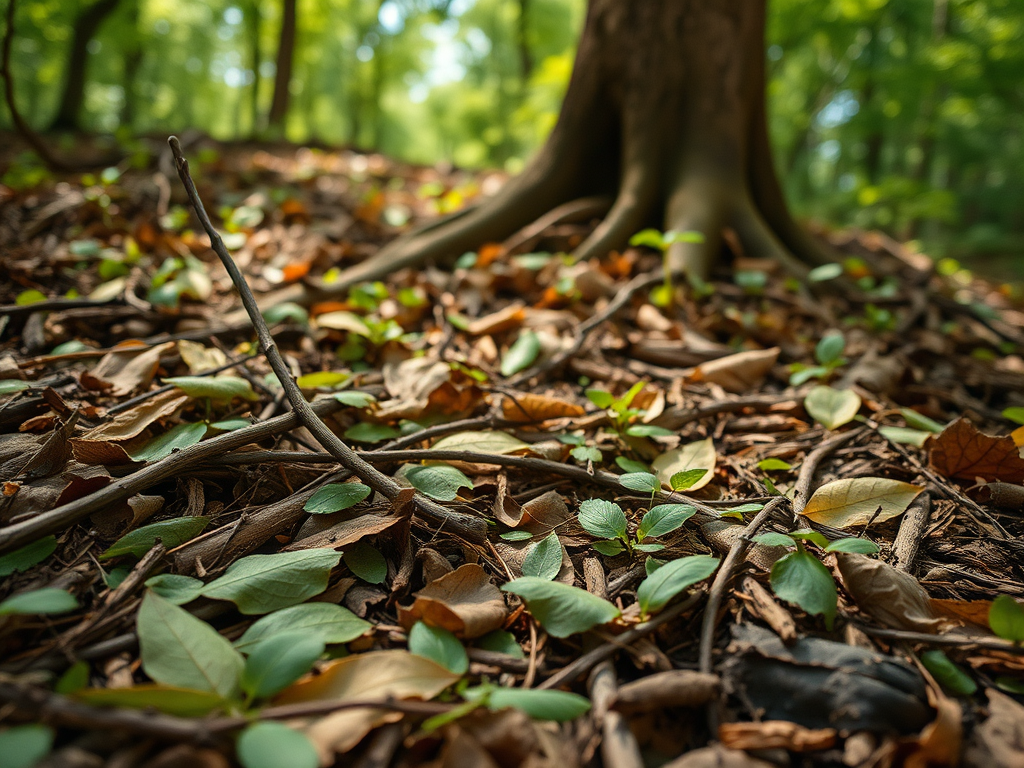
The image of a springtail emphasizes the role of soil invertebrates in decomposition,. Traditionally as shredders of organic matter they help fungi and bacteria do their work. Research by Hannah Muelbaier et al. (2024) reveals cellulose-degrading genes in soil invertebrates like springtails and mites, suggesting they may contribute more directly…
-

The ‘appy botanist
This post considers the ability to identify plants as a way to enhance botanical literacy and combat plant blindness. In particular it considers plant ID apps. It concludes that, whilst such apps can be valuable in teaching novices to identify plants, they should be used alongside expert guidance to improve…
-
Kew’s imaginative pocketbooks, Part 3
The post concludes Mr P Cuttings’ evaluations of Kew’s Pocketbook series, and considers Carnivorous plants, Festive flora, Palms, and Cacti. Each book features botanical illustrations and introductions by experts but most of them lack the promised detailed annotations. Richly illustrated, the titles here considered – and the series as a…
-
Kew’s imaginative pocketbooks, Part 2
This post provides a detailed evaluation of four titles from the Kew Pocketbook series, Houseplants, Mexican Plants, Herbs and Spices, and Fruit. Each book is lavishly illustrated and provides an introduction by an expert from Kew.
-
Kew’s imaginative pocketbooks, Part 1
Titles in Kew’s Pocketbook series, featuring books with 40 botanical paintings from Kew’s extensive archive, showcases diverse plant groups and collections. Each book, lavishly includes plant examples, and an expert introduction. Although there is an unevenness in text to accompany the illustrations between titles, the series offers valuable collections of…
-

Practical ways to tackle plant blindness
In “Things to do with plants: 50 ways to connect with the botanical world,” Emma Crawforth addresses plant blindness and provides practical ways to engage with plants. The book offers 50+ activities divided into seven sections, aiming to enhance plant appreciation. While the lack of sources for statements made is…
-

For a long life, avoid the garden
“Gardening can be Murder” by Marta McDowell is an enjoyable exploration of the surprising connections between gardening, and murder to be found in mystery novels. McDowell delves into over 100 English language mystery novels, providing context and insights into their horticultural themes. With stylish writing and abundant insights, this book…
 Plant Cuttings