Tag: plant science
-

Intriguing uses of wood: future…
This post feature futuristic uses of wood uses – a wooden satellite from Japan and the development of super-black wood by UBC researchers. The satellite, LignoSat, which is encased in magnolia wood, is due to be launched to the ISS in September 2024. The super-black wood, named Nxylon, offers various…
-

Intriguing uses of wood: present…
Unusual Present-day uses of wood include innovative materials such as engineered transparent wood (ETW) and wooden circuit boards. ETW, with 80% light transmittance, is a sustainable alternative to glass and can be used in solar cells, windows, and decorative materials. Researchers are also exploring wood-based materials for sustainable electronics in…
-

Intriguing uses of wood: past…
Archaeological findings in Germany validate Julius Caesar’s description of sharpened wooden stakes in his military campaign. Additionally, discoveries such as a “seahenge” and insights into mammoth-hunting highlight uses of wood by humans in days long gone.
-
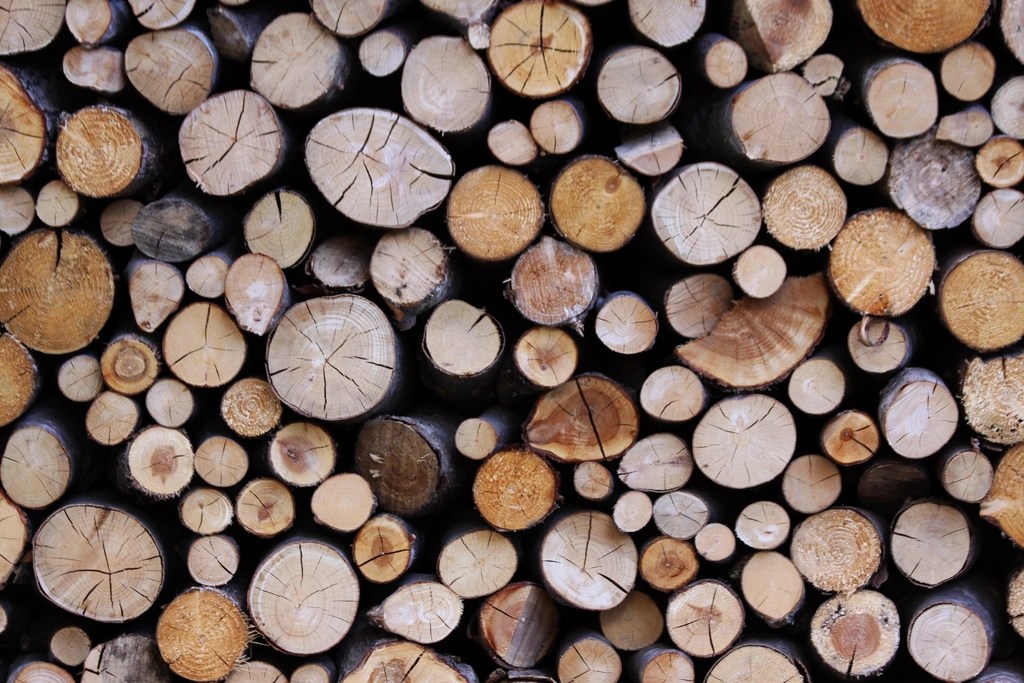
Wood gets 50% more interesting
The traditional classification of tree wood as hardwood or softwood has been challenged by a recent study by Jan Lyczakowski & Raymond Wightman, which identified a new category called “midwood.” This newly discovered wood type, as observed in Liriodendron tulipifera and L. chinense, may play a role in efficiently storing…
-

Radishes helping themselves…
SISRH is a self-irrigating and slow-release fertilizer hydrogel developed for sustainable agriculture. It absorbs water vapour at night and releases it during the day, reducing water consumption and enhancing nutrient delivery. Initial experiments with radish show promising results, but further research is needed to determine its impact on larger-scale and…
-

Fern DNA goes to great lengths…
Tmesipteris truncata, a hanging fork fern from New Caledonia, has the largest known eukaryotic genome at 160.45 Gbp. This exceeds the DNA content of humans by over 50 times. A larger genome, however, does not necessarily lead to superior traits, as it can result in slower growth and reduced adaptability…
-

Read all about it: Paper gets better!
This post looks at traditional Japanese paper called washi and its recent modification using polybutylene succinate (PBS) to enhance strength and biodegradability. Despite potential environmental concerns about PBS, “techno-washi” could offer sustainable alternatives in various industries.
-

Protective power of moss (etc.)
Yousong Cao et al’s study shows that moss and cyanobacteria biocrusts protect the rammed-earth portions of the Great Wall of China. The biocrusts enhance the wall’s stability and reduce its erosion, emphasizing the crucial role that biocrusts can play in preserving ancient earthen structures.
-

Primates and primary health care
Researchers documented a Sumatran orangutan using a plant to heal a facial wound, in an example of non-person self-medication. The plant is traditionally used by humans to treat various ailments, and its use by an orangutan suggests the potential for identifying unknown medicinal plants through ape behaviour.
-
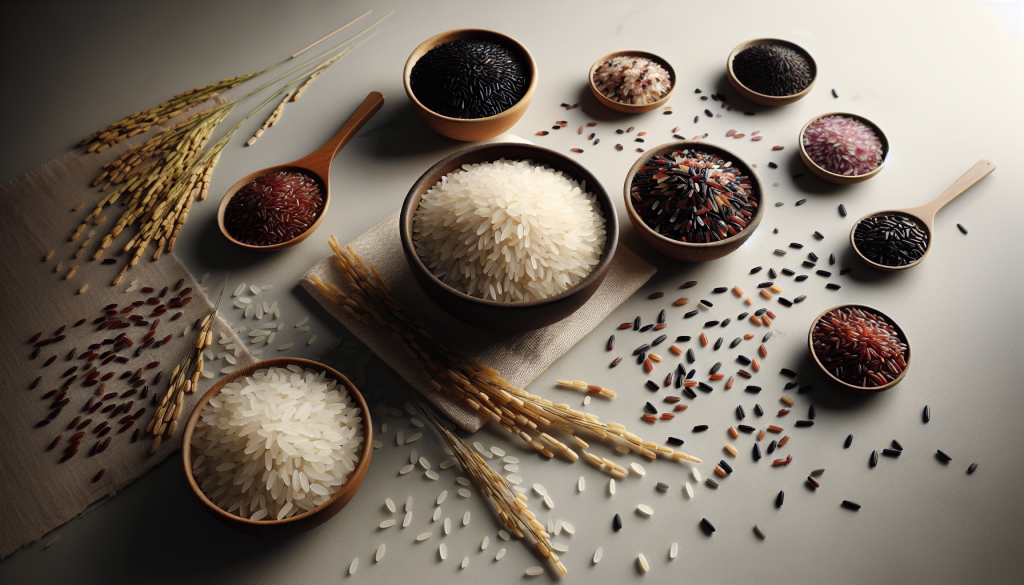
What’s the beef with hybrid rice?
This post discusses various types of coloured rice, including black, purple, blue, yellow, red, and pink rice. It also considers a new “pink rice” created in a laboratory by integrating rice grains with animal cells. Two hopes for this hybrid food are to address concerns around climate change, and provide…

