Tag: plant science
-

And these are remarkable trees…
The 2024 edition of Remarkable Trees by Christina Harrison and Tony Kirkham offers an extensive exploration of over 60 significant tree species, incorporating fascinating cultural stories. While it features lush illustrations and thorough entries, it lacks clear sourcing for factual statements and shows minimal updates from the previous edition, raising…
-

These plants really are remarkable…
Remarkable Plants by Helen and William Bynum is a richly illustrated exploration of the complex relationships between plants and people. While this 2023 edition repackages their 2014 text with no major updates, it still offers engaging narratives and facts about significant plants and their cultural impacts (and is £5 cheaper…)..
-
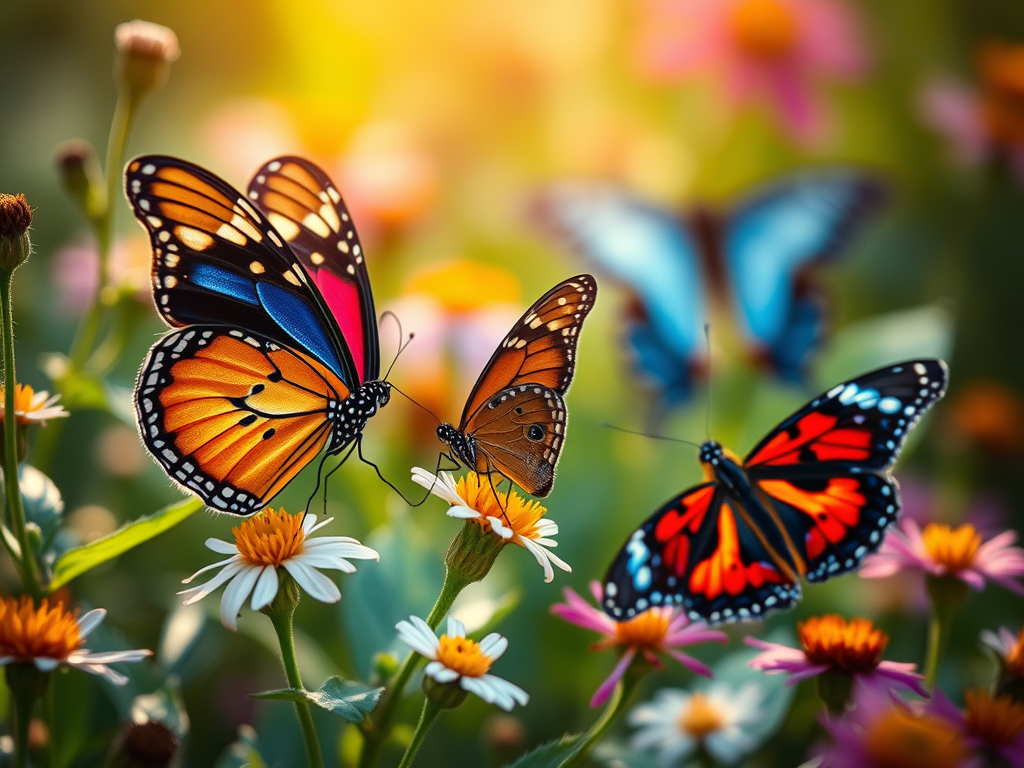
Shocking news about pollen
This post discusses a study by England and Robert (2024) exploring static electricity’s potential role in non-contact pollination by butterflies and moths. Their research suggests that these insects can attract pollen through static charges during flight. However, direct observation of pollen transfer is still needed to confirm this phenomenon’s occurrence…
-
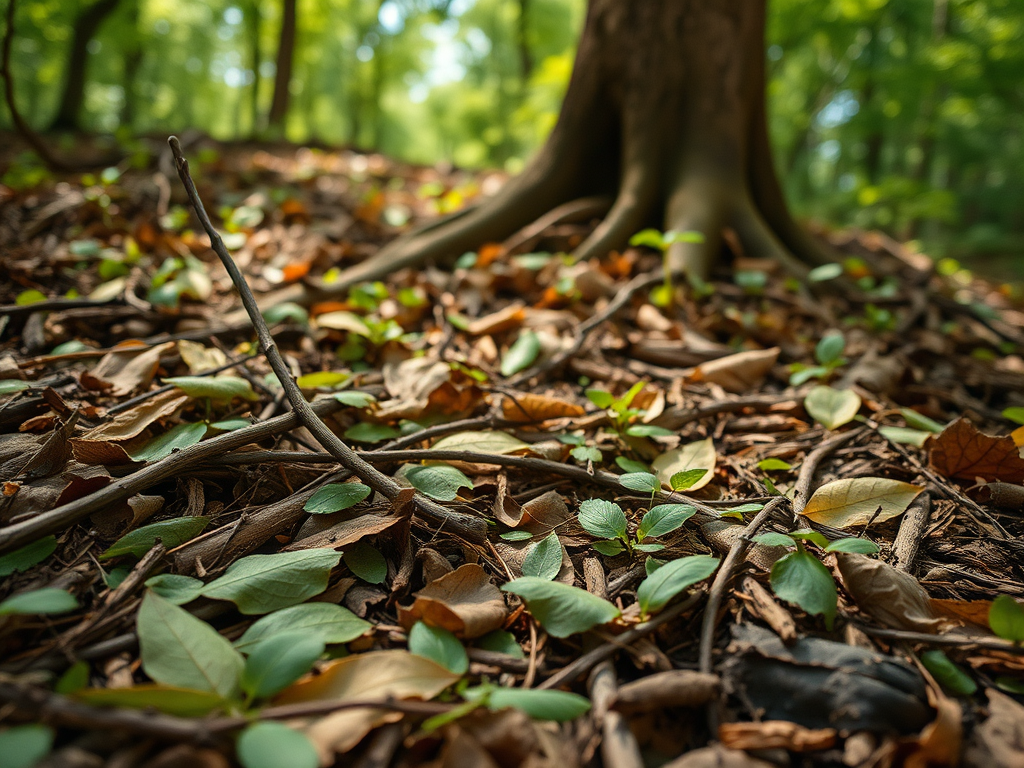
Inverting cellulose-degrading enzymes
The image of a springtail emphasizes the role of soil invertebrates in decomposition,. Traditionally as shredders of organic matter they help fungi and bacteria do their work. Research by Hannah Muelbaier et al. (2024) reveals cellulose-degrading genes in soil invertebrates like springtails and mites, suggesting they may contribute more directly…
-

The ‘appy botanist
This post considers the ability to identify plants as a way to enhance botanical literacy and combat plant blindness. In particular it considers plant ID apps. It concludes that, whilst such apps can be valuable in teaching novices to identify plants, they should be used alongside expert guidance to improve…
-

What’s in a name? The case of Barnes’ stolon
The article critiques Simon Barnes’ definition of a stolon, suggesting it is inaccurately identified as an underground stem, when it is typically considered an above-ground organ. Mr P Cuttings urges greater academic rigour in botanical literature, emphasizing the importance of citing sources to prevent misinformation, and enhance botanical literacy, among…
-
Who wants to be a bad botanist?
“How to be a bad botanist” by Simon Barnes is an informative and engaging book that aims to enhance botanical literacy and tackle plant blindness. Despite lacking sources, the book offers practical advice, delightful plant portraits, and a captivating narrative of the author’s botanical journey. It is a valuable read…
-

Intriguing uses of wood: future…
This post feature futuristic uses of wood uses – a wooden satellite from Japan and the development of super-black wood by UBC researchers. The satellite, LignoSat, which is encased in magnolia wood, is due to be launched to the ISS in September 2024. The super-black wood, named Nxylon, offers various…
-

Intriguing uses of wood: present…
Unusual Present-day uses of wood include innovative materials such as engineered transparent wood (ETW) and wooden circuit boards. ETW, with 80% light transmittance, is a sustainable alternative to glass and can be used in solar cells, windows, and decorative materials. Researchers are also exploring wood-based materials for sustainable electronics in…
-

Intriguing uses of wood: past…
Archaeological findings in Germany validate Julius Caesar’s description of sharpened wooden stakes in his military campaign. Additionally, discoveries such as a “seahenge” and insights into mammoth-hunting highlight uses of wood by humans in days long gone.
 Plant Cuttings