Tag: plant science
-

When is a lichen not a lichen?
Chen et al. (2025) introduce a groundbreaking cyanobacterium-fungus symbiosis termed phyllosymbium, challenging traditional lichen concepts. In this unique association, the cyanobacterium envelops the fungus, displaying an unexpected structure. This discovery raises important questions about mutual benefits and interactions, broadening our understanding of symbiotic relationships in nature.
-

The roles of sharp structures in plant survival strategies
The post explores the defensive roles of thorns, spines, and prickles in plants. It discusses research showing that thorns can deter herbivores, their potential aposematic coloration, and the hypothesis that they may inject pathogens into herbivores, thus adding a biological warfare aspect to their defense mechanisms.
-

Moss and lichen: A deep dive into cryptogams
Elizabeth Lawson’s “Moss and Lichen” is a groundbreaking addition to Reaktion Books’ Botanical series, shifting focus from vascular to non-vascular plants and encompassing fungi. Integrating biology, ecology, and cultural relevance, the book explores the nature of mosses and lichens, their roles in ecosystems, and their significance to humanity.
-
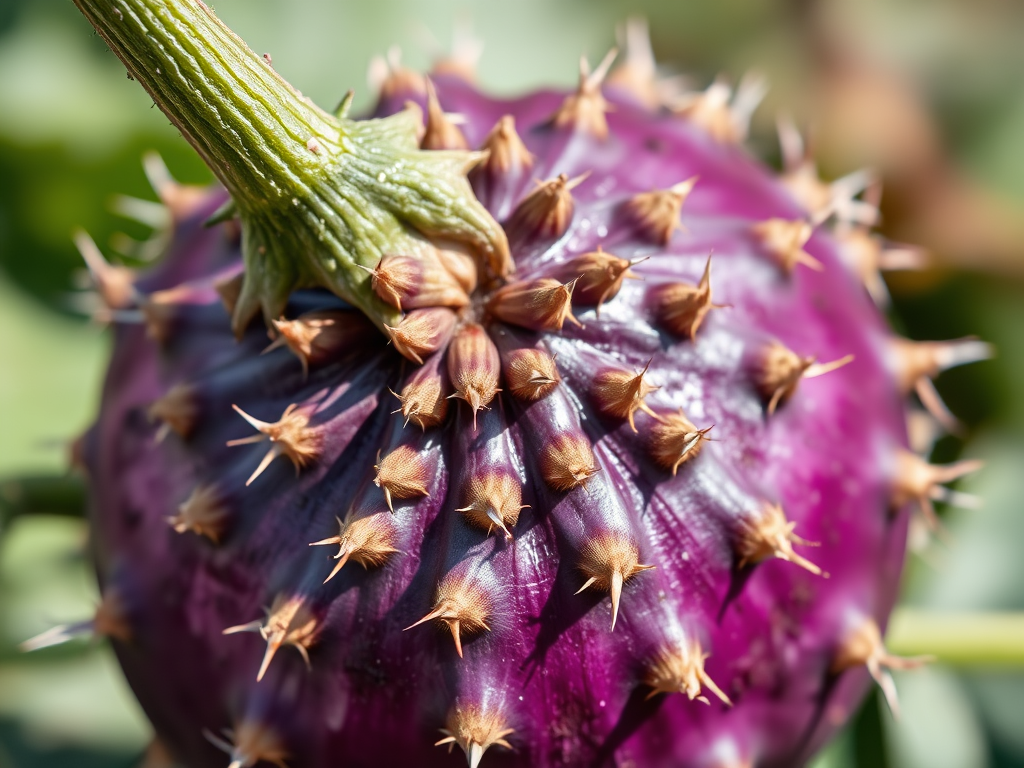
Gene-editing, taking the ouch out of touch
The post provides background on plant defenses against herbivores, focusing on prickles, thorns, and spines. It then looks in detail at work by Satterlee et al. who used CRISPR-Cas9 techniques to create prickle-free variants of aubergine and other Solanum species, potentially transforming agricultural practices and enhancing food safety during harvesting…
-

Plants, biting the hand that weeds them…
By way of preamble the post discusses the multiple uses of plant fibres, especially in relation to paper in books and newspapers, and longevity of the printed word. The post then discusses research into what types of paper cause paper cuts, and how the results led to creation of the…
-

The seed-spreading power of water
After providing some background on water’s unusual properties, this post considers some of the roles of water in plant biology. In particular, it looks at the work of Finn Box et al. on seed dispersal by the squirting cucumber.
-

Botanical potpourri No. 1
This post explores various plant-based topics, focusing on newly discovered species and their significance. It highlights the discovery of the “Ghost palm” and critically endangered species. Additionally, it discusses forensic botany’s role in uncovering historical uses of plants and the ecological impact of migrating butterflies potentially spreading fungal diseases.
-

Whisky galore: The tale of shipwrecked spirits
Whisky Galore! is a 1949 British comedy about whisky-deprived Scottish islanders who seize a stranded ship’s cargo. A recent project aims to create whiskey from shipwrecked American rye grains, which tale is told here, This post is also an opportunity – albeit a little early – to raise a toast…
-

Exploring spirals in nature: The maths behind plant growth
The book “Do plants know math?” by Stéphane Douady et al. explores the mathematical principles behind plant spirals, particularly the arrangement of leaves. Not restricted to the maths, it present a rich blend of history, science, and practical activities, to show how scientists, over several centuries, studied – and eventually…
-
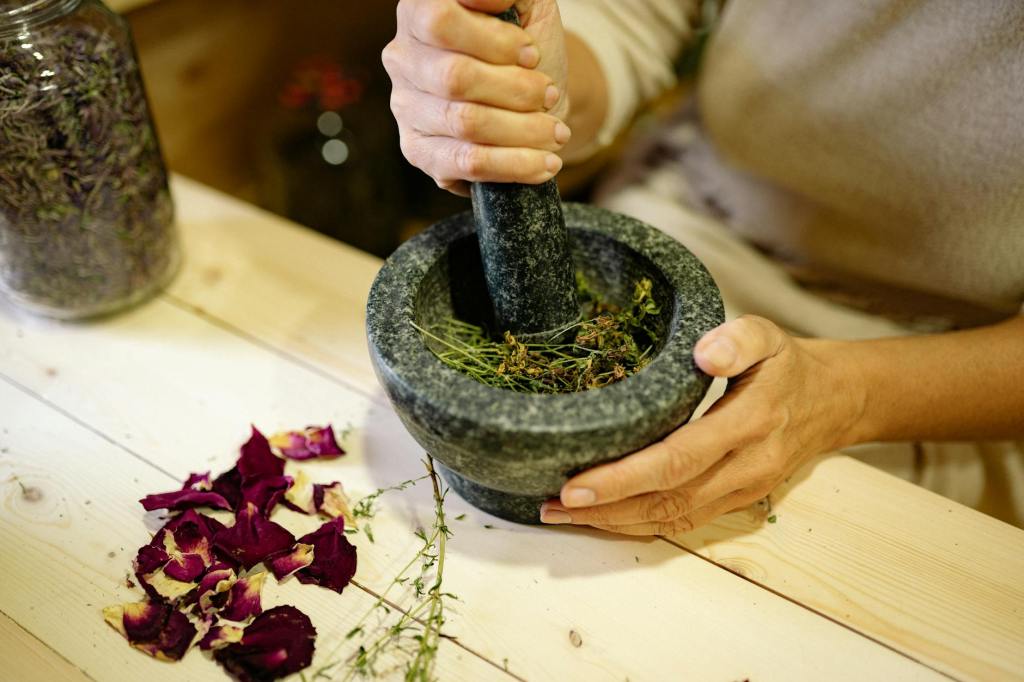
Botanical Origins of Modern Medicines
“Modern medicines from plants,” edited by Henry Oakeley, explores over 50 plants integral to modern prescription drugs. It chronicles the historical use and transition of these plants into medical treatments, detailing the origin stories of various drugs. The book is informative, well-illustrated, and a significant contribution to understanding plant-based medicines.
 Plant Cuttings