Tag: plant science
-
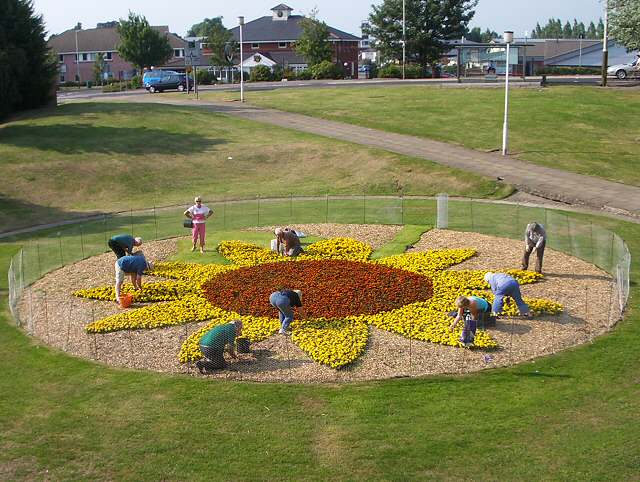
24 hours of flower power…
“Flower Day” by Sandra Knapp presents 24 mini-essays on diverse plants, highlighting their biology, ecology, and ethnobotanical significance. The book reflects on floral beauty and the intricate relationships between plants, pollinators, and indigenous knowledge, fostering appreciation for nature while emphasizing the need to protect it amidst environmental threats.
-
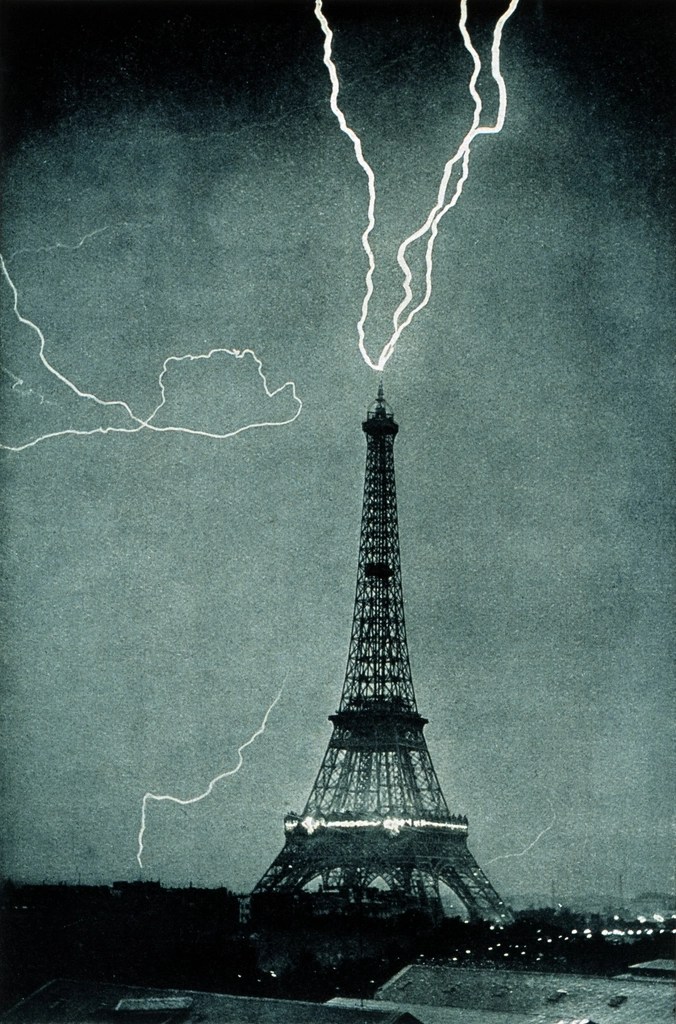
The shockingly beneficial effects of lightning on trees
The post discusses the dual nature of lightning’s impact on the environment. While it can kill trees, particularly in tropical forests, certain species like Dipteryx oleifera benefit from strikes by eliminating competing vegetation Additionally, lightning facilitates nitrogen fixation, promoting plant growth by contributing essential nutrients to the soil.
-

The scented statues: Greco-Roman aromatic practices
The post discusses the olfactory heritage of ancient Greco-Roman sculptures, emphasising the use of aromatic oils and perfumes on statues. Research by Cecilie Brøns reveals that scent-enriched religious and secular artworks suggest an intriguing sensory experience beyond their visual appeal, thus inviting further exploration into ancient practices of beautification through…
-

Exploring the biology of algae, lichens, and bryophytes
The book “Biology of algae, lichens and bryophytes,” edited by Büdel, Friedl & Beyschlag, offers a comprehensive overview of these crucial organisms, highlighting their biodiversity and ecological significance. Its pedagogic credentials are high and provides insights for advanced students and enthusiasts in plant biology.
-

Ancient sand farmers of The Levant
The plot-and-berm agroecosystem in Caesarea, established over a thousand years ago, transformed sandy soil into productive agricultural land. By creating small plots surrounded by berms, early inhabitants enhanced soil fertility and utilized groundwater for irrigation. This ingenious system showcases ancient agricultural techniques, offering insights relevant to modern farming in arid…
-
![Plants suffer from viruses too… [From algae to rice plants… III]](https://plantcuttings.uk/wp-content/uploads/2025/04/chjpdmf0zs9zdgf0awmvaw1hz2uvd2vic2l0zs8ymdiylta0l2xyl2zycmljzv9wywrkev9lynjvx2rlbhrhlwltywdllwt5ymfzndz0lmpwzw.webp?w=768)
Plants suffer from viruses too… [From algae to rice plants… III]
The post considers virus disease of plants and highlights research by Yu Huang et al. (2025) that reveals how rice detects and responds to viral infection. Such work is crucial for enhancing crop resilience and ensuring food security for the global human population.
-
![Predictable red tides? [From algae to rice plants… II]](https://plantcuttings.uk/wp-content/uploads/2025/04/pexels-photo-3992945.jpeg?w=963)
Predictable red tides? [From algae to rice plants… II]
This post discusses dinoflagellates and red tides. In particular it considers Karenia brevis and work by Shen Jean Lim et al., who have identified viruses in K. brevis harmful algal bloom (HABs). This discovery suggests potential viral control methods for mitigating such red tides and improving early warning of them.
-
![The phytoplanktonic paradox [From algae to rice plants… I]](https://plantcuttings.uk/wp-content/uploads/2025/03/image-2.png?w=1024)
The phytoplanktonic paradox [From algae to rice plants… I]
Research by Muratore et al. reveals that different phytoplankton species exploit phosphorus at varied times, suggesting ‘temporal niche partitioning’ as a potential solution to the phytoplankton paradox and underlining the intricate dynamics of marine ecosystems.
-

Shedding light on marine algae…
Dakota McCoy et al. (2024) demonstrate how heart cockles (Corculum cardissa) utilize specialized windows in their shells to focus sunlight onto symbiotic dinoflagellates for photosynthesis. The windows transmit 11–62% of photosynthetically-active radiation while filtering harmful UV rays, suggesting an adaptive advantage for both the molluscs and their symbionts.
-
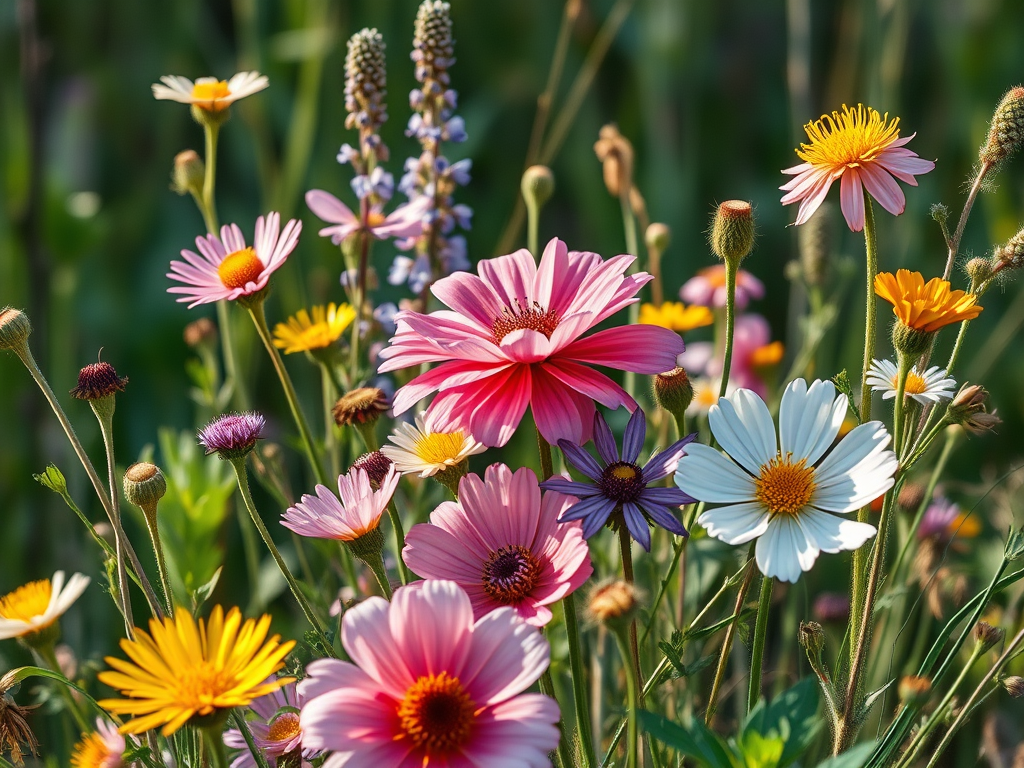
Wildflowers unveiled: Science and secrets behind nature’s beauty
Chris Thorogood’s “Wildflowers” explores the diverse world of wildflower biology, covering topics such as ecology, evolution, and conservation. Suitable for an intelligent, teenager-plus aged audience, the book offers concise chapters with abundant illustrations. While informative, it provides limited sourced facts. Overall, it celebrates the planet’s rich diversity of wild plants.
 Plant Cuttings