Tag: plant biology
-

Botanical Origins of Modern Medicines
“Modern medicines from plants,” edited by Henry Oakeley, explores over 50 plants integral to modern prescription drugs. It chronicles the historical use and transition of these plants into medical treatments, detailing the origin stories of various drugs. The book is informative, well-illustrated, and a significant contribution to understanding plant-based medicines.
-

And these are remarkable trees…
The 2024 edition of Remarkable Trees by Christina Harrison and Tony Kirkham offers an extensive exploration of over 60 significant tree species, incorporating fascinating cultural stories. While it features lush illustrations and thorough entries, it lacks clear sourcing for factual statements and shows minimal updates from the previous edition, raising…
-

These plants really are remarkable…
Remarkable Plants by Helen and William Bynum is a richly illustrated exploration of the complex relationships between plants and people. While this 2023 edition repackages their 2014 text with no major updates, it still offers engaging narratives and facts about significant plants and their cultural impacts (and is £5 cheaper…)..
-
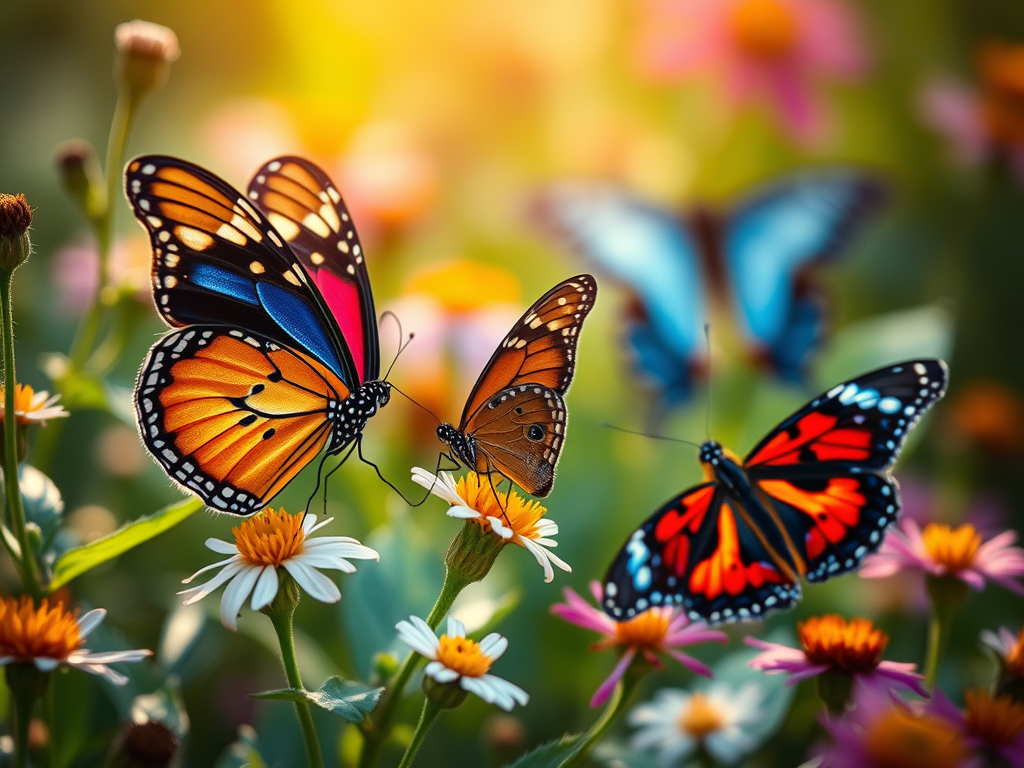
Shocking news about pollen
This post discusses a study by England and Robert (2024) exploring static electricity’s potential role in non-contact pollination by butterflies and moths. Their research suggests that these insects can attract pollen through static charges during flight. However, direct observation of pollen transfer is still needed to confirm this phenomenon’s occurrence…
-

Who wants to be a bad botanist?
“How to be a bad botanist” by Simon Barnes is an informative and engaging book that aims to enhance botanical literacy and tackle plant blindness. Despite lacking sources, the book offers practical advice, delightful plant portraits, and a captivating narrative of the author’s botanical journey. It is a valuable read…
-

That’s no leopard, that’s a phytoforaging feline
This post concerns the diet of the snow leopard, a carnivore. Surprisingly, researchers found plant material in snow leopard scat, indicating potential intentional ingestion. This discovery raises questions about the reasons for this behavior, such as medicinal or nutritional purposes. The study sheds light on the snow leopard’s feeding behavior,…
-

Plant-predating ‘piranha’…
This post discusses the discovery of a vegetarian fish, Myloplus sauron, in a tributary of the Amazon. Contrary to expectations, this piranha-like fish primarily feeds on plants, potentially aiding in the dispersal of plant fragments and seeds. This challenges previous assumptions about the dietary habits of similar fish species.
-

Fern DNA goes to great lengths…
Tmesipteris truncata, a hanging fork fern from New Caledonia, has the largest known eukaryotic genome at 160.45 Gbp. This exceeds the DNA content of humans by over 50 times. A larger genome, however, does not necessarily lead to superior traits, as it can result in slower growth and reduced adaptability…
-

When chocolate goes viral
Viruses cause significant damage to plants, with cacao trees being particularly vulnerable to the cacao swollen shoot virus disease (CSSVD). This disease threatens global chocolate production, but mathematical research offers hope that appropriate spacing of vaccinated and unvaccinated trees can thwart spread of CSSV.
-

Protective power of moss (etc.)
Yousong Cao et al’s study shows that moss and cyanobacteria biocrusts protect the rammed-earth portions of the Great Wall of China. The biocrusts enhance the wall’s stability and reduce its erosion, emphasizing the crucial role that biocrusts can play in preserving ancient earthen structures.

