Tag: plant biology
-
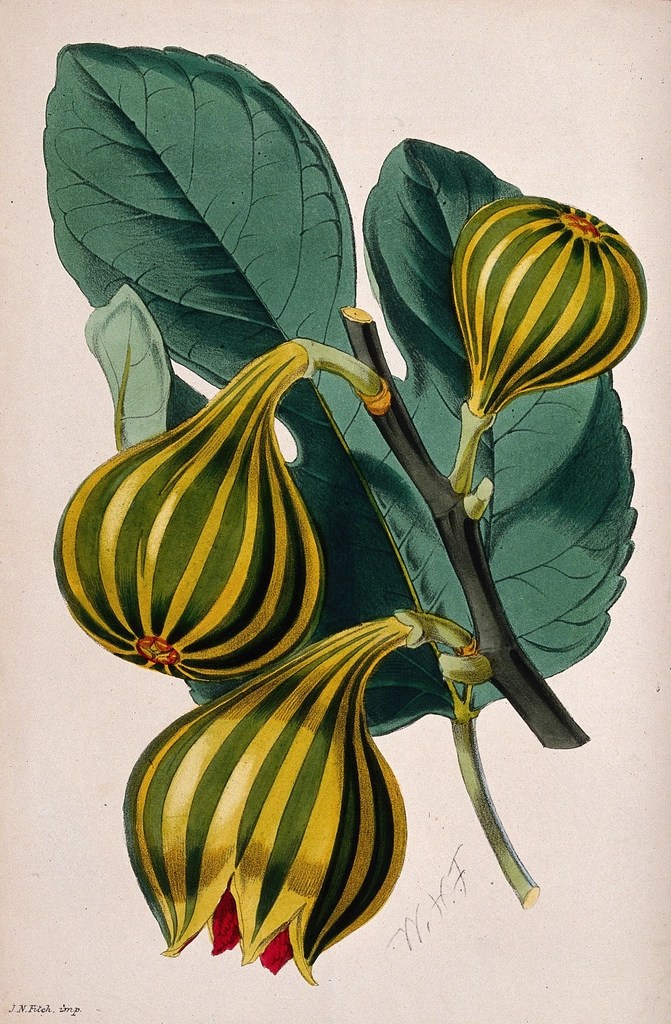
When is a tree not a tree? When it’s a rock(!)
By way of an introduction to “ergastic substances” in plants, Mr P Cuttings considers calcium oxalate and carbonate. And relates this to a report that certain fig trees can sequester such inorganic carbon, potentially maintaining carbon sinks post-death. This biomineralisation could help to mitigate climate change while also benefiting soil…
-
Pulling the stuffing out of plants…
Jonathan Drori’s book, the stuff that stuff is made of, explores the crucial role of plants in human life. Featuring 30 plants, it blends factual information with engaging illustrations, anecdotes, and humour to bridge plant-awareness gaps. Intended for readers aged 7 to 100, it aims to inspire curiosity and appreciation…
-

Tomato or potato, which came first?
This post explores the evolutionary and historical relationship between potatoes and tomatoes, both members of the nightshade family. It briefly discusses their introduction to Europe via the Columbian Exchange, and notes contradictory claims about which arrived first. It then considers the pivotal role of tomato in the development of tubers…
-

A sceptical look at plants
Tim Entwisle’s “The sceptical botanist” is a highly readable collection of essays that address plant-related questions. While the book provides engaging insights, it sometimes lacks sufficient evidence for some of its statements. However, overall, it combines entertaining writing with educational value, appealing to both novice and seasoned botanists.
-

What plant(s) should we study?
This post discusses Arabidopsis thaliana as a prominent model plant, highlighting its many advantages. However, although research on Arabidopsis has advanced understanding of plant biology, researchers are exploring additional model plants to address its limitations and better comprehend diverse plant species and their interactions.
-

Getting to the bottom of 18th century embalming practice
This post explores the intriguing use of wood in an 18th-century Austrian corpse preservation method. The mummified remains of priest Franz Xaver Sidler von Rosenegg were notably preserved using wood chips (and other materials), revealing an unprecedented abdominal packing technique via the rectum, a unique aspect of historical embalming practices.
-

Solar eclipses and ‘talking trees’
Researchers found that spruce trees exhibit synchronized bioelectrical responses before and during a solar eclipse, potentially anticipating the event up to 14 hours in advance. Despite concerns over small sample sizes and the media’s sensationalist interpretations, the study suggests deeper ecological communication among trees, emphasizing the preservation of older trees…
-
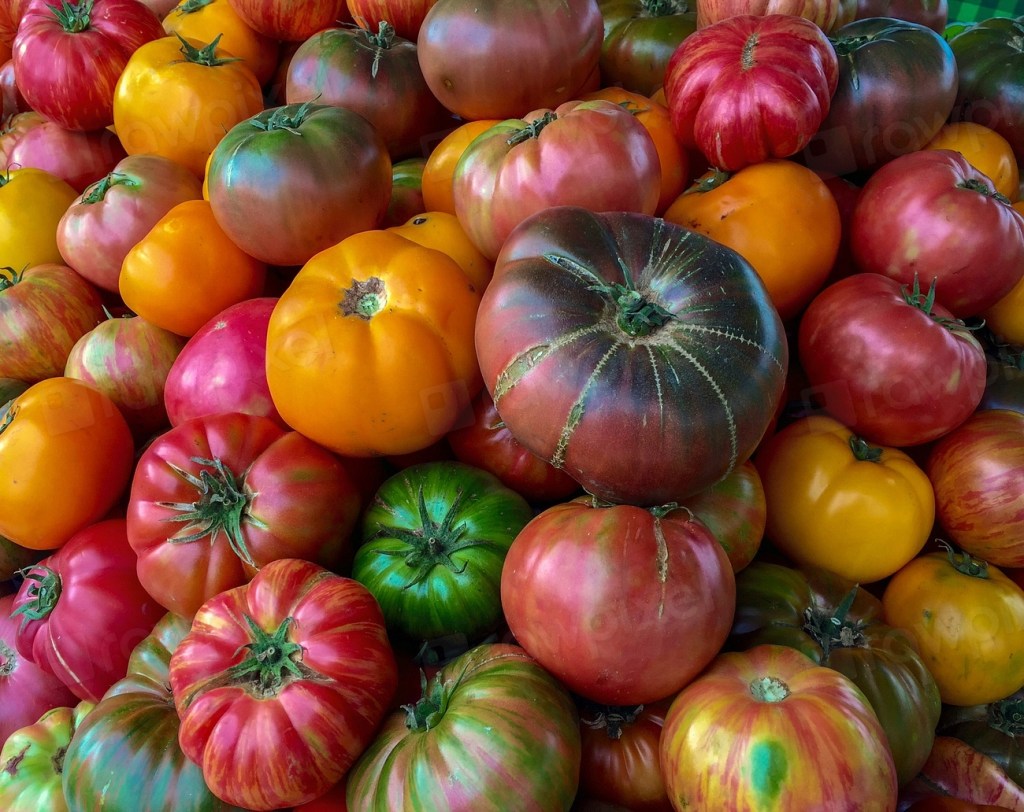
Photosynthesis operating above par…
Lazzarin et al. (2025) show that far-red light (701-750 nm), previously considered outside of photosynthetically active radiation (PAR), can enhance photosynthesis in tomato plants. While research suggests revising PAR definitions to include far-red wavelengths, the role of this light in plant life remains complex and requires further investigation to fully…
-
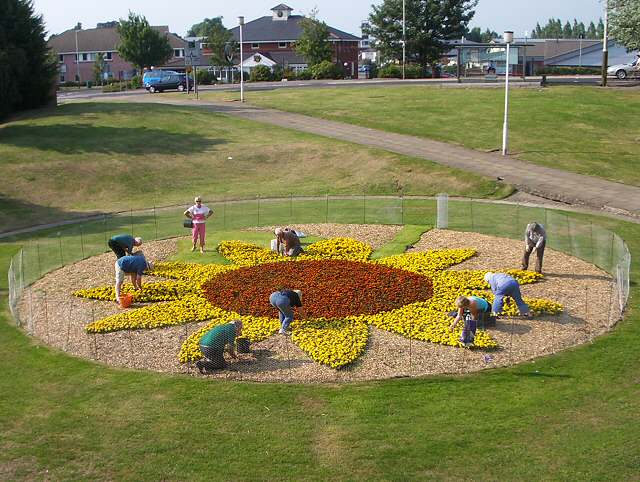
24 hours of flower power…
“Flower Day” by Sandra Knapp presents 24 mini-essays on diverse plants, highlighting their biology, ecology, and ethnobotanical significance. The book reflects on floral beauty and the intricate relationships between plants, pollinators, and indigenous knowledge, fostering appreciation for nature while emphasizing the need to protect it amidst environmental threats.
-
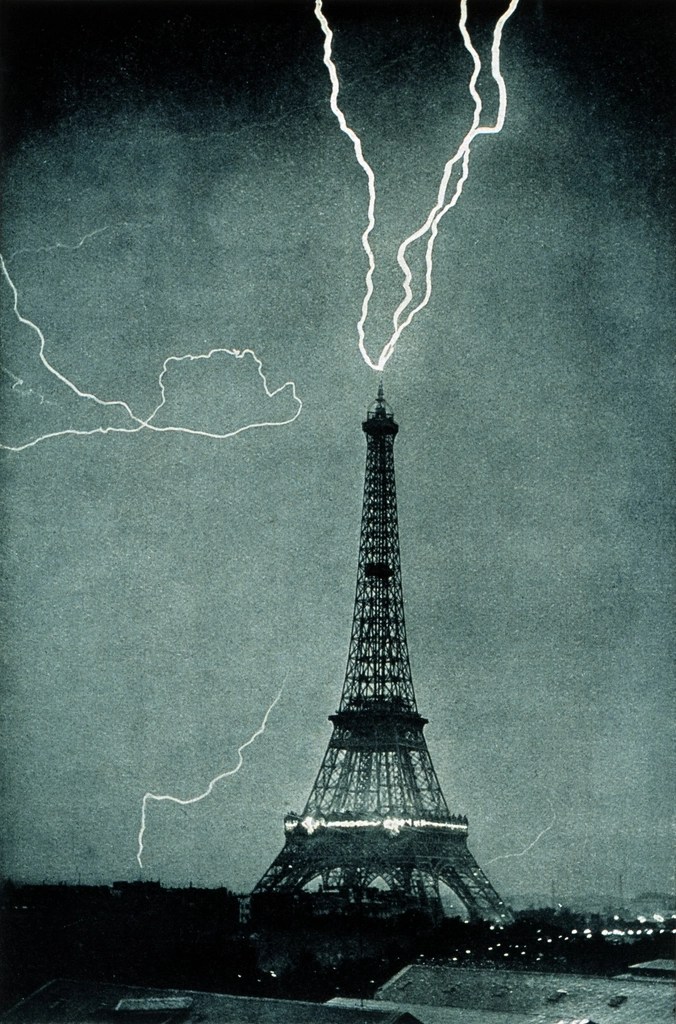
The shockingly beneficial effects of lightning on trees
The post discusses the dual nature of lightning’s impact on the environment. While it can kill trees, particularly in tropical forests, certain species like Dipteryx oleifera benefit from strikes by eliminating competing vegetation Additionally, lightning facilitates nitrogen fixation, promoting plant growth by contributing essential nutrients to the soil.
 Plant Cuttings