Tag: global warming
-

Celebrating dendrochronology and dendrochronologists
In the Circle of Ancient Trees, edited by Valerie Trouet, explores dendrochronology and its significance through ten extraordinary tree species. The book combines scientific insight with human interest stories from dendrochronologists, highlighting the intertwined relationship between trees and society. Engaging essays are complemented by illustrations, though source citation remains a…
-
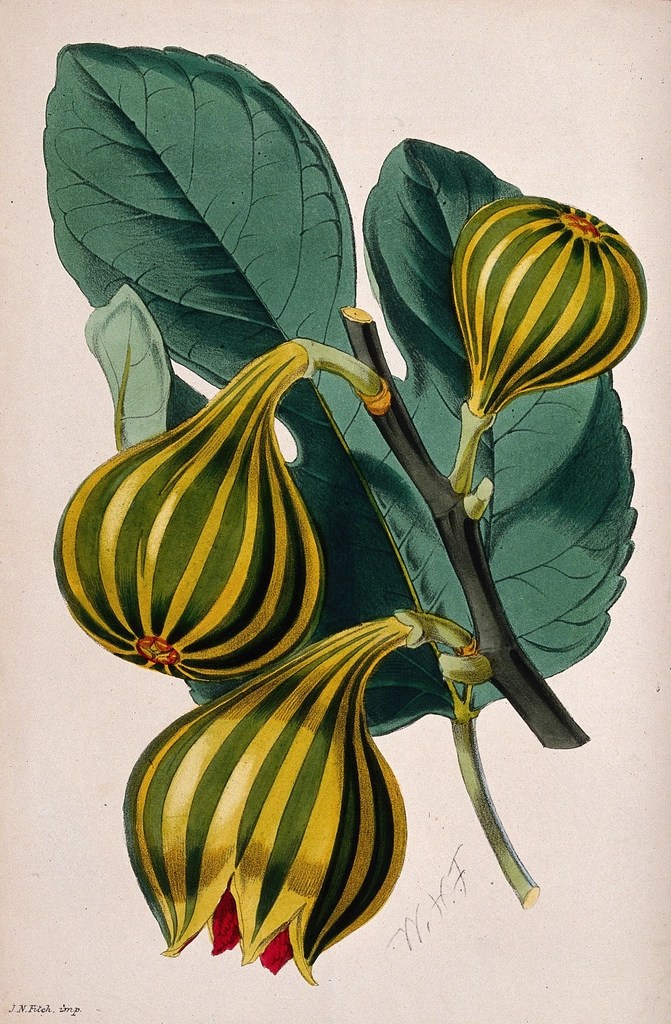
When is a tree not a tree? When it’s a rock(!)
By way of an introduction to “ergastic substances” in plants, Mr P Cuttings considers calcium oxalate and carbonate. And relates this to a report that certain fig trees can sequester such inorganic carbon, potentially maintaining carbon sinks post-death. This biomineralisation could help to mitigate climate change while also benefiting soil…
-

When volcanology meets plant biology*
Research by Guinn et al. (2024) indicates that volcanic CO2-enhanced plant growth, is detectable via satellite using the NDVI metric. Greener vegetation can be used as a proxy for increased CO2 release from volcanoes, serving as an early warning for volcanic activity. This method can also be used to monitor…
-

What’s the beef with hybrid rice?
This post discusses various types of coloured rice, including black, purple, blue, yellow, red, and pink rice. It also considers a new “pink rice” created in a laboratory by integrating rice grains with animal cells. Two hopes for this hybrid food are to address concerns around climate change, and provide…
-
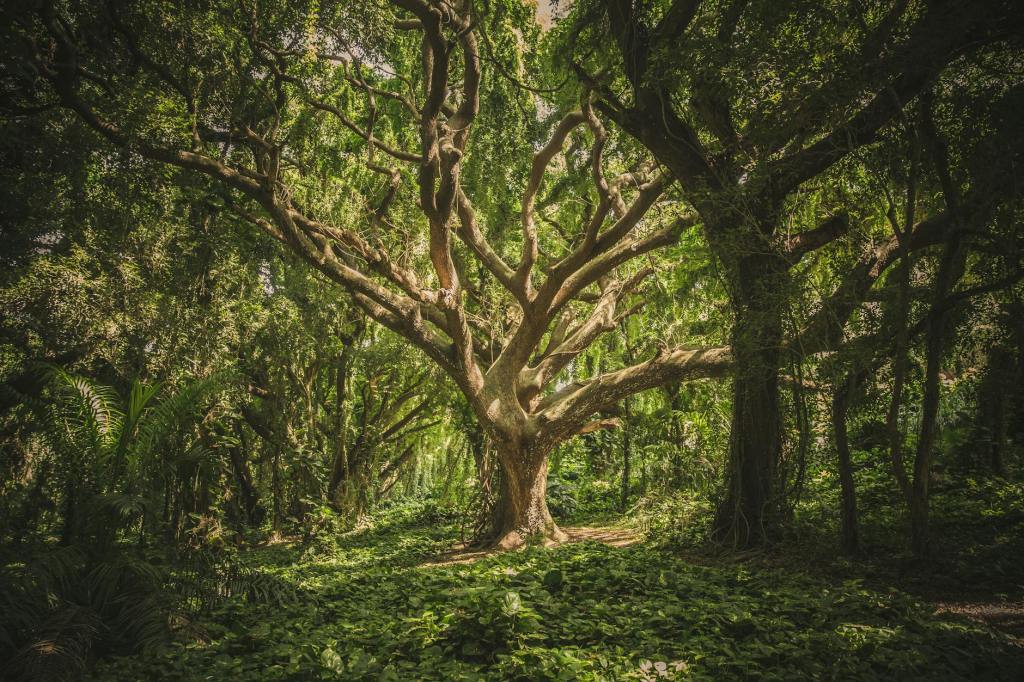
Tree planting, a hot topic…
This post discusses the significance of trees to humans, and highlights how trees provide not only physical resources but also essential ecosystem services. While tree-planting is a popular solution to mitigate climate change, it can have unintended consequences related to global warming. Addressing these issues will require thoughtful and evidence-backed…
-

Concrete, grounds for improvement
The use of coffee grounds in concrete enhances strength and sustainability. This breakthrough presents a solution that addresses concerns of building stability, such as those constructed with reinforced autoclaved aerated concrete (RAAC).
-

Under-appreciated plants: Moss
A comprehensive study conducted by an international team of researchers has underlined the vital role mosses play in supporting multiple ecosystem services, particularly in areas with low vascular-plant cover. Remarkably, mosses facilitate greater carbon sequestration, key nutrient pool sizes, and stronger control over soil-borne plant pathogens compared to bare soils.
 Plant Cuttings