Tag: Fungi
-
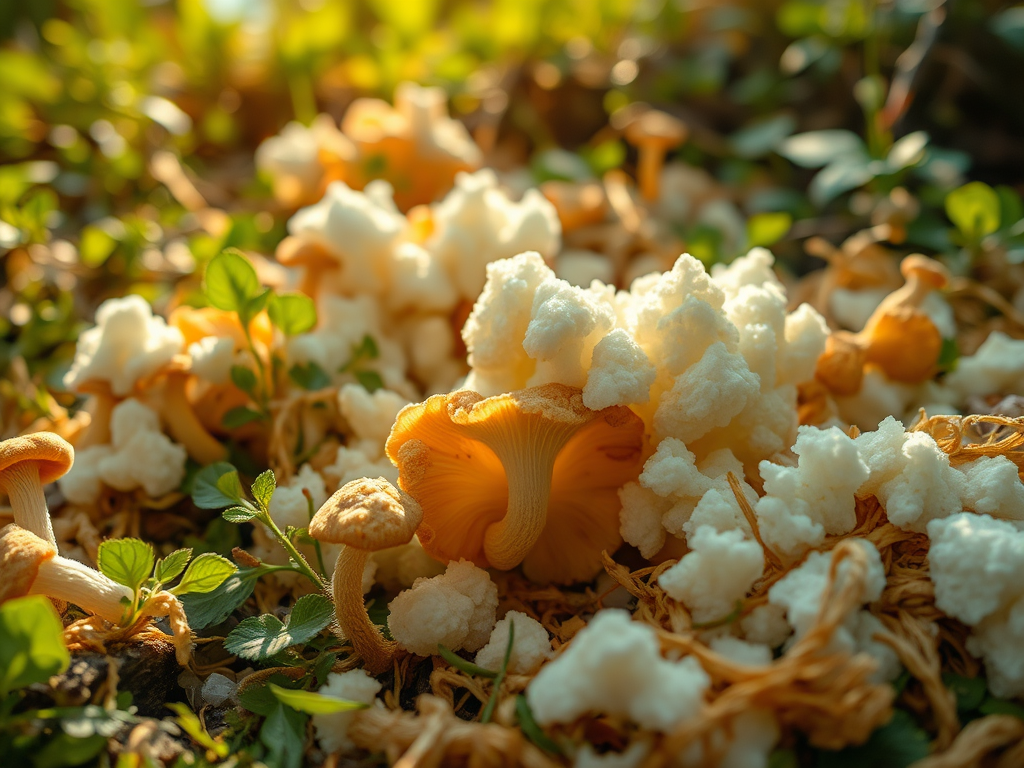
Mycology manages mattress mountain…
Every day, over 50,000 mattresses are discarded in the US, contributing significantly to landfill waste as they take up to 120 years to decompose. Innovative research explores use of fungi to convert mattress materials into sustainable insulation, highlighting potential benefits for recycling and environmental sustainability in the mattress industry.
-

Obscure fungal photofest
Funga obscura by Alison Pouliot is a beautifully written exploration of fungi, combining evocative text with stunning photography from various global locations. The book offers insights into the ecological significance of fungi, their relationships with other organisms, and the author’s philosophical approach to capturing their essence, making it a captivating…
-

Delivering your daily dose of fungi
“Mushroom Day” by Alison Pouliot is a delightful book featuring 24 essays on distinct fungi, each enriched with illustrations by Stuart Patience. Exploring various aspects of fungi folklore, biology, and conservation, it is written in engaging language. Pouliot aims to rekindle interest in the diverse world of fungi.
-

Humanity and fungi, a civilising combination?*
Frans Hals’ painting “The Merry Drinker” leads to a consideration of how settled agriculture and alcohol may have influenced the rise of civilizations. Whilst research by Václav Hrnčíř et al. (2025) suggests that traditional alcoholic beverages correlate with political complexity, other factors such as agriculture and religion likely played larger…
-
![Plants suffer from viruses too… [From algae to rice plants… III]](https://plantcuttings.uk/wp-content/uploads/2025/04/chjpdmf0zs9zdgf0awmvaw1hz2uvd2vic2l0zs8ymdiylta0l2xyl2zycmljzv9wywrkev9lynjvx2rlbhrhlwltywdllwt5ymfzndz0lmpwzw.webp?w=768)
Plants suffer from viruses too… [From algae to rice plants… III]
The post considers virus disease of plants and highlights research by Yu Huang et al. (2025) that reveals how rice detects and responds to viral infection. Such work is crucial for enhancing crop resilience and ensuring food security for the global human population.
-

Fungi (and bacteria), living the high life…
Xavier Rodó et al. (2024) discovered fungi and bacteria at altitudes up to 10,000 feet above Chōfu, Japan, indicating long-distance microbial transport from Northeast China. The presence of potential human pathogens raises health concerns, especially regarding multi-drug resistant strains, highlighting risks associated with airborne microorganisms and their environmental impact.
-
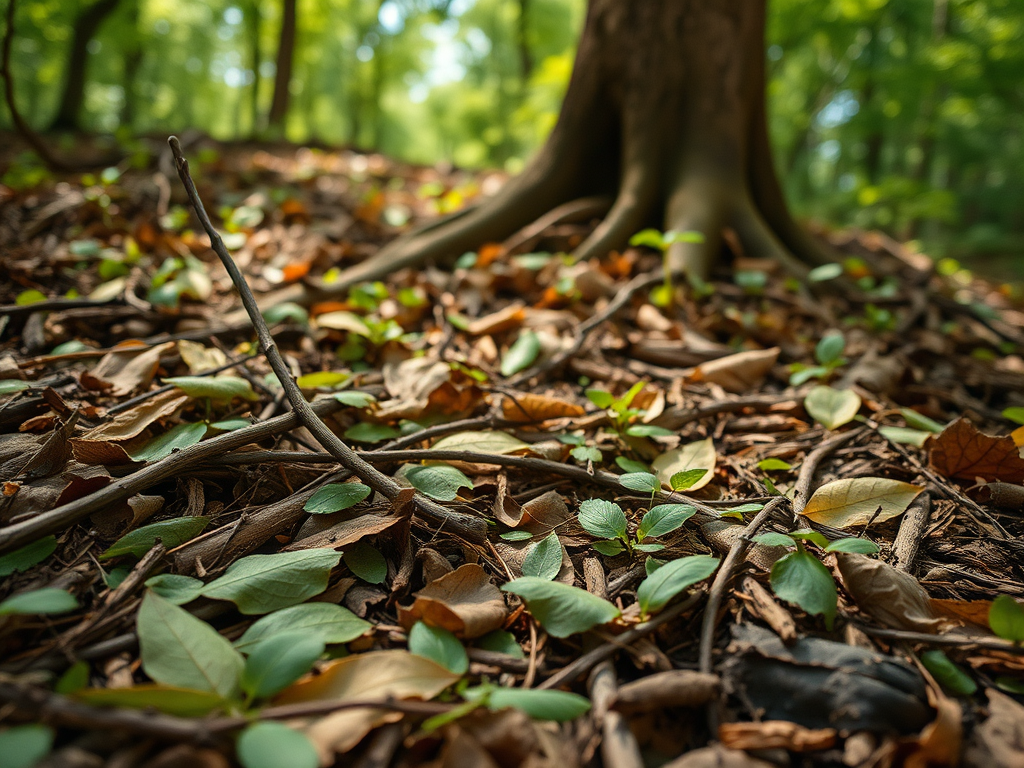
Inverting cellulose-degrading enzymes
The image of a springtail emphasizes the role of soil invertebrates in decomposition,. Traditionally as shredders of organic matter they help fungi and bacteria do their work. Research by Hannah Muelbaier et al. (2024) reveals cellulose-degrading genes in soil invertebrates like springtails and mites, suggesting they may contribute more directly…
-
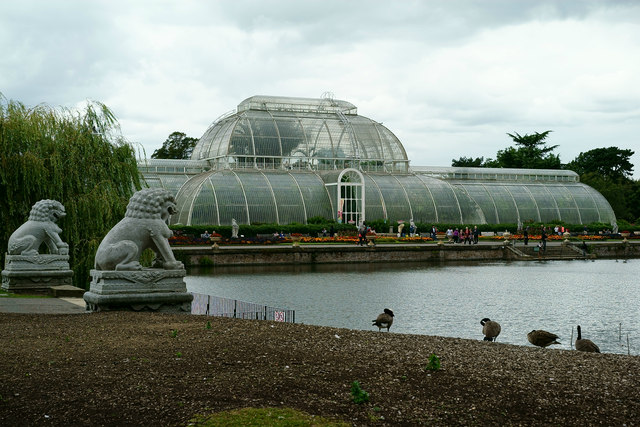
Kew’s imaginative pocketbooks, Part 1
Titles in Kew’s Pocketbook series, featuring books with 40 botanical paintings from Kew’s extensive archive, showcases diverse plant groups and collections. Each book, lavishly includes plant examples, and an expert introduction. Although there is an unevenness in text to accompany the illustrations between titles, the series offers valuable collections of…
 Plant Cuttings