Tag: ethnobotany
-
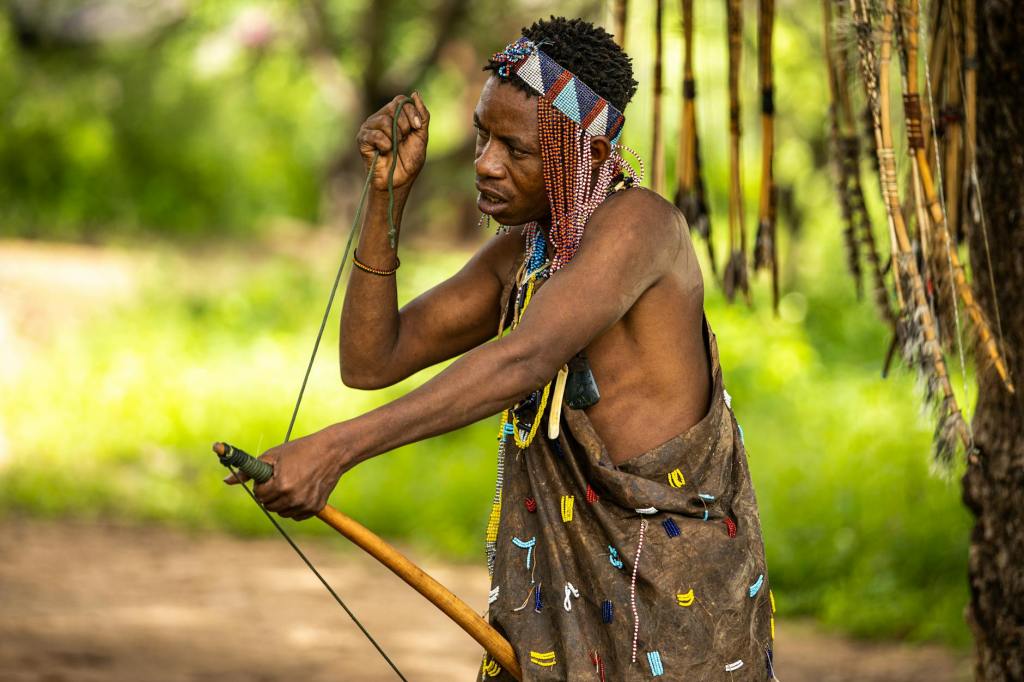
Plant-based tips for hunting
Sven Isaksson et al. have identified toxic alkaloids on stone arrowheads from a rock shelter in Kwa-Zulu Natal. The most likely source of the alkaloids is the ‘poison bulb’, Boophone disticha. Dated to 60,000 years ago, this is the oldest-known evidence of hunting with poisoned arrows in the world.
-

The wooden universal Australian
Eucalyptus by Stephen D Hopper uniquely integrates Aboriginal and Western scientific perspectives on eucalypts, offering insights into their cultural significance and ecological roles. The book includes first-hand accounts of Aboriginal practices and contrasts them with European views, emphasizing eucalypts’ importance and advocating for their conservation amid modern threats.
-

24 hours in the botanical 8th continent
Tree day by Meg Lowman explores the intricate biology and ecology of trees, focusing on 24 species through personal anecdotes and insights from her extensive fieldwork. The book emphasizes the ecological significance of tree canopies and is a charming introduction to tree biology, and the daily life of an arbornaut.
-
Pulling the stuffing out of plants…
Jonathan Drori’s book, the stuff that stuff is made of, explores the crucial role of plants in human life. Featuring 30 plants, it blends factual information with engaging illustrations, anecdotes, and humour to bridge plant-awareness gaps. Intended for readers aged 7 to 100, it aims to inspire curiosity and appreciation…
-

Delivering your daily dose of fungi
“Mushroom Day” by Alison Pouliot is a delightful book featuring 24 essays on distinct fungi, each enriched with illustrations by Stuart Patience. Exploring various aspects of fungi folklore, biology, and conservation, it is written in engaging language. Pouliot aims to rekindle interest in the diverse world of fungi.
-
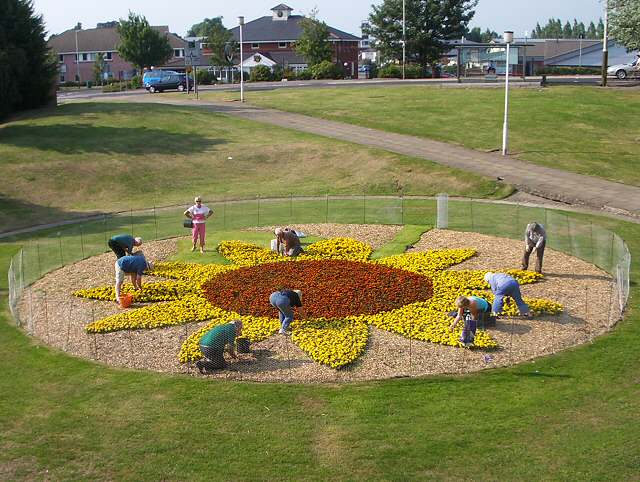
24 hours of flower power…
“Flower Day” by Sandra Knapp presents 24 mini-essays on diverse plants, highlighting their biology, ecology, and ethnobotanical significance. The book reflects on floral beauty and the intricate relationships between plants, pollinators, and indigenous knowledge, fostering appreciation for nature while emphasizing the need to protect it amidst environmental threats.
-
Wildflowers unveiled: Science and secrets behind nature’s beauty
Chris Thorogood’s “Wildflowers” explores the diverse world of wildflower biology, covering topics such as ecology, evolution, and conservation. Suitable for an intelligent, teenager-plus aged audience, the book offers concise chapters with abundant illustrations. While informative, it provides limited sourced facts. Overall, it celebrates the planet’s rich diversity of wild plants.
-

Moss and lichen: A deep dive into cryptogams
Elizabeth Lawson’s “Moss and Lichen” is a groundbreaking addition to Reaktion Books’ Botanical series, shifting focus from vascular to non-vascular plants and encompassing fungi. Integrating biology, ecology, and cultural relevance, the book explores the nature of mosses and lichens, their roles in ecosystems, and their significance to humanity.
-

Stone is dead. Long live wood!
As we look forward to 2025, Mr P Cuttings reflects on human prehistory and the correctness of the term ‘Stone Age’. Leder et al’s studies at Schöningen suggest it should be renamed the ‘Wood Age’ due to the significance of wooden tools and woodworking skills in early human development.
-
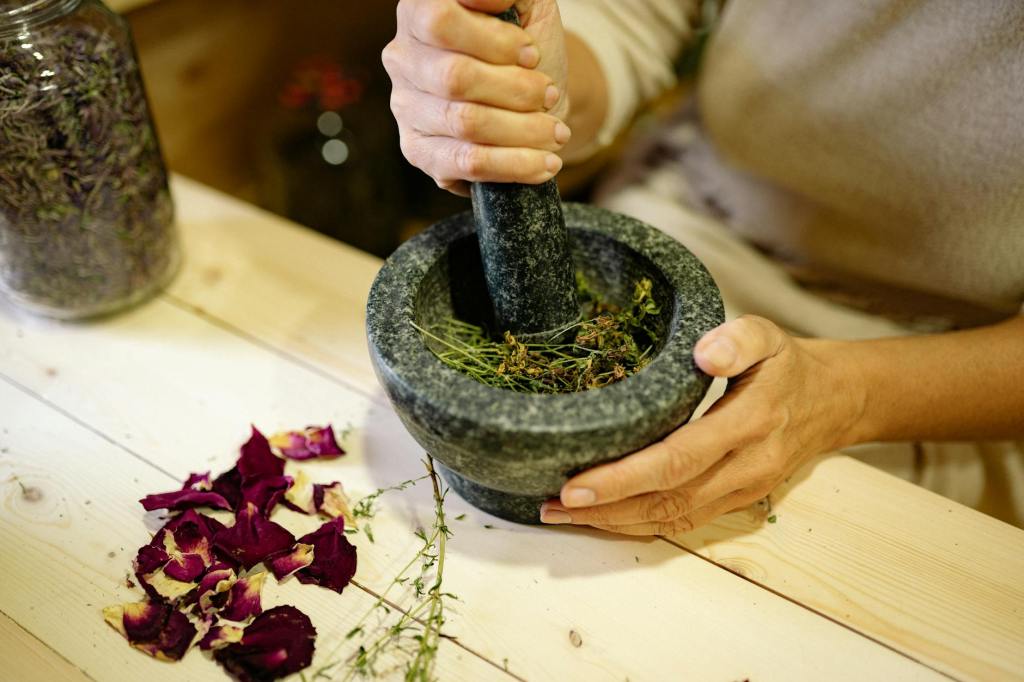
Botanical Origins of Modern Medicines
“Modern medicines from plants,” edited by Henry Oakeley, explores over 50 plants integral to modern prescription drugs. It chronicles the historical use and transition of these plants into medical treatments, detailing the origin stories of various drugs. The book is informative, well-illustrated, and a significant contribution to understanding plant-based medicines.
 Plant Cuttings