Tag: cyanobacteria
-

Detecting cyanobacterial blooms with NASA’s EMIT
NASA’s EMIT technology utilizes spectroscopy to analyze minerals in Earth’s deserts and has expanded its utility by detecting phycocyanin in wastewater from the Tijuana River. This insight reveals potential health risks linked to harmful algal blooms, significantly aiding coastal water quality monitoring while addressing environmental concerns from nutrient enrichment.
-
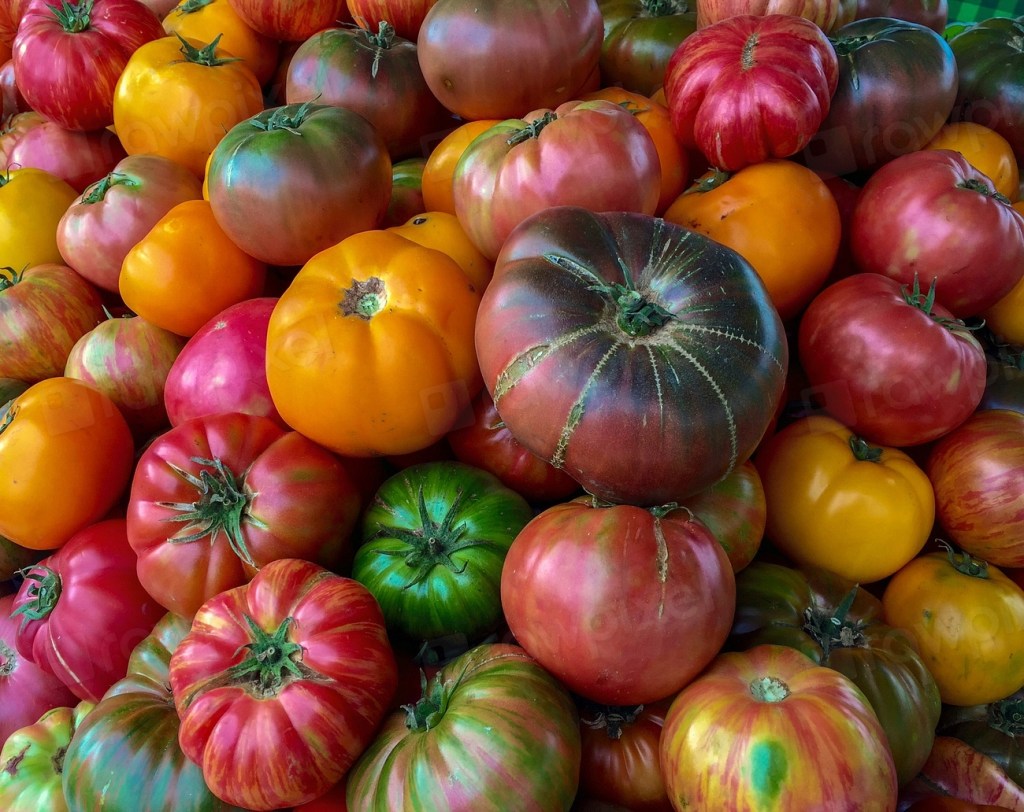
Photosynthesis operating above par…
Lazzarin et al. (2025) show that far-red light (701-750 nm), previously considered outside of photosynthetically active radiation (PAR), can enhance photosynthesis in tomato plants. While research suggests revising PAR definitions to include far-red wavelengths, the role of this light in plant life remains complex and requires further investigation to fully…
-

Exploring the biology of algae, lichens, and bryophytes
The book “Biology of algae, lichens and bryophytes,” edited by Büdel, Friedl & Beyschlag, offers a comprehensive overview of these crucial organisms, highlighting their biodiversity and ecological significance. Its pedagogic credentials are high and provides insights for advanced students and enthusiasts in plant biology.
-

Protective power of moss (etc.)
Yousong Cao et al’s study shows that moss and cyanobacteria biocrusts protect the rammed-earth portions of the Great Wall of China. The biocrusts enhance the wall’s stability and reduce its erosion, emphasizing the crucial role that biocrusts can play in preserving ancient earthen structures.
 Plant Cuttings