Category: plant cutting
-

Protective power of moss (etc.)
Yousong Cao et al’s study shows that moss and cyanobacteria biocrusts protect the rammed-earth portions of the Great Wall of China. The biocrusts enhance the wall’s stability and reduce its erosion, emphasizing the crucial role that biocrusts can play in preserving ancient earthen structures.
-

Primates and primary health care
Researchers documented a Sumatran orangutan using a plant to heal a facial wound, in an example of non-person self-medication. The plant is traditionally used by humans to treat various ailments, and its use by an orangutan suggests the potential for identifying unknown medicinal plants through ape behaviour.
-

The ultimate plant cutting(!)
The natural world showcases various inter-kingdom collaborations, such as ants farming fungi. Research by Daniela Römer et al. reveals how leaf-cutter ants precisely excise leaf fragments, shedding light on their intricate cutting mechanism.
-
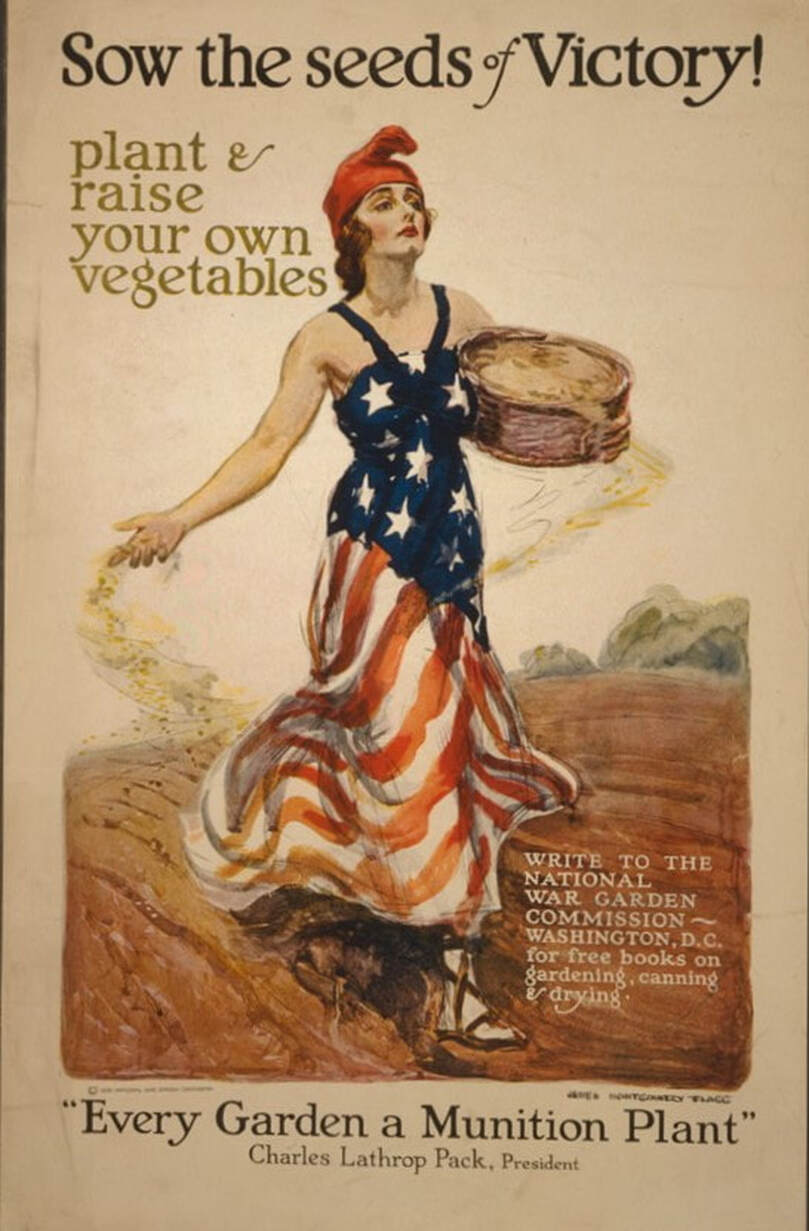
Seed biology, going through the motions…
Although immobile, and rooted-to-the-spot, flowering plants have tremendous mobility via their seeds. This post highlights one record-breaking example of invertebrate-assisted seed dispersal by woodlice and earwigs.
-
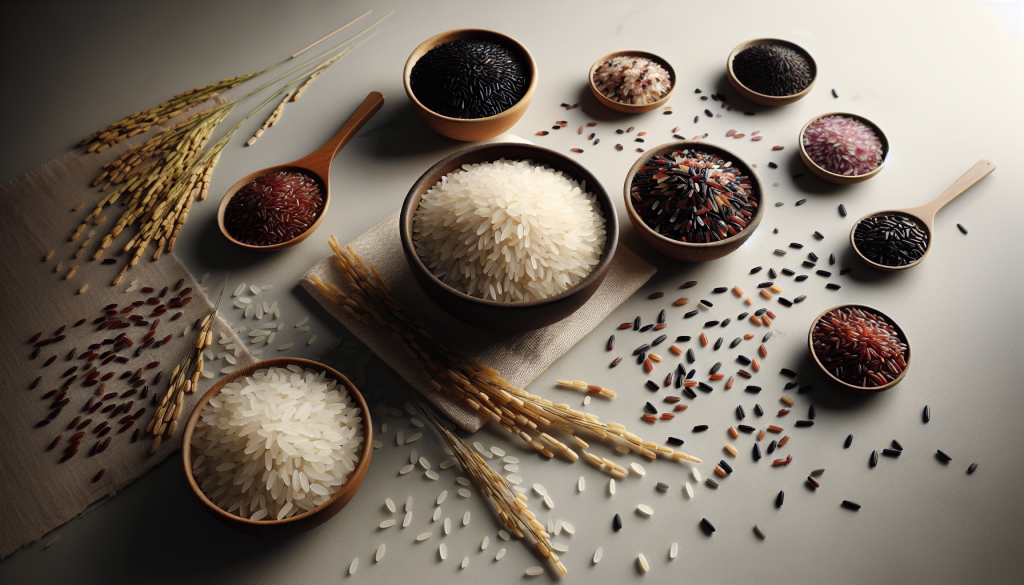
What’s the beef with hybrid rice?
This post discusses various types of coloured rice, including black, purple, blue, yellow, red, and pink rice. It also considers a new “pink rice” created in a laboratory by integrating rice grains with animal cells. Two hopes for this hybrid food are to address concerns around climate change, and provide…
-
Evolution of Plant Cuttings
The author revisits his 2010 article on the carnivorous plant Nepenthes attenboroughii. Recognising that his communication style – and the purpose of a Plant Cutting item – has changed since that time, he presents a revised 2024 version of the news item (suitably updated for post-2010 information). Insights into Mr…
-

Exploitation potential of plant products…
This post delves into the chemical capabilities of plants and humans’ innovation in utilizing plant compounds. It highlights the discovery of a new insecticidal protein from ferns with potential for crop protection. Additionally, it explores the creation of sustainable polymers from cellulose, offering an alternative to conventional plastics. These advancements…
-
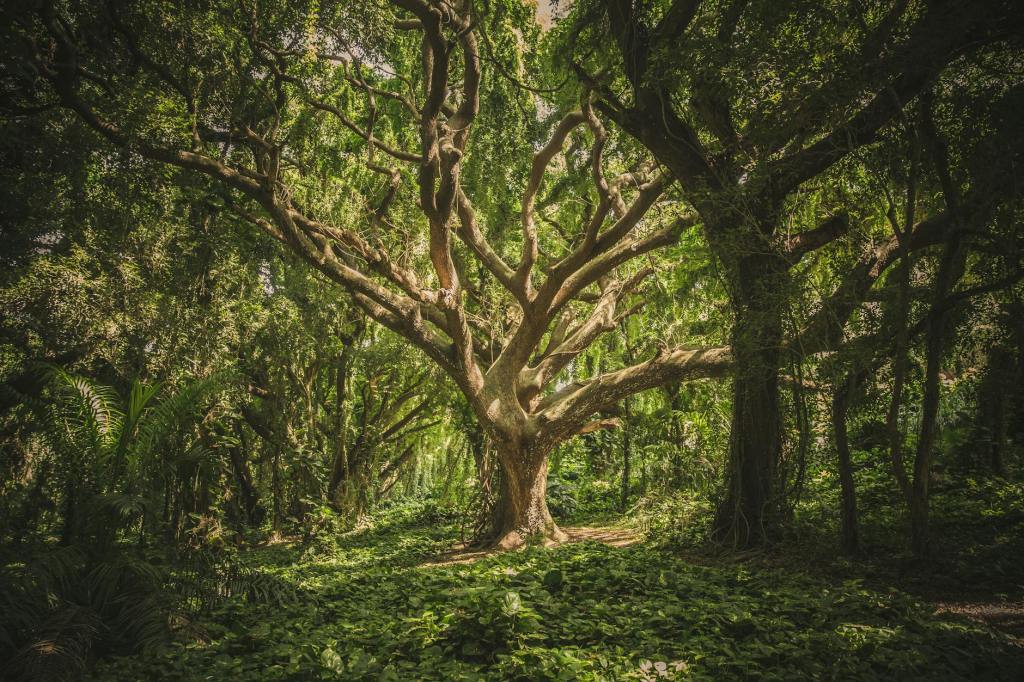
Tree planting, a hot topic…
This post discusses the significance of trees to humans, and highlights how trees provide not only physical resources but also essential ecosystem services. While tree-planting is a popular solution to mitigate climate change, it can have unintended consequences related to global warming. Addressing these issues will require thoughtful and evidence-backed…
-
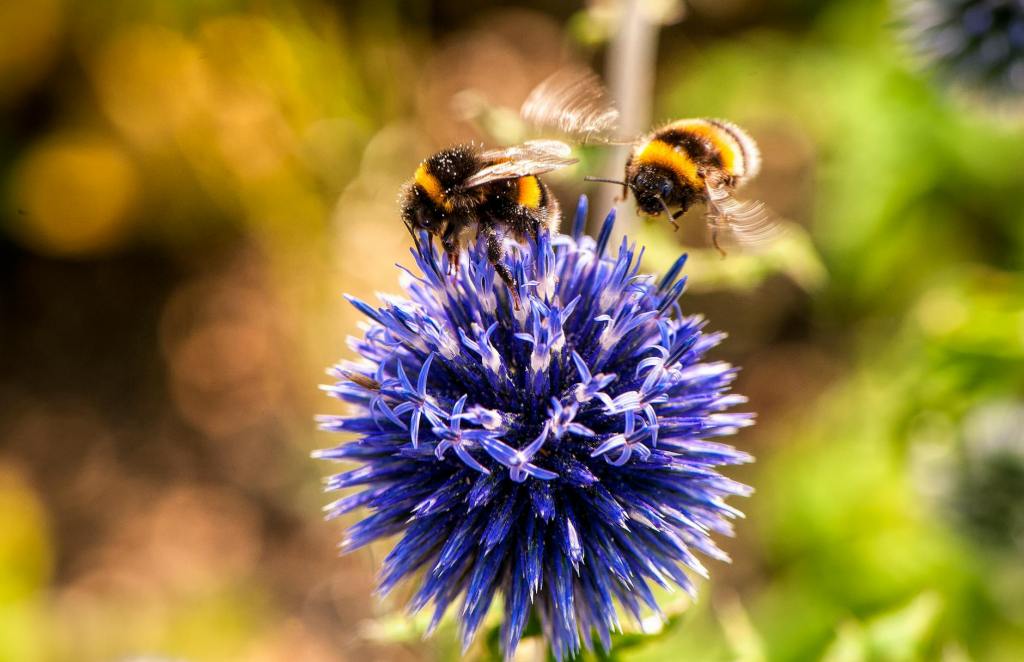
Bumblebee-bothering, pollen-pilfering honey bees
Flowers and insects have a long history of coevolution. Insects as pollinators are rewarded with nectar and pollen. Some bees exploit this and engage in nectar robbery. Honey bees in Italy have been observed stealing pollen from bumblebees, contributing to a range of pollen-gathering behaviors. Honey robbery from hives by…
-
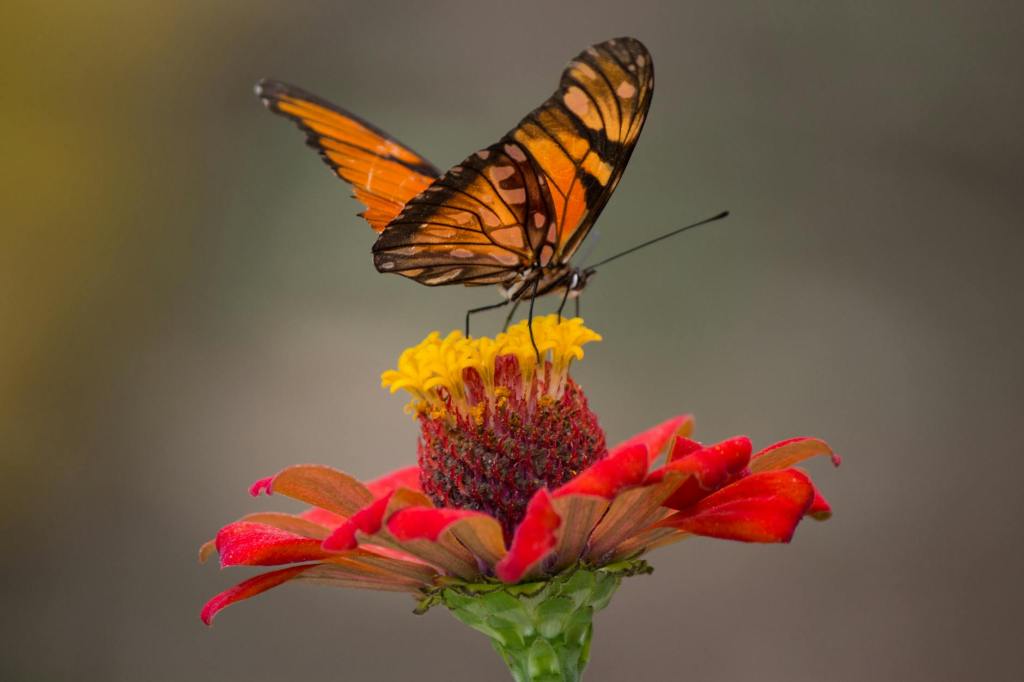
Pollutants and pollination, a radical view
The post discusses the impact of nitrogen trioxide (NO3) on plant-pollinator interactions. NO3 disrupts floral scents, affecting insect foraging and pollination. This has far-reaching implications for global food crops and natural ecosystems. Research suggests that human intervention and cultivation practices can potentially offset the negative effects. However, addressing the root…
 Plant Cuttings