Category: plant cutting
-
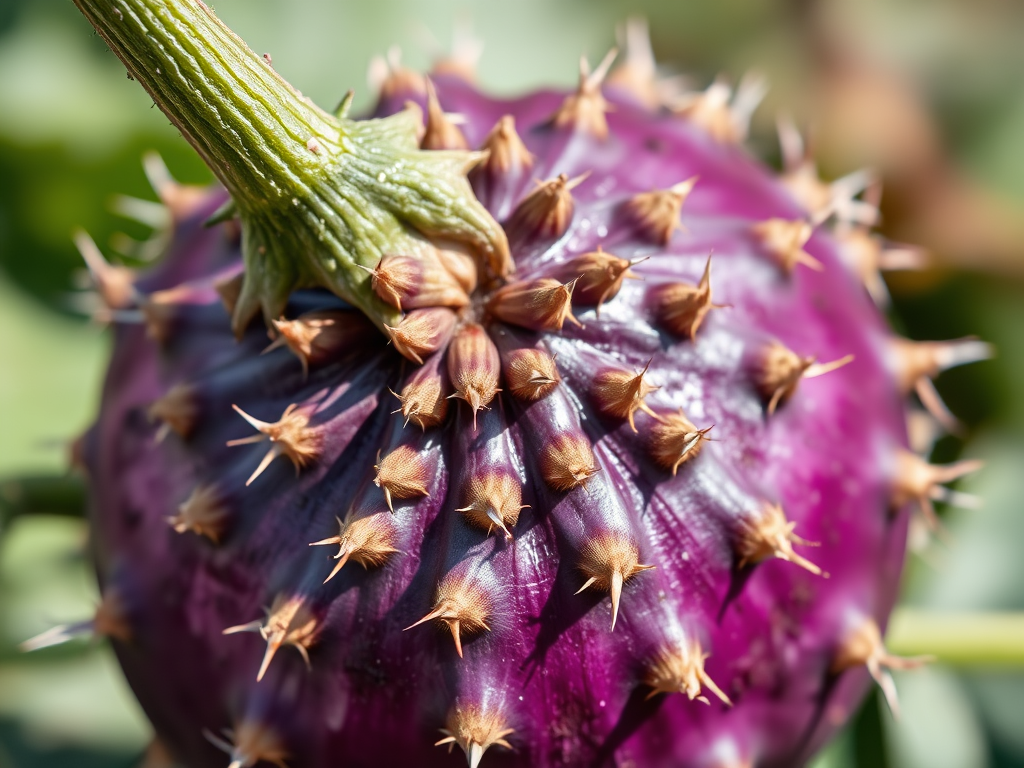
Gene-editing, taking the ouch out of touch
The post provides background on plant defenses against herbivores, focusing on prickles, thorns, and spines. It then looks in detail at work by Satterlee et al. who used CRISPR-Cas9 techniques to create prickle-free variants of aubergine and other Solanum species, potentially transforming agricultural practices and enhancing food safety during harvesting…
-

Plants, biting the hand that weeds them…
By way of preamble the post discusses the multiple uses of plant fibres, especially in relation to paper in books and newspapers, and longevity of the printed word. The post then discusses research into what types of paper cause paper cuts, and how the results led to creation of the…
-

The seed-spreading power of water
After providing some background on water’s unusual properties, this post considers some of the roles of water in plant biology. In particular, it looks at the work of Finn Box et al. on seed dispersal by the squirting cucumber.
-

How unique are scientific names?
This post explores the uniqueness of scientific names, highlighting their limitations. Governed by various codes of nomenclature, these names can overlap across different groups of organisms, leading to such phenomena as hemihomony. The post also discusses tautonyms, which are not allowed in plant nomenclature, reflecting the complexities and idiosyncracies in…
-

Did Linnaeus invent binomial nomenclature?
The post discusses the origins of binomial nomenclature, often attributed solely to Carl Linnaeus. It reveals that while Linnaeus popularized and standardized the system, earlier forms existed, notably by Caspar Bauhin. The conclusion emphasizes that Linnaeus did not invent binomial nomenclature, but should be credited with its consistent application.
-

Botanical potpourri No. 1
This post explores various plant-based topics, focusing on newly discovered species and their significance. It highlights the discovery of the “Ghost palm” and critically endangered species. Additionally, it discusses forensic botany’s role in uncovering historical uses of plants and the ecological impact of migrating butterflies potentially spreading fungal diseases.
-

Stone is dead. Long live wood!
As we look forward to 2025, Mr P Cuttings reflects on human prehistory and the correctness of the term ‘Stone Age’. Leder et al’s studies at Schöningen suggest it should be renamed the ‘Wood Age’ due to the significance of wooden tools and woodworking skills in early human development.
-

Whisky galore: The tale of shipwrecked spirits
Whisky Galore! is a 1949 British comedy about whisky-deprived Scottish islanders who seize a stranded ship’s cargo. A recent project aims to create whiskey from shipwrecked American rye grains, which tale is told here, This post is also an opportunity – albeit a little early – to raise a toast…
-

Fungi (and bacteria), living the high life…
Xavier Rodó et al. (2024) discovered fungi and bacteria at altitudes up to 10,000 feet above Chōfu, Japan, indicating long-distance microbial transport from Northeast China. The presence of potential human pathogens raises health concerns, especially regarding multi-drug resistant strains, highlighting risks associated with airborne microorganisms and their environmental impact.
-
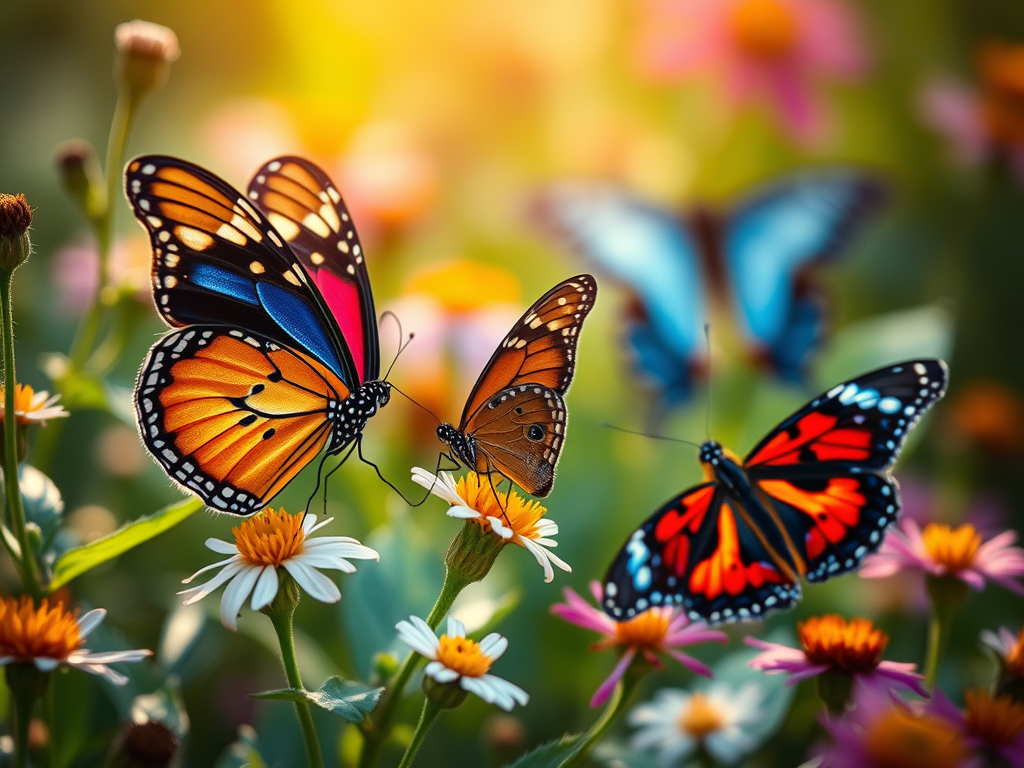
Shocking news about pollen
This post discusses a study by England and Robert (2024) exploring static electricity’s potential role in non-contact pollination by butterflies and moths. Their research suggests that these insects can attract pollen through static charges during flight. However, direct observation of pollen transfer is still needed to confirm this phenomenon’s occurrence…

