Category: plant cutting
-

Detecting cyanobacterial blooms with NASA’s EMIT
NASA’s EMIT technology utilizes spectroscopy to analyze minerals in Earth’s deserts and has expanded its utility by detecting phycocyanin in wastewater from the Tijuana River. This insight reveals potential health risks linked to harmful algal blooms, significantly aiding coastal water quality monitoring while addressing environmental concerns from nutrient enrichment.
-

Getting to the bottom of 18th century embalming practice
This post explores the intriguing use of wood in an 18th-century Austrian corpse preservation method. The mummified remains of priest Franz Xaver Sidler von Rosenegg were notably preserved using wood chips (and other materials), revealing an unprecedented abdominal packing technique via the rectum, a unique aspect of historical embalming practices.
-

Recipe: wood + eggs + rice = ?
This post discusses the development of engineered transparent wood (ETW) using egg whites and rice (and wood!) as a sustainable alternative to traditional materials like glass. It highlights improved biodegradability and energy efficiency, along with potential applications such as insulation and electrical conductivity, showcasing wood’s versatility and value in modern…
-

“Wood and cellulose civilized Man”
The post highlights the remarkable utility of wood, emphasizing recent developments in its applications, such as the launch of LignoSat, a satellite made primarily from magnolia wood. This innovative design aims to assess wood’s durability and potential in space, presenting a sustainable alternative to traditional metal satellites, especially regarding biodegradability…
-

Solar eclipses and ‘talking trees’
Researchers found that spruce trees exhibit synchronized bioelectrical responses before and during a solar eclipse, potentially anticipating the event up to 14 hours in advance. Despite concerns over small sample sizes and the media’s sensationalist interpretations, the study suggests deeper ecological communication among trees, emphasizing the preservation of older trees…
-
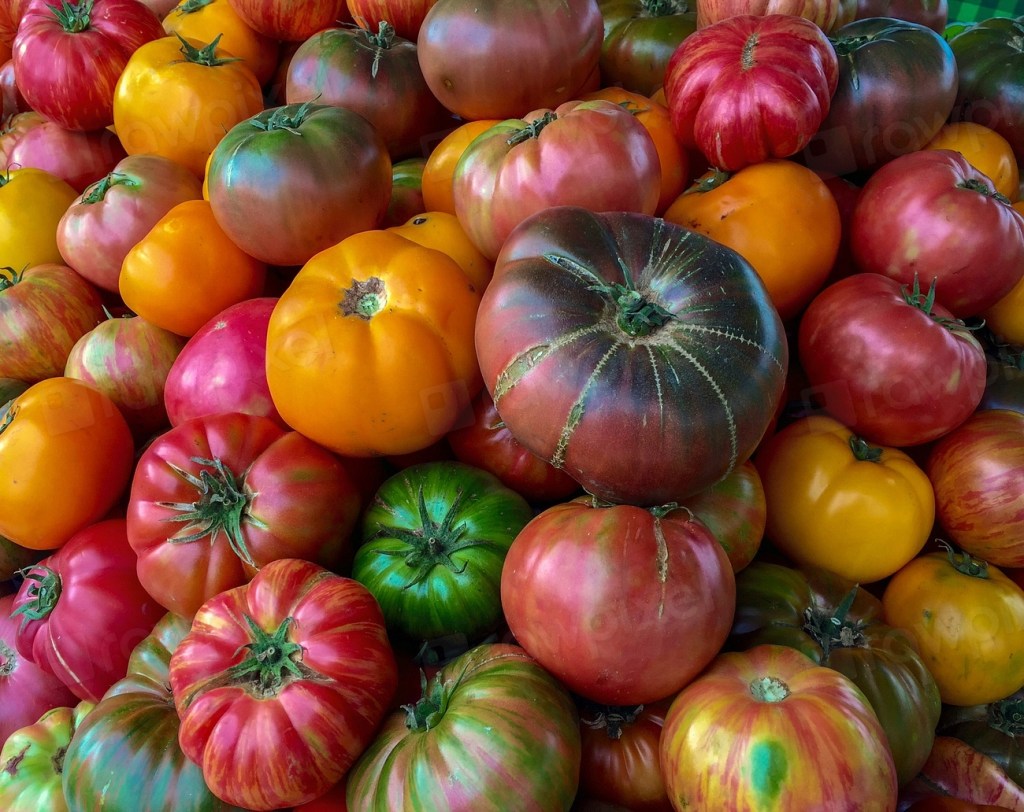
Photosynthesis operating above par…
Lazzarin et al. (2025) show that far-red light (701-750 nm), previously considered outside of photosynthetically active radiation (PAR), can enhance photosynthesis in tomato plants. While research suggests revising PAR definitions to include far-red wavelengths, the role of this light in plant life remains complex and requires further investigation to fully…
-

When volcanology meets plant biology*
Research by Guinn et al. (2024) indicates that volcanic CO2-enhanced plant growth, is detectable via satellite using the NDVI metric. Greener vegetation can be used as a proxy for increased CO2 release from volcanoes, serving as an early warning for volcanic activity. This method can also be used to monitor…
-
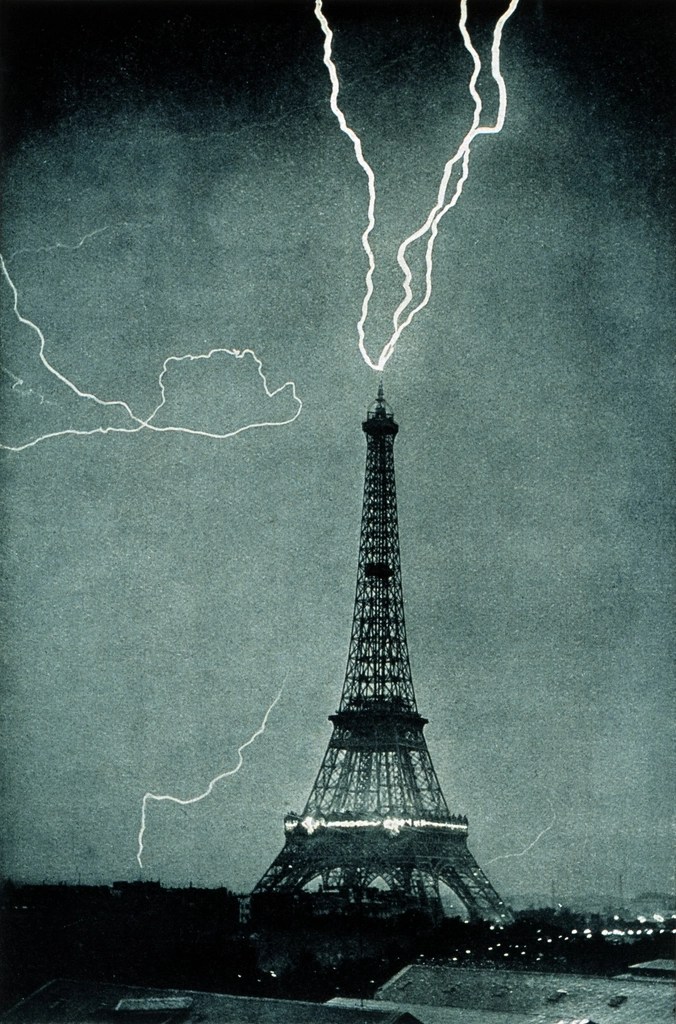
The shockingly beneficial effects of lightning on trees
The post discusses the dual nature of lightning’s impact on the environment. While it can kill trees, particularly in tropical forests, certain species like Dipteryx oleifera benefit from strikes by eliminating competing vegetation Additionally, lightning facilitates nitrogen fixation, promoting plant growth by contributing essential nutrients to the soil.
-

Microplastics and plants: A surprising connection
Ye Li et al. (2025) discovered that maize leaves absorb airborne microplastics (MPs) through stomata. Finding MPs in vascular tissues, they could potentially move within the plant, e.g., into developing fruits, raising concerns about human consumption. Additionally, MPs were found in leaves of several other human food plants, indicating an…
-

The scented statues: Greco-Roman aromatic practices
The post discusses the olfactory heritage of ancient Greco-Roman sculptures, emphasising the use of aromatic oils and perfumes on statues. Research by Cecilie Brøns reveals that scent-enriched religious and secular artworks suggest an intriguing sensory experience beyond their visual appeal, thus inviting further exploration into ancient practices of beautification through…
 Plant Cuttings