Category: plant cutting
-

“Wood and cellulose civilized Man”
The post highlights the remarkable utility of wood, emphasizing recent developments in its applications, such as the launch of LignoSat, a satellite made primarily from magnolia wood. This innovative design aims to assess wood’s durability and potential in space, presenting a sustainable alternative to traditional metal satellites, especially regarding biodegradability…
-

Solar eclipses and ‘talking trees’
Researchers found that spruce trees exhibit synchronized bioelectrical responses before and during a solar eclipse, potentially anticipating the event up to 14 hours in advance. Despite concerns over small sample sizes and the media’s sensationalist interpretations, the study suggests deeper ecological communication among trees, emphasizing the preservation of older trees…
-
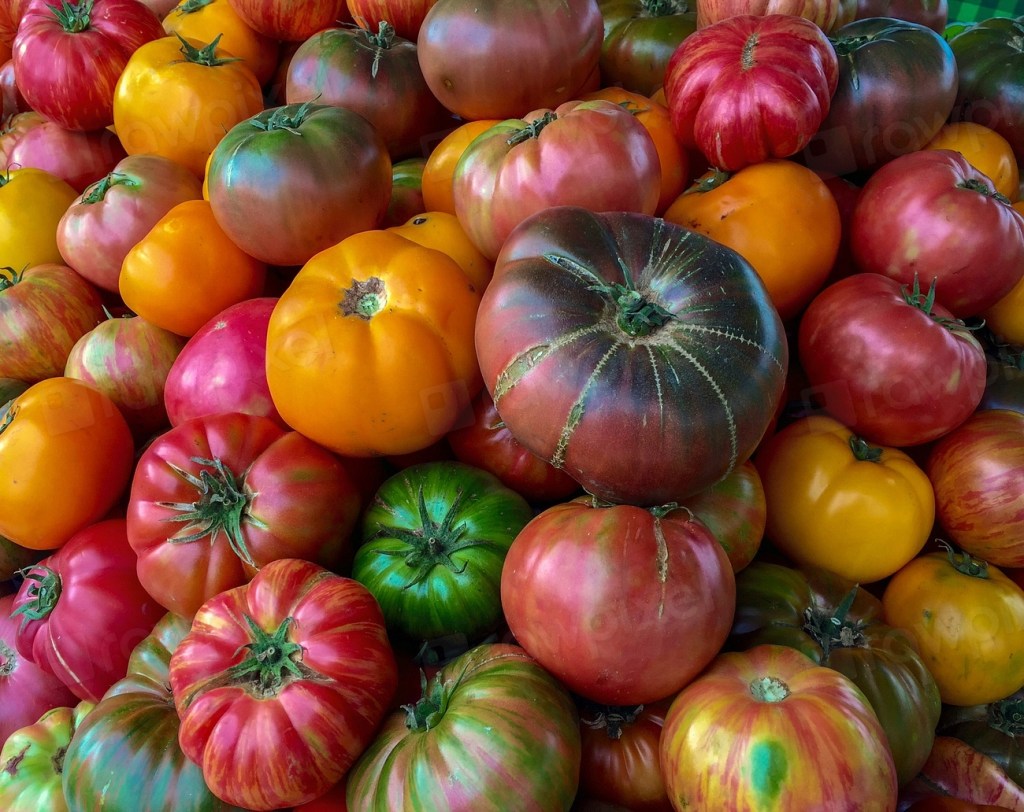
Photosynthesis operating above par…
Lazzarin et al. (2025) show that far-red light (701-750 nm), previously considered outside of photosynthetically active radiation (PAR), can enhance photosynthesis in tomato plants. While research suggests revising PAR definitions to include far-red wavelengths, the role of this light in plant life remains complex and requires further investigation to fully…
-

When volcanology meets plant biology*
Research by Guinn et al. (2024) indicates that volcanic CO2-enhanced plant growth, is detectable via satellite using the NDVI metric. Greener vegetation can be used as a proxy for increased CO2 release from volcanoes, serving as an early warning for volcanic activity. This method can also be used to monitor…
-

The shockingly beneficial effects of lightning on trees
The post discusses the dual nature of lightning’s impact on the environment. While it can kill trees, particularly in tropical forests, certain species like Dipteryx oleifera benefit from strikes by eliminating competing vegetation Additionally, lightning facilitates nitrogen fixation, promoting plant growth by contributing essential nutrients to the soil.
-

Microplastics and plants: A surprising connection
Ye Li et al. (2025) discovered that maize leaves absorb airborne microplastics (MPs) through stomata. Finding MPs in vascular tissues, they could potentially move within the plant, e.g., into developing fruits, raising concerns about human consumption. Additionally, MPs were found in leaves of several other human food plants, indicating an…
-

The scented statues: Greco-Roman aromatic practices
The post discusses the olfactory heritage of ancient Greco-Roman sculptures, emphasising the use of aromatic oils and perfumes on statues. Research by Cecilie Brøns reveals that scent-enriched religious and secular artworks suggest an intriguing sensory experience beyond their visual appeal, thus inviting further exploration into ancient practices of beautification through…
-

Ancient sand farmers of The Levant
The plot-and-berm agroecosystem in Caesarea, established over a thousand years ago, transformed sandy soil into productive agricultural land. By creating small plots surrounded by berms, early inhabitants enhanced soil fertility and utilized groundwater for irrigation. This ingenious system showcases ancient agricultural techniques, offering insights relevant to modern farming in arid…
-
![Plants suffer from viruses too… [From algae to rice plants… III]](https://plantcuttings.uk/wp-content/uploads/2025/04/chjpdmf0zs9zdgf0awmvaw1hz2uvd2vic2l0zs8ymdiylta0l2xyl2zycmljzv9wywrkev9lynjvx2rlbhrhlwltywdllwt5ymfzndz0lmpwzw.webp?w=768)
Plants suffer from viruses too… [From algae to rice plants… III]
The post considers virus disease of plants and highlights research by Yu Huang et al. (2025) that reveals how rice detects and responds to viral infection. Such work is crucial for enhancing crop resilience and ensuring food security for the global human population.
-
![Predictable red tides? [From algae to rice plants… II]](https://plantcuttings.uk/wp-content/uploads/2025/04/pexels-photo-3992945.jpeg?w=963)
Predictable red tides? [From algae to rice plants… II]
This post discusses dinoflagellates and red tides. In particular it considers Karenia brevis and work by Shen Jean Lim et al., who have identified viruses in K. brevis harmful algal bloom (HABs). This discovery suggests potential viral control methods for mitigating such red tides and improving early warning of them.
 Plant Cuttings