Category: book review
-
Who wants to be a bad botanist?
“How to be a bad botanist” by Simon Barnes is an informative and engaging book that aims to enhance botanical literacy and tackle plant blindness. Despite lacking sources, the book offers practical advice, delightful plant portraits, and a captivating narrative of the author’s botanical journey. It is a valuable read…
-

Putting Indigenous plant knowledge where it belongs
The ethnobotanical by Sarah Edwards celebrates global indigenous plant knowledge, focusing on historical and contemporary interactions between people and plants. The book presents a bittersweet narrative, highlighting the loss of ancient botanical wisdom, challenging colonial exploitation, and emphasising the urgency of preserving ethnobotanical knowledge.
-
Practically perfect plant poisons’ publication
Noah Whiteman’s “Most Delicious Poison” is an engaging exploration of the influence of nature’s toxins on human history and behavior. Through a well-referenced and approachable narrative, it delves into the interplay between plant compounds and humanity. The book also highlights the personal connection that led Whiteman to embark on this…
-
Kew’s imaginative pocketbooks, Part 3
The post concludes Mr P Cuttings’ evaluations of Kew’s Pocketbook series, and considers Carnivorous plants, Festive flora, Palms, and Cacti. Each book features botanical illustrations and introductions by experts but most of them lack the promised detailed annotations. Richly illustrated, the titles here considered – and the series as a…
-
Kew’s imaginative pocketbooks, Part 2
This post provides a detailed evaluation of four titles from the Kew Pocketbook series, Houseplants, Mexican Plants, Herbs and Spices, and Fruit. Each book is lavishly illustrated and provides an introduction by an expert from Kew.
-
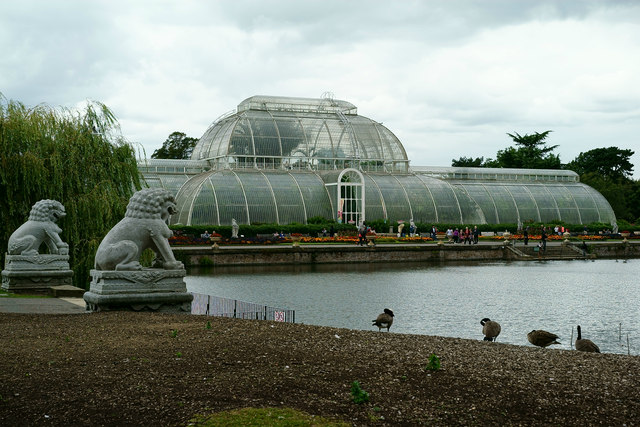
Kew’s imaginative pocketbooks, Part 1
Titles in Kew’s Pocketbook series, featuring books with 40 botanical paintings from Kew’s extensive archive, showcases diverse plant groups and collections. Each book, lavishly includes plant examples, and an expert introduction. Although there is an unevenness in text to accompany the illustrations between titles, the series offers valuable collections of…
-

Practical ways to tackle plant blindness
In “Things to do with plants: 50 ways to connect with the botanical world,” Emma Crawforth addresses plant blindness and provides practical ways to engage with plants. The book offers 50+ activities divided into seven sections, aiming to enhance plant appreciation. While the lack of sources for statements made is…
-

Iconic Mediterranean plants
Andrew Griebeler’s “Botanical icons” thoroughly examines the role of illustrations in botanical-medical texts from ancient to medieval times. It challenges prevailing views of premodern botanical art as stagnant, emphasizing the critical nature of manuscript copying. The book’s well-sourced content and excellent writing make it a valuable academic resource, providing insight…
-

Plants, when two dimensions are enough…
“The beauty of the flower” by Stephen A. Harris explores botanical illustration as an art form and scientific tool. The book delves into the history and significance of botanical illustration, showcasing its role in documenting plant diversity and scientific knowledge. With rich illustrations and insightful narratives, Harris presents a comprehensive…
-

For a long life, avoid the garden
“Gardening can be Murder” by Marta McDowell is an enjoyable exploration of the surprising connections between gardening, and murder to be found in mystery novels. McDowell delves into over 100 English language mystery novels, providing context and insights into their horticultural themes. With stylish writing and abundant insights, this book…

