Tag: herbivory
-

Chapter 5 The sensitive plant
This chapter examines how plants possess sensory capabilities akin to human senses, exploring their ability to perceive touch, sight, smell, sound, and taste. Through mechanisms like thigmomorphogenesis, phototropism, and chemical signaling, plants adeptly interact with their environment, showcasing their sensitivity and survival strategies despite their immobile nature.
-
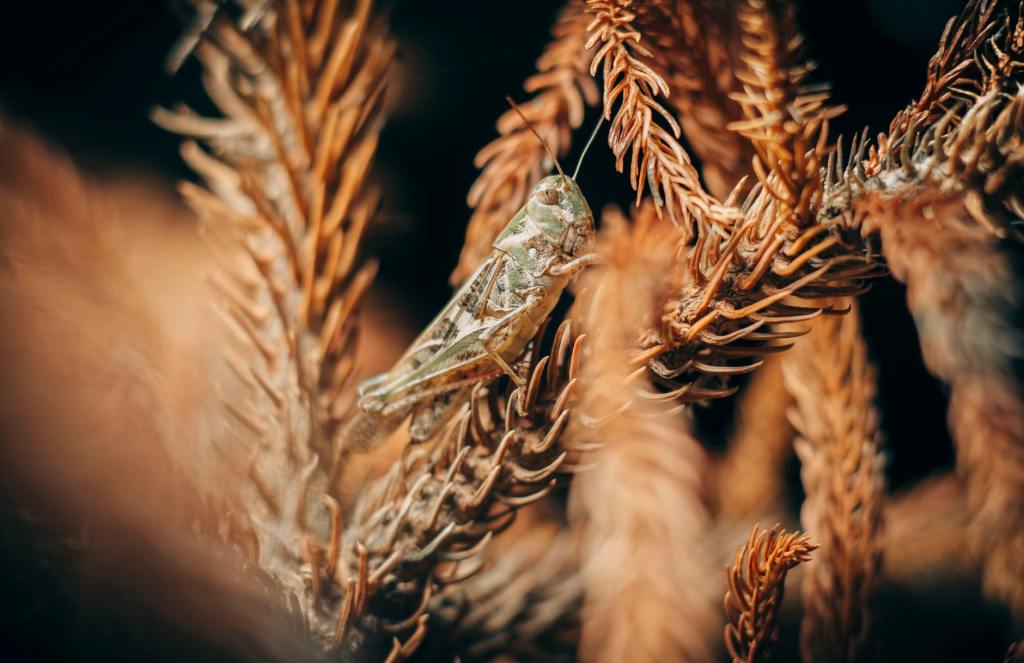
Locusts are not fish (please, bear with me…)
Research by Touré et al. (2026) indicates that increasing millet’s protein content through nitrogen fertiliser application reduces locust damage…
-

The roles of sharp structures in plant survival strategies
The post explores the defensive roles of thorns, spines, and prickles in plants. It discusses research showing that thorns can deter herbivores, their potential aposematic coloration, and the hypothesis that they may inject pathogens into herbivores, thus adding a biological warfare aspect to their defense mechanisms.
-
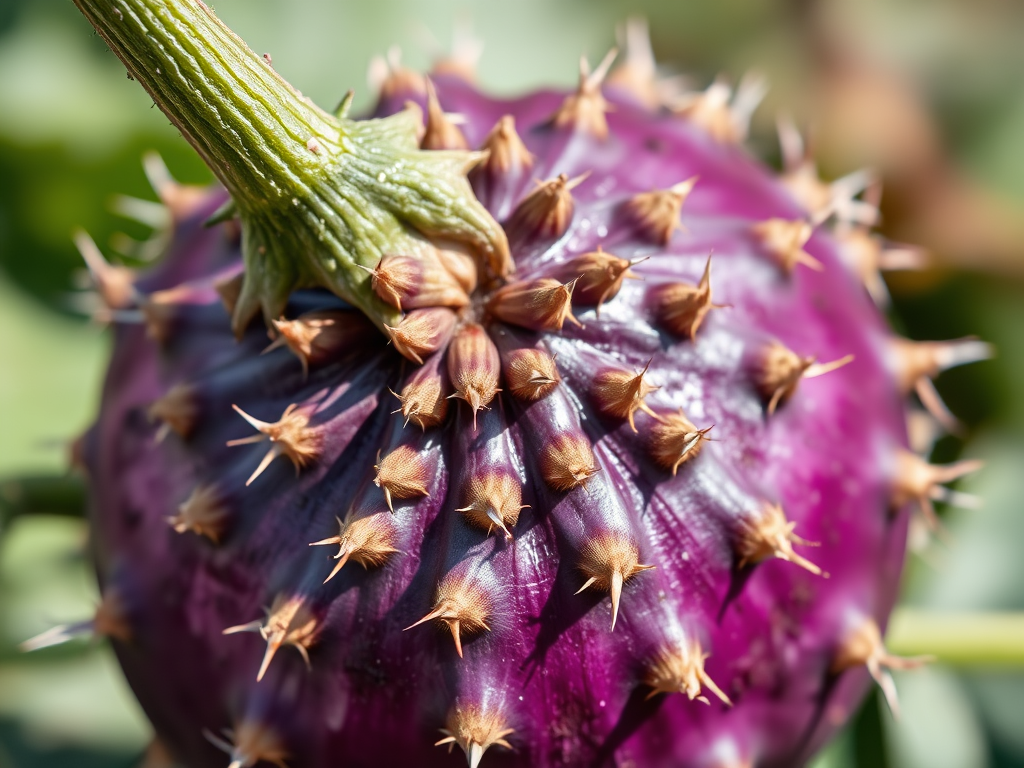
Gene-editing, taking the ouch out of touch
The post provides background on plant defenses against herbivores, focusing on prickles, thorns, and spines. It then looks in detail at work by Satterlee et al. who used CRISPR-Cas9 techniques to create prickle-free variants of aubergine and other Solanum species, potentially transforming agricultural practices and enhancing food safety during harvesting…
 Plant Cuttings