Tag: SciComm
-

Urgent message for humanity: Sea kelp(!)
David Helvarg’s “Forest of the Sea” emphasises the significance of kelp ecosystems and their perilous decline, paralleling the challenges faced by coral reefs. The book interweaves the biology of kelp with human stories and ecological narratives, urging readers to recognise and advocate for the preservation of these vital underwater forests,…
-
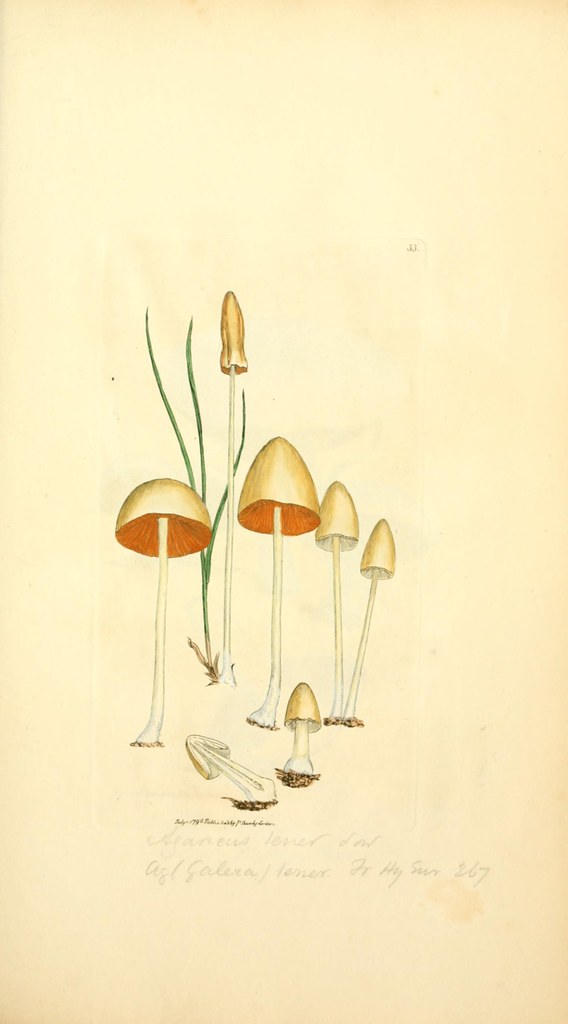
Money, the mushroom fun-guy…
Nicholas Money’s “Fungi and human life” explores the profound connections between fungi and humanity, revealing their essential roles in health, nutrition, and the ecosystem. The book combines engaging storytelling with scientific insights, emphasising the significant, yet often overlooked, impact of fungi on humanity and highlighting their untapped health-helping potential.
-

Setting scicomm standards (Part 2)
The post critiques the usage of “et al.” in science communication, particularly in a Phys.Org article discussing plant research. It emphasises the importance of following established standards for clarity and credibility in scientific writing, advocating for italicised and punctuated usage of “et al.” to maintain integrity in the communication of…
-
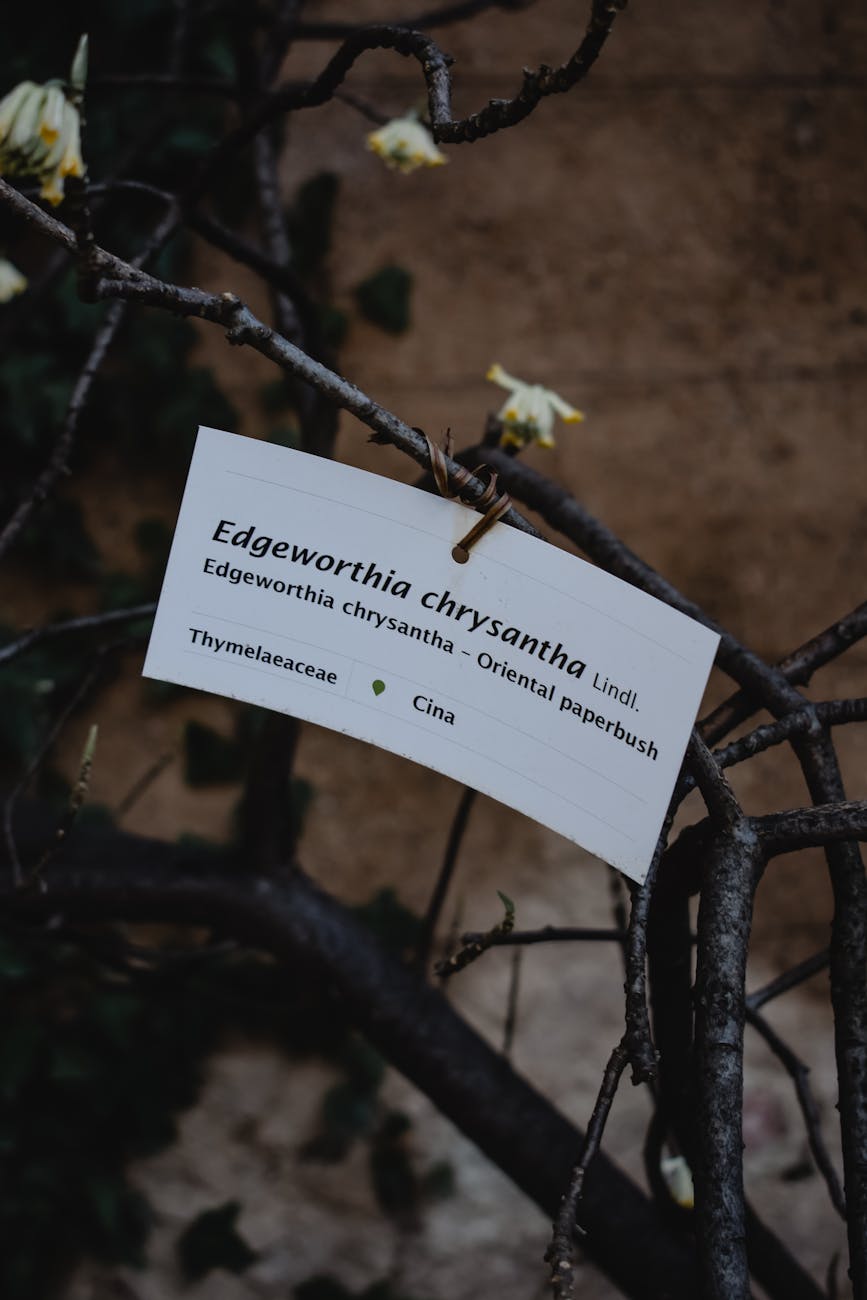
Setting scicomm standards (Part 1)
The post addresses the incorrect presentation of scientific names in science communication, specifically criticising Phys.Org for failing to italicise the name “Picea abies.” This oversight is seen as detrimental to effective science writing. Mr P Cuttings emphasises the importance of adhering to proper conventions to enhance public understanding of science.
-

A deep dive into seaweed structural colour
Investigating the tips of the red seaweed Asparagopsis taxiformis, Hiroshi Kawai & Taizo Motomura identified presence of ‘nanospheres’. The structural colours of blue or white produced by the nanospheres are interpreted as examples of ‘warning colouration’, and ‘camouflage’, respectively.
-

Tomato or potato, which came first?
This post explores the evolutionary and historical relationship between potatoes and tomatoes, both members of the nightshade family. It briefly discusses their introduction to Europe via the Columbian Exchange, and notes contradictory claims about which arrived first. It then considers the pivotal role of tomato in the development of tubers…
-

A sceptical look at plants
Tim Entwisle’s “The sceptical botanist” is a highly readable collection of essays that address plant-related questions. While the book provides engaging insights, it sometimes lacks sufficient evidence for some of its statements. However, overall, it combines entertaining writing with educational value, appealing to both novice and seasoned botanists.
-

Solar eclipses and ‘talking trees’
Researchers found that spruce trees exhibit synchronized bioelectrical responses before and during a solar eclipse, potentially anticipating the event up to 14 hours in advance. Despite concerns over small sample sizes and the media’s sensationalist interpretations, the study suggests deeper ecological communication among trees, emphasizing the preservation of older trees…
-
Plant Cuttings, repotted
Nigel Chaffey, a botanist and former lecturer, launches Plant Cuttings, a site dedicated to increasing botanical literacy through his writings on plants. The site includes blog posts and book reviews, aiming to combat “plant blindness” and foster broader interest in botany.

