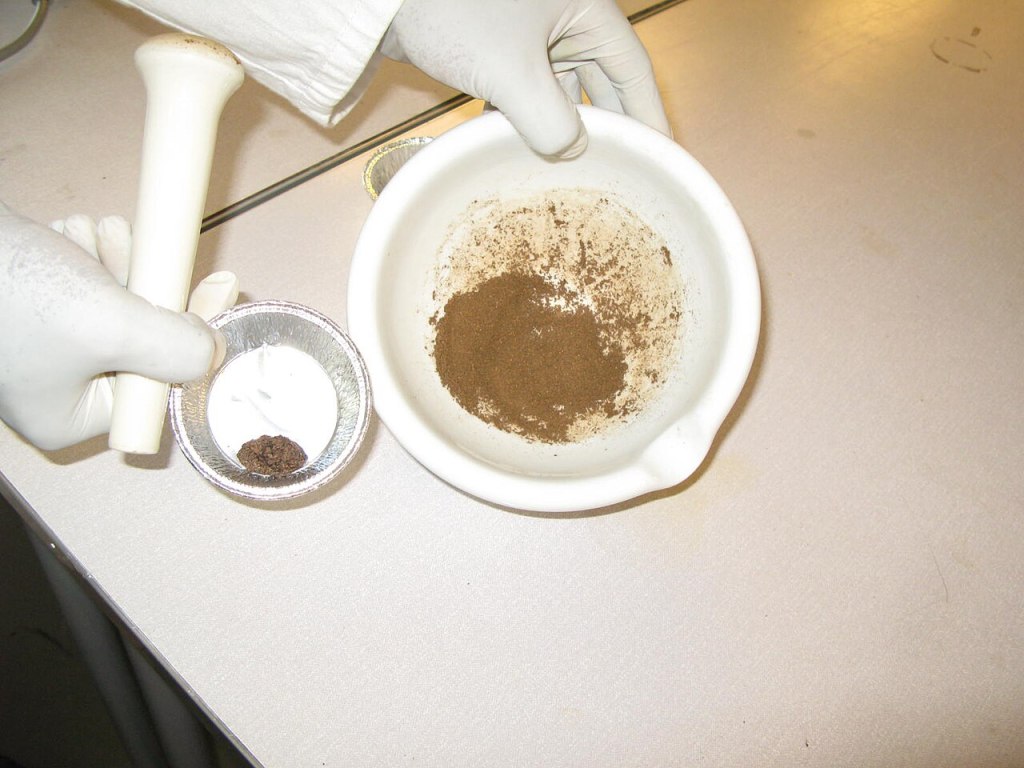
This image, entitled “Testing various parameters of faeces (dry solid content, N, P content)”, by Sustainable Sanitation Alliance is licensed under the Creative Commons Attribution 2.0 Generic license.
There is an argument that, if a medicine doesn’t taste unpleasant then it’s not doing you any good. To disguise any unpleasant taste sugar and other sweeteners may be added. [Ed. – after all, and as the delightful Ms M Poppins advises, “A spoonful of sugar helps the medicine go down” (Ronnie Koenig)]*.
Staying in medicinal mode (and trying to make the unpleasant more palatable…), what is probably the most well-known thing about human faeces? [Ed. – Mr Cuttings would like to apologise to all readers who are eating at this time…] It smells. And not in a nice way (Donavyn Coffey, Chris Zavos). One of the main compounds that contribute to the characteristic – i.e., unpleasant – aroma of human poo is skatole** (3-Methyl-1H-indole) (Chris Zavos). And that is probably fine – if all you are going to do with the waste material is dispose of it. But, what if you think that human excrement might make a useful medicine?
In that case, you’d probably want to do something about the smell [Ed. – especially if part of your livelihood depends upon your patients buying medicine from you…]. And that was the olfactory outcome offered by ancient Roman medics, as revealed by Cenker Atila et al. (2026). Examining the contents of a Roman glass unguentarium, “a small bottle used for ointments, perfumes, balms, and other liquids associated with the toilet”, they detected the “distinctive blend of human fecal biomarkers” (Atila et al., 2026). In other words, this vessel contained human faeces.
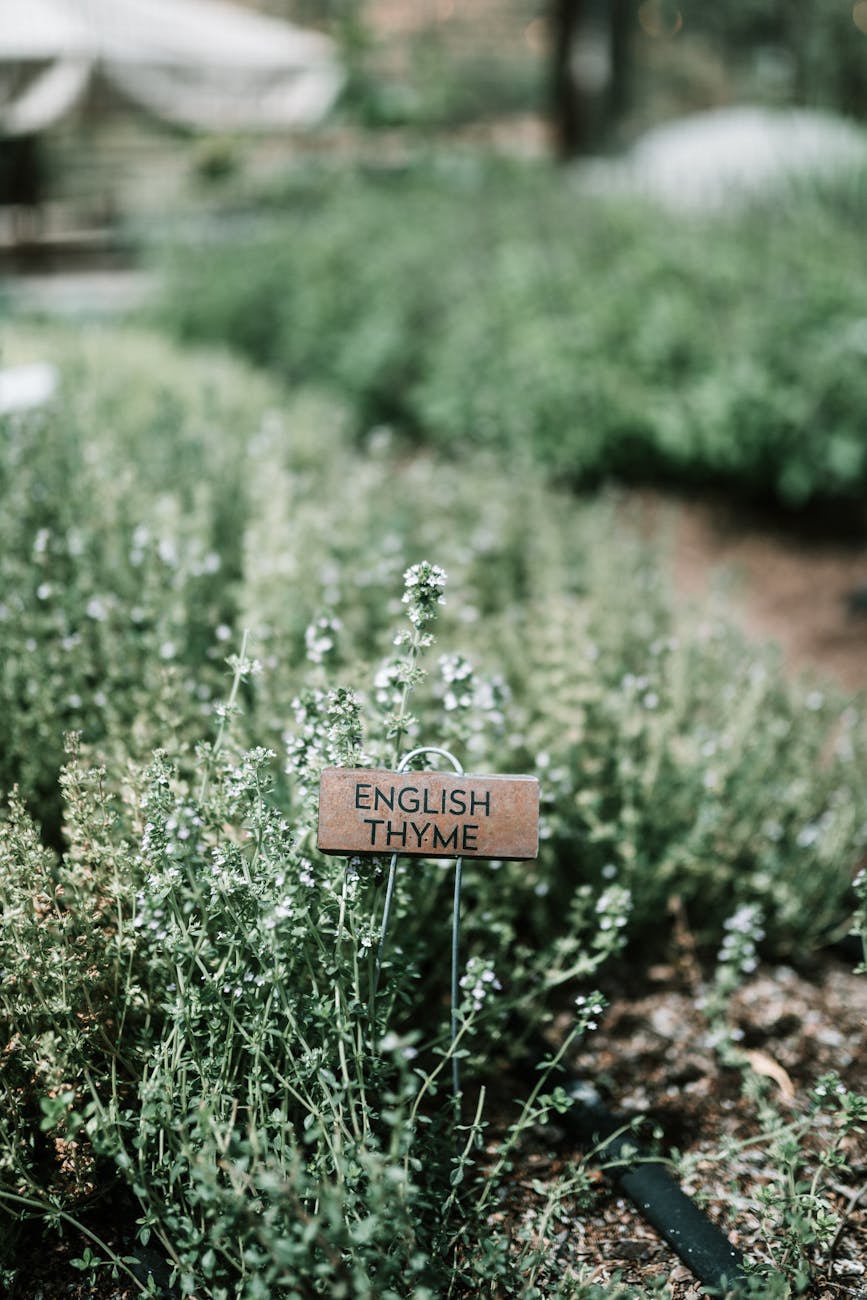
But this wasn’t just a small ‘chamber-pot’ (Sean Hetherington), designed to hold the human waste before it could be disposed of. Rather, the faeces-holding unguentarium, excavated in Pergamon – “a major center of Roman medicine” (Atila et al. (2026) – is inferred to have been used medicinally. In addition to the faecal biomarkers, the vessel’s contents also contained “aromatic compounds such as carvacrol, a major constituent of thyme oil” (Atila et al., 2026). Taken together, “These results align with classical prescriptions that combined dung with odor-masking agents to enhance patient compliance −practices noted in the works of Galen, Dioscorides, and Pliny the Elder” (Atila et al., 2026).
Quite what the ‘medicine’ may have been used for is probably anybody’s guess, but the word for the vessel that held it may give us a clue. An unguentarium presumably was intended to hold an ‘unguent’. An unguent is defined as “a soothing preparation spread on wounds, burns, rashes, abrasions or other topical injuries (i.e. damage to the skin). … It is usually delivered as a semi-solid paste spread on the skin, and it is often oily in order to suspend the medication or other active ingredients” (quoted from here). Which suggests it was used – mercifully – for external application. [Ed. – Mr Cuttings wonders, if this particular unguent is applied to a wound on the fingers or palm, might it be the origin of the phrase ‘to have thyme on one’s hands..?]
For more on this fascinating faecal pharmaceutical finding, see Kristina Killgrove, Soumya Sagar, Sonja Anderson, Guillermo Carvajal, Dario Radley, and here.
* Interestingly, that Disney song was – allegedly – inspired by the real-world practice of dispensing the polio vaccine within or atop a sugar lump (Lochlan DuVal).
** One wonders if that is what’s behind the derivation of the word ‘scat’ used for the faecal excrement of some animals, and ‘scatology’ (definition ‘No. 2’ in this dictionary source)..?
REFERENCE
Cenker Atila et al., 2026. Feces, fragrance and medicine chemical evidence of ancient therapeutics in a Roman unguentarium. Journal of Archaeological Science: Reports 70: 105589; https://doi.org/10.1016/j.jasrep.2026.105589
 Plant Cuttings
Leave a comment