Month: March 2025
-

Shedding light on marine algae…
Dakota McCoy et al. (2024) demonstrate how heart cockles (Corculum cardissa) utilize specialized windows in their shells to focus sunlight onto symbiotic dinoflagellates for photosynthesis. The windows transmit 11–62% of photosynthetically-active radiation while filtering harmful UV rays, suggesting an adaptive advantage for both the molluscs and their symbionts.
-
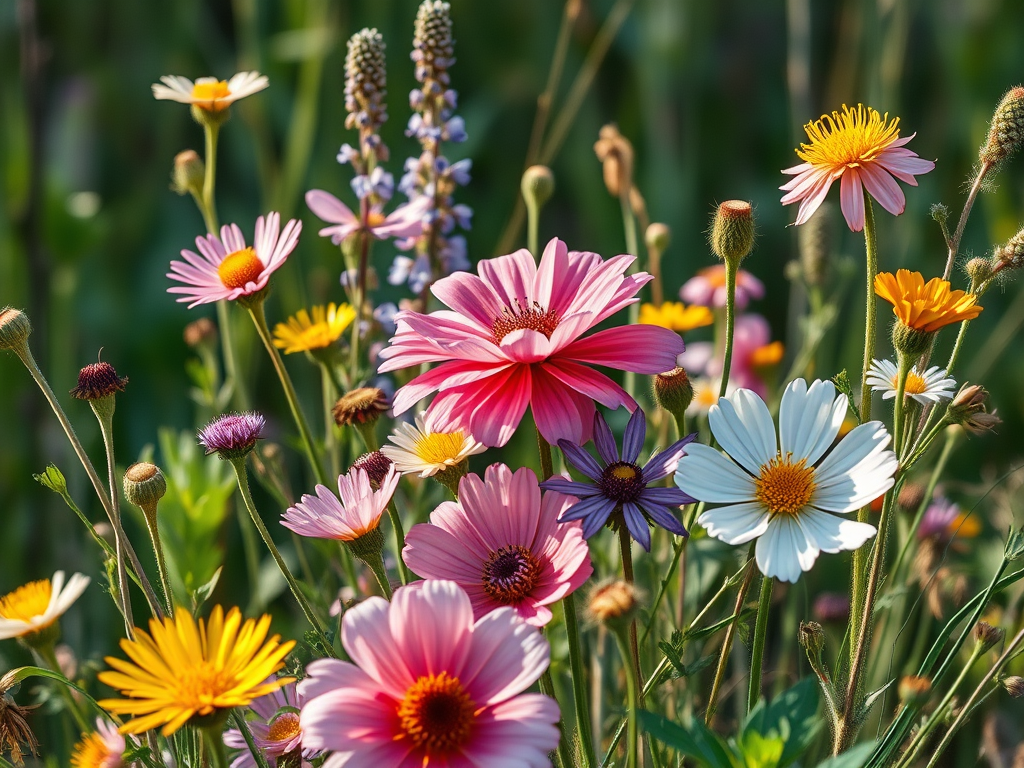
Wildflowers unveiled: Science and secrets behind nature’s beauty
Chris Thorogood’s “Wildflowers” explores the diverse world of wildflower biology, covering topics such as ecology, evolution, and conservation. Suitable for an intelligent, teenager-plus aged audience, the book offers concise chapters with abundant illustrations. While informative, it provides limited sourced facts. Overall, it celebrates the planet’s rich diversity of wild plants.
-

When is a lichen not a lichen?
Chen et al. (2025) introduce a groundbreaking cyanobacterium-fungus symbiosis termed phyllosymbium, challenging traditional lichen concepts. In this unique association, the cyanobacterium envelops the fungus, displaying an unexpected structure. This discovery raises important questions about mutual benefits and interactions, broadening our understanding of symbiotic relationships in nature.
-

The roles of sharp structures in plant survival strategies
The post explores the defensive roles of thorns, spines, and prickles in plants. It discusses research showing that thorns can deter herbivores, their potential aposematic coloration, and the hypothesis that they may inject pathogens into herbivores, thus adding a biological warfare aspect to their defense mechanisms.
 Plant Cuttings