Month: November 2024
-

And these are remarkable trees…
The 2024 edition of Remarkable Trees by Christina Harrison and Tony Kirkham offers an extensive exploration of over 60 significant tree species, incorporating fascinating cultural stories. While it features lush illustrations and thorough entries, it lacks clear sourcing for factual statements and shows minimal updates from the previous edition, raising…
-

These plants really are remarkable…
Remarkable Plants by Helen and William Bynum is a richly illustrated exploration of the complex relationships between plants and people. While this 2023 edition repackages their 2014 text with no major updates, it still offers engaging narratives and facts about significant plants and their cultural impacts (and is £5 cheaper…)..
-

Fungi (and bacteria), living the high life…
Xavier Rodó et al. (2024) discovered fungi and bacteria at altitudes up to 10,000 feet above Chōfu, Japan, indicating long-distance microbial transport from Northeast China. The presence of potential human pathogens raises health concerns, especially regarding multi-drug resistant strains, highlighting risks associated with airborne microorganisms and their environmental impact.
-
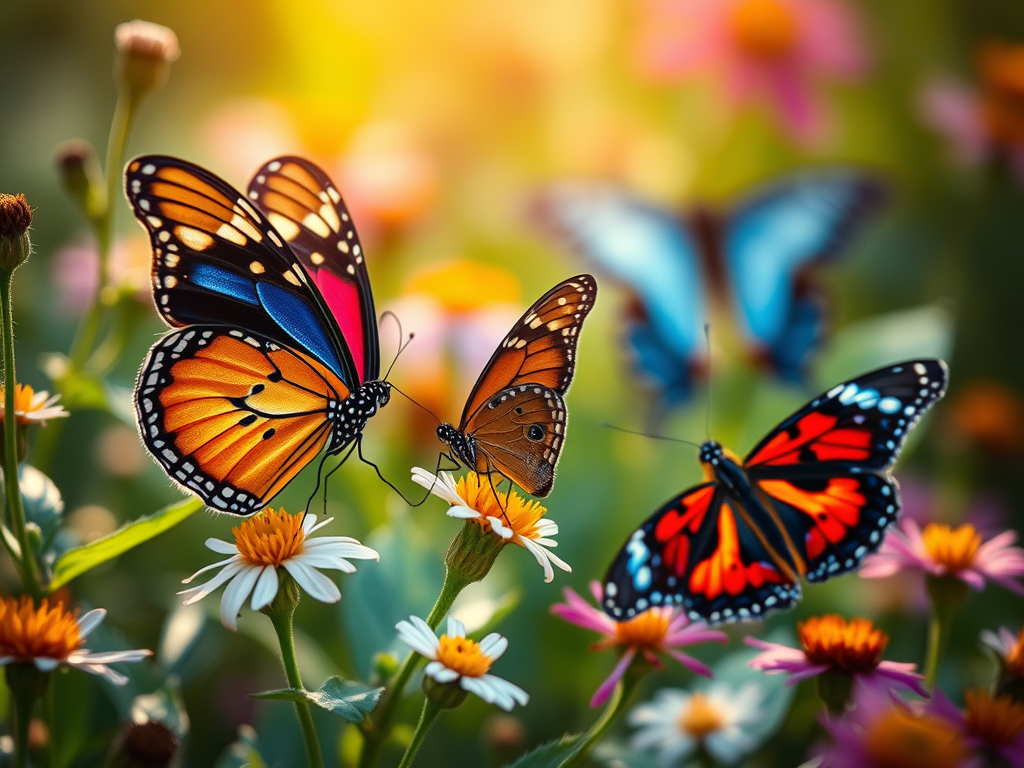
Shocking news about pollen
This post discusses a study by England and Robert (2024) exploring static electricity’s potential role in non-contact pollination by butterflies and moths. Their research suggests that these insects can attract pollen through static charges during flight. However, direct observation of pollen transfer is still needed to confirm this phenomenon’s occurrence…
-
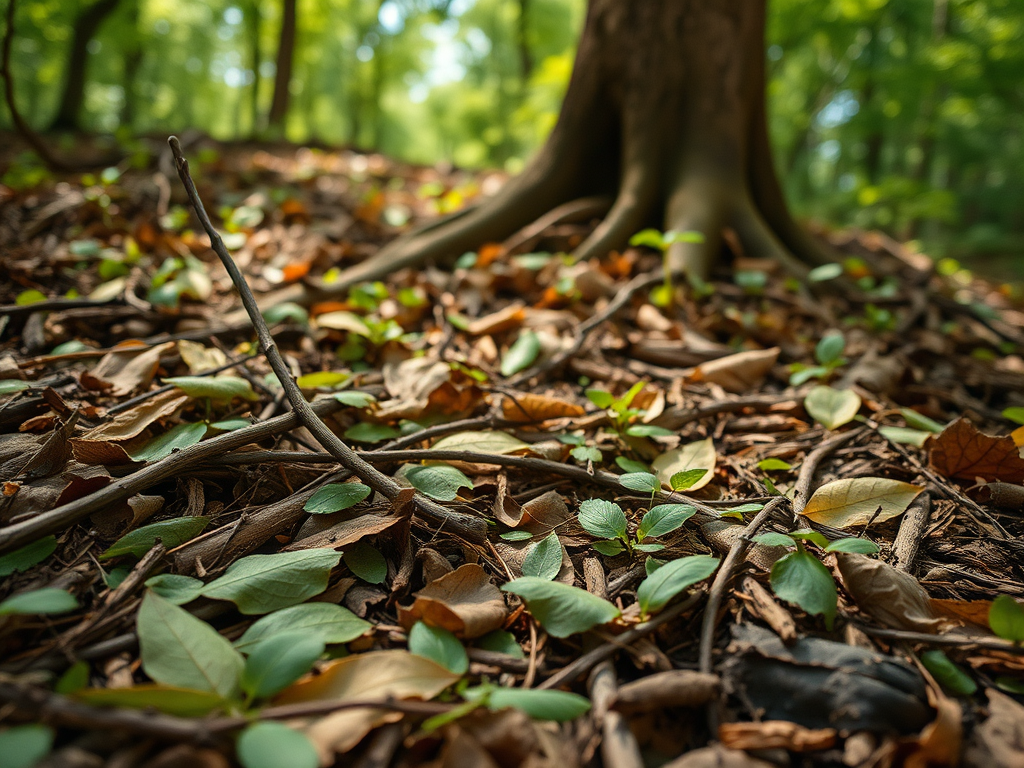
Inverting cellulose-degrading enzymes
The image of a springtail emphasizes the role of soil invertebrates in decomposition,. Traditionally as shredders of organic matter they help fungi and bacteria do their work. Research by Hannah Muelbaier et al. (2024) reveals cellulose-degrading genes in soil invertebrates like springtails and mites, suggesting they may contribute more directly…
 Plant Cuttings